
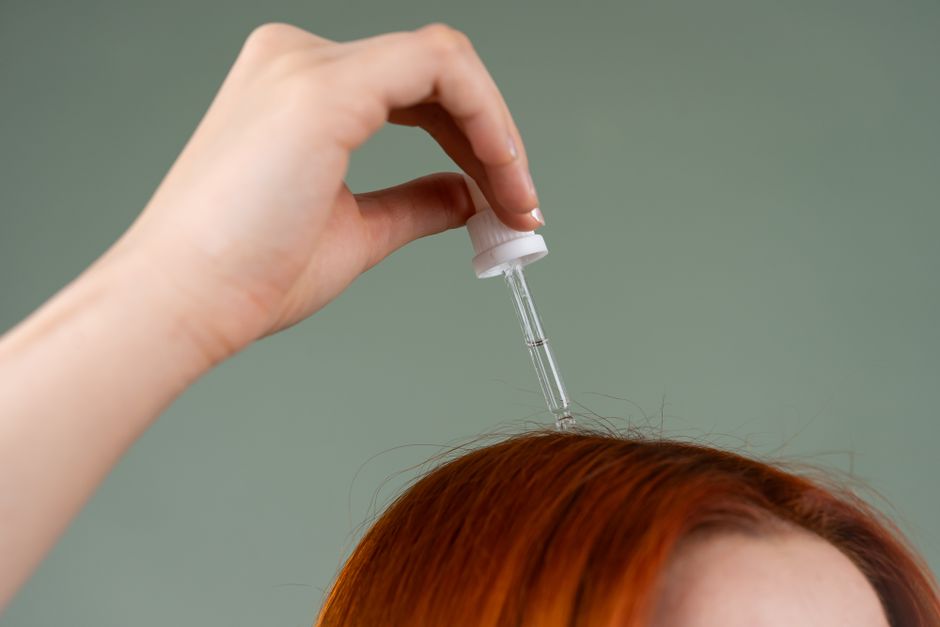
Scalp inflammation usually shows up as redness, flaking, itching, and tender or swollen patches on the skin under your hair. It can look like dandruff, a rash, or small bumps — and it often feels worse than it looks. The tricky part is that several different conditions produce a similar appearance, so what you see is a starting point, not a diagnosis.
Your scalp is skin, just with a lot more hair follicles and oil glands than most other areas. When that skin becomes inflamed, the changes are often visible if you part your hair and look closely in good light. This article explains what inflammation on the scalp tends to look like, what commonly causes it, and when it deserves a doctor’s attention.
What Does Scalp Inflammation Look Like?
The most common visible signs are redness of the skin, flaking or scaling, and patches that look irritated compared to the surrounding scalp. The skin may appear pink or red beneath the hair, and in lighter skin tones that color change is usually easier to spot than in darker skin tones, where inflammation may show up more as darkening, purple-brown tones, or subtle texture changes rather than obvious red.
Other things you might notice:
- Flaking and scaling. White or yellowish flakes that range from fine and powdery to thick and greasy.
- Bumps or pimples. Small raised spots, sometimes with pus, along the hairline or crown.
- Crusting or oozing. Dried yellow or honey-colored crusts, which can suggest a bacterial or fungal component.
- Swelling and tenderness. Areas that feel sore, warm, or painful when touched.
- Hair changes. Thinning or breakage in the affected area when inflammation affects the follicles themselves.
Itching is the symptom people mention most often, but not everyone itches. Some people mainly feel burning, tightness, or soreness. And appearance alone rarely tells you which condition you have — seborrheic dermatitis, psoriasis, and fungal infections can all produce red, flaky patches that look similar at a glance.
How Can You Tell Inflammation Apart From Ordinary Dandruff?
Ordinary dandruff is a mild form of seborrheic dermatitis, so the line between them is blurry by design. Dandruff mainly produces flakes without much redness, swelling, or soreness. Inflammation adds those features: visible skin redness, tenderness, and sometimes thickening or crusting of the skin.
A useful way to think about it: dandruff is a flaking problem, while inflammation is a skin reaction that can include flaking. If your scalp is red, sore, or swollen — not just flaky — that points more toward an inflammatory process than simple dandruff.
One non-obvious point: dandruff and seborrheic dermatitis are not two separate diseases. They sit on the same spectrum, and which label applies mostly reflects how severe and how inflamed the scalp is. That is why the same treatments often work for both.
What Causes Scalp Inflammation?
Several conditions can inflame the scalp, and they are not mutually exclusive. Here are the ones seen most often in clinical practice.
Seborrheic dermatitis
This is the most common cause of a red, flaky, itchy scalp. It tends to affect oily areas — the scalp, eyebrows, sides of the nose, and behind the ears. A yeast called Malassezia that normally lives on the skin is thought to play a role in triggering the reaction, though it is not an infection in the usual sense. Cold, dry weather and stress often make it worse.
Scalp psoriasis
Psoriasis is an immune-mediated condition that speeds up skin cell turnover. On the scalp it produces well-defined red patches with thick, silvery scales that can extend past the hairline onto the forehead, neck, or behind the ears. It often itches and can bleed when scales are picked off. Psoriasis is not contagious.
Fungal infections
A type of fungal infection known as tinea capitis mainly affects children but can occur in adults. It can cause scaly patches, broken hairs, and sometimes swollen, boggy areas. It is contagious and generally requires prescription antifungal treatment taken by mouth, not just a shampoo.
Contact dermatitis
An allergic or irritant reaction to hair dye, shampoo, styling products, or even the metal in hair clips can inflame the scalp. It usually shows up where the product touched the skin, and it can cause redness, itching, and sometimes blistering or oozing.
Folliculitis
This is inflammation of the hair follicles, often from bacteria or fungi. It looks like small red bumps or pimples around hair shafts. It can be triggered by shaving, tight hats, sweating, or blocked follicles.
Other causes
Less common causes include lichen planopilaris and other scarring hair loss conditions, lupus involving the scalp, and reactions to medications. These are uncommon, but they matter because some can cause permanent hair loss if not treated.




When Should You See a Doctor About Scalp Inflammation?
See a doctor if the problem is painful, spreading, oozing, or causing hair loss, or if it has not improved after a few weeks of over-the-counter treatment. Those features suggest something beyond simple dandruff that may need a prescription or a specific diagnosis.
Certain signs deserve attention sooner:
- Patches of hair loss, especially with scarring or shiny skin
- Swelling, warmth, pus, or open sores
- Inflammation that spreads beyond the scalp to the face or neck
- Fever or feeling generally unwell along with the scalp problem
- A scalp rash in a newborn or infant
A doctor can often tell a lot just by looking, sometimes using a dermatoscope — a lighted magnifier — to examine the skin and follicles. If the diagnosis is unclear, a small skin sample (biopsy) may be taken. Because several conditions look alike, getting the right label matters for getting the right treatment.
What Helps Calm an Inflamed Scalp?
Treatment depends entirely on the cause, which is why guessing can waste time. That said, some general approaches are used across several conditions, and a few habits help regardless of the diagnosis.
For seborrheic dermatitis and dandruff, medicated shampoos are the mainstay. Common active ingredients include ketoconazole, zinc pyrithione, selenium sulfide, and coal tar. These are available over the counter in various strengths, and some are prescription-only. They are typically used a few times a week, and rotating products can help prevent the scalp from getting used to one. It is worth reading labels and following directions, since using them too often can dry or irritate the scalp.
For psoriasis, treatment often includes medicated shampoos plus topical steroids or vitamin D-based products, and more severe cases may need other treatments prescribed by a doctor. For fungal infections like tinea capitis, oral antifungal medication is generally required — shampoos alone usually do not clear it. For contact dermatitis, the fix is identifying and avoiding the trigger.
General habits that tend to help:
- Avoid scratching, which can break the skin and lead to infection.
- Wash your hair gently with lukewarm water and a mild shampoo.
- Avoid harsh dyes, tight hairstyles, and heavy styling products during a flare.
- Manage stress where you can — it is a known trigger for several scalp conditions.
Be cautious with any product that promises to “cure” scalp inflammation. No single product treats every cause, and some marketed remedies have little or no clinical evidence behind them.
Does Scalp Inflammation Cause Hair Loss?
It can, but the outcome depends heavily on the cause and how long it goes untreated. Inflammation that affects the hair follicles can interrupt normal hair growth, leading to shedding or thinning. In many cases this is temporary and hair regrows once the inflammation is controlled.
Some conditions are different. Scarring forms of inflammation, such as lichen planopilaris, can destroy follicles permanently, and the hair loss can be irreversible. This is why hair loss along with redness, scaling, or tenderness should be evaluated by a doctor rather than managed at home. Early treatment offers the best chance of preserving hair.
It is also worth knowing that hair loss from inflammation is not the same as common pattern hair loss, which is driven by genetics and hormones rather than an inflamed scalp. The two can occur together, which can make the picture confusing.
Frequently Asked Questions
What does scalp inflammation look like on dark skin?
On darker skin tones, inflammation often appears as darkening, purple-brown patches, or subtle texture changes rather than obvious redness. This can make it harder to spot, so flaking, tenderness, and itching may be the first clues.
Is scalp inflammation the same as dandruff?
No. Dandruff is a mild form of seborrheic dermatitis that mainly causes flaking, while inflammation adds redness, soreness, and swelling. The two are related and sit on the same spectrum, but inflammation suggests a more active skin reaction.
Can scalp inflammation go away on its own?
Mild cases sometimes settle with gentle hair care and time, but many causes — including psoriasis, fungal infections, and scarring conditions — do not resolve without treatment. If it lasts more than a few weeks or causes hair loss, see a doctor.
When should I worry about an inflamed scalp?
Worry if you see spreading redness, pus, open sores, or patches of hair loss, or if the scalp is painful or has not improved with over-the-counter treatment. Those signs point to something that likely needs a medical diagnosis.
