
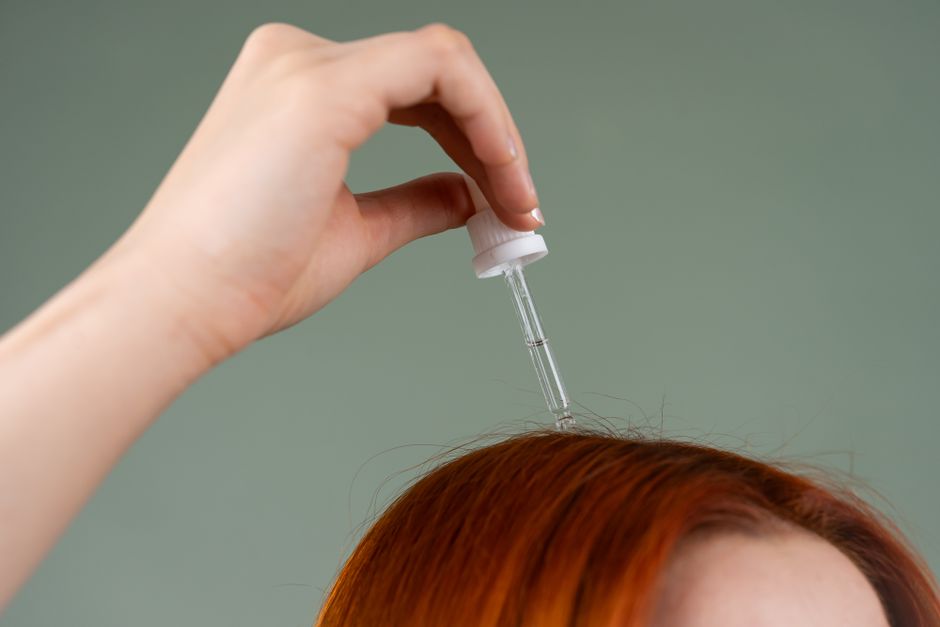
An itchy scalp is one of the most common reasons people ask a pharmacist or dermatologist for help, and in most cases it is treatable. The right treatment depends entirely on the cause, so the first step is figuring out what is driving the itch. Common causes include dandruff, seborrheic dermatitis, head lice, fungal infections, psoriasis, and contact reactions to hair products. Matching the treatment to the cause is what actually stops the itch.
What Causes an Itchy Scalp?
The scalp has a dense network of nerve endings and a rich blood supply, which is why it can itch intensely even when the underlying problem is minor. Several distinct conditions produce that itch, and they do not all respond to the same treatment.
Dandruff and seborrheic dermatitis are the most frequent culprits. Both involve a yeast called Malassezia that lives on almost everyone’s scalp. In some people, the immune system reacts to it, causing flaking, redness, and itch. Seborrheic dermatitis is the more inflamed form and often extends to the eyebrows, sides of the nose, and behind the ears.
Head lice are tiny insects that feed on blood from the scalp. The itch is an allergic reaction to their saliva, which is why it can take weeks to develop after infestation. Fungal infections like tinea capitis cause scaling, itch, and sometimes patches of hair loss, most often in children.
Psoriasis produces thick, silvery scales and well-defined red patches that can itch significantly. Contact dermatitis is a reaction to something applied to the scalp, such as hair dye, shampoo fragrance, or a styling product. Dry scalp from cold weather or overwashing is often blamed, though true dry scalp without any of the above is less common than people assume.
Less commonly, an itchy scalp can reflect an underlying health issue such as iron deficiency, thyroid problems, or, rarely, a nerve-related condition. When the itch does not respond to standard treatment, that possibility deserves a medical look.
How To Cure Itchy Scalp? Causes And Treatments That Actually Work
There is no single cure for an itchy scalp because the cause determines the treatment. What works for dandruff will not fix lice, and what works for lice will not touch psoriasis. The most effective approach is to identify the cause and treat it directly.
For dandruff and seborrheic dermatitis, medicated shampoos are the mainstay. The active ingredients fall into a few groups:
- Zinc pyrithione — reduces the Malassezia yeast and slows skin cell turnover
- Ketoconazole — a prescription-strength antifungal available over the counter in some countries
- Selenium sulfide — slows yeast growth and reduces flaking
- Coal tar — reduces inflammation and scaling, useful for psoriasis as well
- Salicylic acid — helps lift scales so other ingredients can reach the skin
These shampoos generally need to be used two to three times a week initially, left on the scalp for several minutes before rinsing, and then tapered to once a week or as needed for maintenance. Results usually appear within a few weeks, though seborrheic dermatitis tends to be a long-term condition that requires ongoing management rather than a one-time cure.
For head lice, treatment requires pediculicide products or fine-tooth combing, and treatment should follow current public health guidance for the specific product. For fungal scalp infections, oral antifungal medication prescribed by a doctor is usually necessary because topical treatments rarely reach the hair follicle. For psoriasis, treatment may include medicated shampoos, topical corticosteroids, or prescription therapies.
If you have tried an appropriate over-the-counter treatment for several weeks without improvement, or if you have hair loss, open sores, or severe redness, see a doctor. Self-treating the wrong condition can delay the correct diagnosis.
Is Dandruff the Same as a Dry Scalp?
No, and the difference matters because the treatments are opposite in some ways. Dandruff is caused by a yeast and an inflammatory response, producing flakes that are often yellowish or greasy and tend to stick to the scalp and hair. Dry scalp produces smaller, whiter flakes that fall off more easily and is often accompanied by dryness elsewhere on the body.
People with dandruff often assume they have a dry scalp and respond by washing less, which can make dandruff worse because oil and yeast build up. People with a genuinely dry scalp who use harsh antidandruff shampoos may find their scalp becomes more irritated.
If your flakes are greasy, yellow, and accompanied by redness or itching that worsens with stress or cold weather, dandruff or seborrheic dermatitis is more likely. If your scalp feels tight and the flakes are small and dry, a gentle moisturizing approach may help more. A dermatologist can usually tell the difference on examination.





Can Lifestyle Changes Stop the Itch?
Lifestyle changes can reduce triggers but rarely cure an itchy scalp on their own. They work best alongside appropriate treatment.
Managing stress may help because stress is a well-recognized trigger for seborrheic dermatitis and psoriasis flare-ups. Getting enough sleep and eating a balanced diet support general skin health, though no specific diet has been proven to cure dandruff.
Avoiding harsh hair products, frequent dyeing, and tight hairstyles that pull on the scalp can reduce irritation. If you suspect a product is the trigger, stopping it for a few weeks is a reasonable test. Washing your hair regularly with a gentle shampoo removes oil and dead skin that feed the yeast involved in dandruff.
One point worth clarifying: dandruff is not caused by poor hygiene. The yeast that drives it lives on nearly everyone’s scalp, and how the immune system responds varies from person to person. Washing more often can help control it, but not washing was never the cause.
When Should You See a Doctor?
See a doctor if the itch is severe, persistent, or comes with signs that suggest something more than simple dandruff. Warning signs include patches of hair loss, broken skin, oozing, crusting, or swelling. These can point to a fungal infection, psoriasis, or another condition that needs prescription treatment.
You should also seek medical advice if over-the-counter shampoos have not helped after several weeks of consistent use, if the itch is spreading beyond the scalp, or if you have a weakened immune system. In children, persistent scaling and hair loss should be evaluated because tinea capitis is common in that age group and requires oral treatment.
An itchy scalp is rarely dangerous, but it can be a sign of a condition that will not improve without the right diagnosis. A doctor or dermatologist can usually identify the cause by examining the scalp and, when needed, taking a small sample for testing.
What Makes an Itchy Scalp Worse?
Several everyday habits can intensify an itchy scalp or interfere with treatment. Scratching is the most obvious. It damages the skin barrier, which triggers more inflammation and more itch, creating a cycle that is hard to break.
Hot water and frequent washing with harsh shampoos strip oils and irritate the scalp. So can heavy styling products, which trap oil and yeast against the skin. Switching to a gentler routine often reduces irritation even when it does not address the root cause.
Some people find that certain foods, alcohol, or cold, dry weather worsen their symptoms, though the evidence for specific dietary triggers is limited. If you notice a clear pattern, it is reasonable to adjust, but do not expect diet alone to resolve a condition that needs medicated treatment.
Frequently Asked Questions
How do I cure an itchy scalp fast?
The fastest relief comes from treating the specific cause, such as using an antifungal shampoo for dandruff or a pediculicide for lice. There is no single product that works for every cause, so matching treatment to cause is what speeds relief.
Can an itchy scalp be cured permanently?
Some causes, like head lice or a fungal infection, can be cured completely with appropriate treatment. Others, such as seborrheic dermatitis and psoriasis, are long-term conditions that can be controlled but not permanently eliminated.
Does apple cider vinegar cure an itchy scalp?
No clinical evidence confirms that apple cider vinegar cures an itchy scalp. It may help loosen scales for some people, but it is not a proven treatment and can irritate sensitive skin.
When should I worry about an itchy scalp?
See a doctor if you have hair loss, sores, oozing, or swelling, or if over-the-counter treatments have not helped after several weeks. These signs suggest a condition that needs a proper diagnosis and prescription treatment.
