
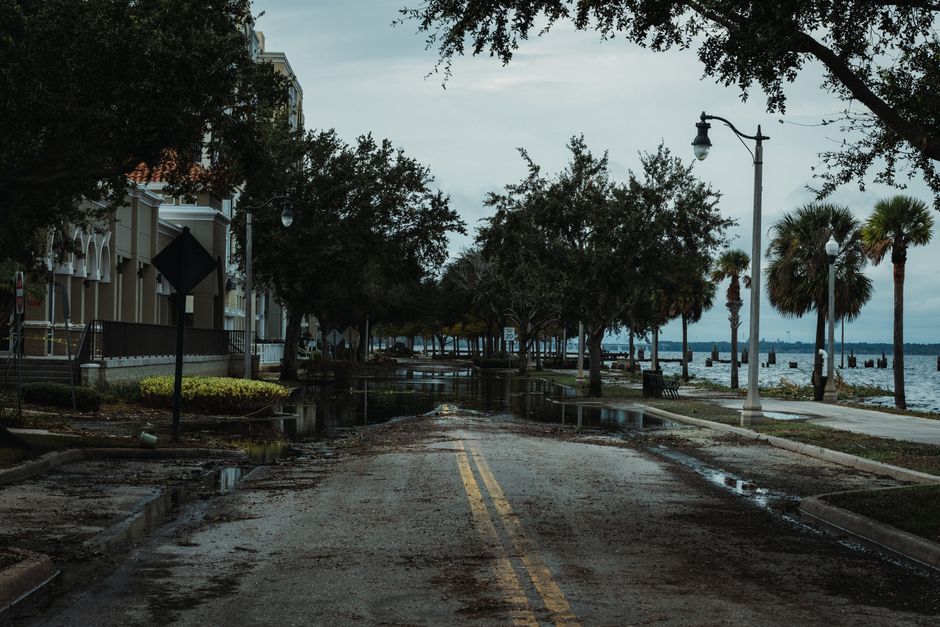
Runoff is the water that flows over land instead of soaking into the ground. It happens when rain or melting snow hits the ground faster than the soil can absorb it. This water then travels downhill, picking up whatever is in its path, and eventually ends up in streams, rivers, lakes, and oceans. The key facts are that runoff is a primary cause of urban flooding, a major driver of soil erosion, and the main pathway for pollution to enter our waterways.
How Does Runoff Cause Flooding?
Flooding from runoff happens when the ground cannot absorb water quickly enough. In natural areas like forests and grasslands, soil acts like a sponge. It soaks up rainwater and releases it slowly. This slows down the flow of water and reduces the risk of flash floods.
Urban areas are different. Roads, parking lots, rooftops, and sidewalks are hard, impermeable surfaces. Rain cannot soak through them. Instead, the water moves rapidly across these surfaces and collects in storm drains. This fast-moving water can overwhelm drainage systems, causing streets to flood quickly. This is why a short, intense storm can cause severe flooding in a city, even when a nearby rural area stays dry.
The problem is made worse by how much land is covered. When a forest or field is replaced with houses and pavement, the amount of runoff increases dramatically. Some research suggests that a single acre of pavement can generate many times more runoff than an acre of natural grassland. This extra water has nowhere to go except into the nearest stream or storm drain, which raises water levels and increases flood risk downstream.
What Role Does Runoff Play in Erosion?
Runoff is one of the most powerful forces of erosion on Earth. As water flows over the ground, it picks up soil particles and carries them away. This is a natural process, but human activity accelerates it.
Bare soil is the most vulnerable. Construction sites, farm fields left without cover, and areas cleared of vegetation are easily eroded by runoff. The water cuts small channels called rills, which can grow into larger gullies over time. This strips away the topsoil, which is the most nutrient-rich layer of the ground. Farmers lose valuable soil, and the sediment ends up in rivers and lakes.
The damage is not just about losing dirt. Sediment carried by runoff can clog waterways, fill up reservoirs, and destroy fish habitats. When sediment settles, it can smother the gravel beds where fish like salmon lay their eggs. It also makes the water murky, which blocks sunlight and harms aquatic plants. Erosion from runoff is a serious environmental problem that affects both land and water.
Stream banks are also affected. When heavy runoff enters a stream, the water flows faster and with more force. This erodes the banks, causing them to collapse. Over time, a small stream can become wider, shallower, and muddier. The loss of streamside vegetation makes the banks even more unstable, creating a cycle of erosion that is hard to break.
What Does Runoff Do Flooding Erosion Pollution: How Does Pollution Spread?
Runoff is the main way pollutants enter our waterways. As water flows across the land, it collects everything in its path. This includes chemicals, trash, and biological waste. The contamination is often called polluted runoff or nonpoint source pollution because it comes from many different places rather than a single pipe.
The list of pollutants in runoff is long. In cities, runoff picks up motor oil, heavy metals from car brakes, and antifreeze that has leaked onto roads. It also carries lawn fertilizers, pesticides, and herbicides from residential yards. Pet waste is another major contributor. When it rains, these contaminants are washed directly into storm drains, which often empty straight into rivers and lakes without any treatment.
In agricultural areas, the problem is different but just as serious. Runoff from farm fields carries fertilizers, manure, and soil. The fertilizers contain nitrogen and phosphorus. When these nutrients enter lakes and rivers, they cause algae to grow out of control. This process is called eutrophication. When the algae die and decompose, they use up oxygen in the water. This can create dead zones where fish and other aquatic life cannot survive.
Runoff also affects drinking water. Communities that draw their water from rivers or lakes may need expensive treatment to remove pollutants that came from runoff upstream. In some cases, harmful algal blooms produce toxins that make the water unsafe to drink. The cost of treating this water is often passed on to consumers.





What Are the Main Sources of Runoff Pollution?
Understanding the sources of runoff pollution helps explain why it is so hard to control. The sources are everywhere, and they are part of everyday life.
- Urban areas: Oil, grease, metals, and chemicals from roads and parking lots. Trash and litter also wash into drains.
- Residential areas: Fertilizers, pesticides, pet waste, and soap from washing cars in driveways.
- Agriculture: Manure, fertilizers, and sediment from farm fields. Animal waste from concentrated feeding operations.
- Construction sites: Loose soil, cement washout, and chemicals from building materials.
- Septic systems: Failing or poorly maintained systems can leak bacteria and nutrients into groundwater and nearby streams.
Each of these sources may seem small on its own. But when millions of people and thousands of businesses contribute, the combined effect is massive. This is why polluted runoff is considered one of the biggest threats to water quality in the United States.
How Can Runoff Be Managed and Reduced?
There are proven ways to reduce the damage caused by runoff. The strategies fall into two main categories: slowing the water down and keeping pollutants from being picked up in the first place.
Slowing water down is the core principle of green infrastructure. Rain gardens are shallow, planted areas designed to capture runoff and let it soak into the ground. Permeable pavement allows water to pass through it instead of running off the surface. Green roofs absorb rainwater on top of buildings. These methods mimic natural processes and reduce the volume and speed of runoff.
Keeping pollutants out of runoff is equally important. This means using fertilizers and pesticides only when needed and in the right amounts. It means fixing oil leaks in cars and disposing of motor oil properly. It means picking up pet waste and putting it in the trash. On farms, practices like planting cover crops and leaving buffer strips of vegetation along streams can significantly reduce the amount of soil and chemicals that reach the water.
Some communities have built large stormwater retention ponds. These ponds collect runoff and hold it until the water can slowly infiltrate the ground or be released at a controlled rate. This reduces flooding downstream and allows some pollutants to settle out. However, retention ponds require regular maintenance to keep working effectively.
Individual actions matter, but so do community-level decisions. When a city invests in green infrastructure or when a county enforces stricter rules for construction sites, the benefits are felt across the whole watershed. Managing runoff is not just a personal responsibility; it is a public one.
What Is the Difference Between Runoff and Infiltration?
Runoff and infiltration are opposite processes. Infiltration is water soaking into the ground. Runoff is water flowing over it. The balance between the two determines how much water enters streams and how much recharges groundwater.
Several factors control this balance. Soil type matters. Sandy soil drains quickly, so it produces less runoff. Clay soil absorbs water slowly, so it produces more runoff. The slope of the land matters too. Steep slopes shed water quickly, while flat areas allow more time for infiltration. The amount of vegetation also plays a role. Plant roots create channels in the soil that help water soak in. A dense root system can absorb a surprising amount of rainfall.
The importance of infiltration goes beyond flood control. When water infiltrates, it refills underground aquifers. These aquifers supply drinking water for many communities and maintain the base flow of rivers during dry periods. When we cover land with pavement and buildings, we reduce infiltration and increase runoff. This not only raises flood risk but also depletes groundwater supplies.
Frequently Asked Questions
What is the biggest source of runoff pollution?
Agriculture is the largest source of runoff pollution in the United States, mainly from fertilizers, manure, and eroded soil. Urban runoff is also a major contributor, especially for oil, metals, and chemicals.
How does runoff affect drinking water?
Runoff carries pollutants into rivers, lakes, and reservoirs that supply drinking water. Communities may need additional treatment to remove these contaminants, and in severe cases, harmful algal blooms can make water unsafe to drink.
Can rain gardens really help reduce flooding?
Yes. Rain gardens capture runoff and allow it to soak into the ground instead of flowing into storm drains. They are most effective when used across a neighborhood, not just at one house.
Does all runoff end up in rivers and oceans?
Most runoff eventually reaches a waterway, but some soaks into the ground or evaporates along the way. In urban areas, storm drains route runoff directly to the nearest stream or river.
