
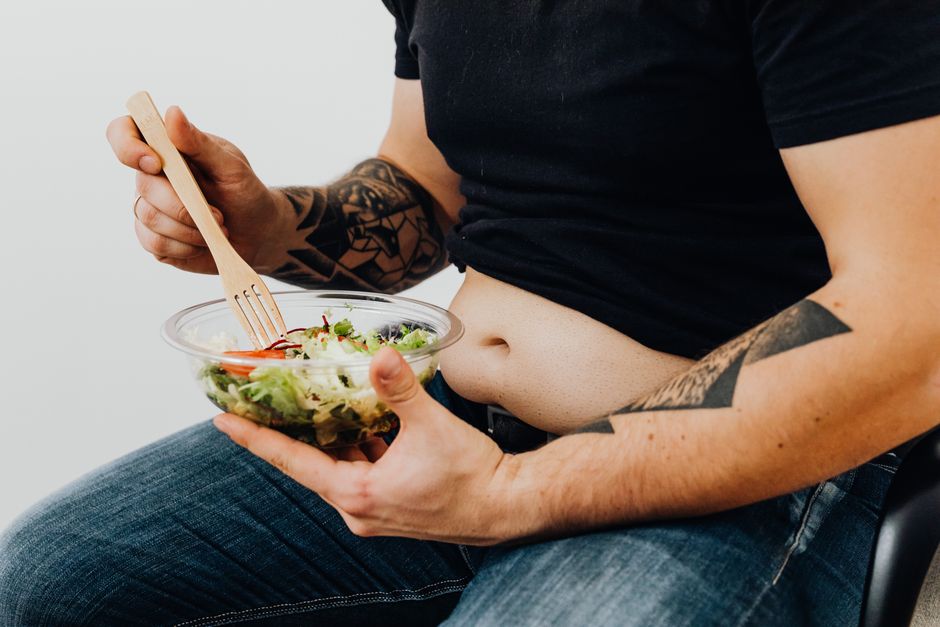
Protein does not target belly fat specifically, but it plays a major role in how your body manages fat overall. Eating enough protein helps preserve muscle mass during weight loss, increases feelings of fullness, and requires more energy to digest than carbohydrates or fats. These effects can help you eat fewer calories overall, which is what actually reduces belly fat over time.
Does Protein Directly Burn Belly Fat?
No food or nutrient burns fat from one specific area of the body. Spot reduction is a myth. When you lose weight, your body decides where fat comes off based on genetics, hormones, and sex. Some people lose belly fat early in a diet. Others lose it last. Protein cannot override that pattern.
What protein does do is support the conditions that make fat loss possible. It helps you feel full, preserves muscle, and slightly increases the number of calories you burn each day. Those factors matter more than any specific food choice.
How Protein Affects Your Appetite and Fullness
Protein is the most satiating macronutrient. That means it reduces hunger more effectively than carbohydrates or fat. This effect is not subtle. Multiple studies have shown that people who eat higher-protein meals report feeling fuller and eat fewer calories at their next meal.
The mechanism involves several hormones. Protein increases levels of GLP-1 and peptide YY, both of which signal fullness to your brain. It also reduces ghrelin, the hormone that stimulates hunger. The practical result is simple: if you feel full sooner and stay full longer, you naturally eat less.
This matters for belly fat because belly fat is strongly linked to overall calorie balance. You cannot reduce belly fat while consuming more calories than you burn. Protein makes the calorie deficit easier to maintain without constant hunger.
Protein, Muscle Mass, and Metabolic Rate
Muscle tissue burns more calories at rest than fat tissue does. When you lose weight, especially quickly, you lose both fat and muscle. Losing muscle lowers your resting metabolic rate, which means you burn fewer calories each day. That makes continued weight loss harder.
Adequate protein intake helps preserve muscle during weight loss. Studies consistently show that higher-protein diets result in less muscle loss compared to lower-protein diets with the same calorie intake. More muscle means a higher metabolic rate, which supports ongoing fat loss.
This is particularly relevant for adults over 40. Muscle mass naturally declines with age. If you are trying to lose belly fat in your 40s or 50s, protecting muscle becomes even more important. Protein provides the building blocks your body needs to maintain that tissue.





What Does Protien Do to Human Belly Fat Through Digestion
Protein requires more energy to digest than other nutrients. This is called the thermic effect of food. Your body burns roughly 20 to 30 percent of the calories from protein just digesting and processing it. For carbohydrates, that figure is around 5 to 10 percent. For fat, it is about 0 to 3 percent.
This means if you eat 100 calories of protein, your body uses about 20 to 30 of those calories just to break it down. The effect is real but modest. It does not replace exercise or calorie control, but it does give protein a slight metabolic advantage.
Protein also requires more work from your digestive system. It takes longer to leave the stomach than carbohydrates, which is one reason it keeps you full longer. This slower digestion is part of why protein-rich meals reduce snacking between meals.
Visceral Fat and the Type of Protein You Eat
Belly fat is not all the same. Subcutaneous fat sits just under the skin. Visceral fat surrounds your internal organs and is the type most strongly linked to heart disease, type 2 diabetes, and other metabolic problems. Visceral fat is more metabolically active and responds differently to diet than subcutaneous fat.
Research suggests that higher protein intake is associated with less visceral fat accumulation over time. This is likely because protein supports muscle mass and metabolic health rather than because protein directly targets visceral fat cells. The relationship is indirect but meaningful.
The source of protein matters for overall health. Lean poultry, fish, eggs, dairy, legumes, and plant proteins like tofu and tempeh provide protein without excess saturated fat. Processed meats like bacon and sausage are also high in protein but carry added sodium and preservatives that may increase health risks. For belly fat specifically, the total amount of protein and overall calorie balance matter more than the specific source.
How Much Protein Do You Actually Need?
The standard recommendation for healthy adults is 0.8 grams of protein per kilogram of body weight per day. That works out to roughly 0.36 grams per pound. For a 180-pound person, that is about 65 grams daily. This amount prevents deficiency but is not optimal for weight loss or muscle preservation.
For people actively trying to lose weight, research suggests higher intake is beneficial. Many experts recommend 1.2 to 1.6 grams per kilogram of body weight daily during weight loss. For a 180-pound person, that is roughly 98 to 130 grams per day. This range helps preserve muscle while in a calorie deficit.
These figures come from established nutritional guidelines and clinical research. Individual needs vary based on age, activity level, and health status. People with kidney disease should talk to their doctor before increasing protein intake, as their bodies process protein differently.
Practical Ways to Add More Protein
Spreading protein across meals works better than eating it all at once. Your body does not store excess amino acids the way it stores fat. Eating 25 to 35 grams of protein per meal helps maintain muscle and control appetite throughout the day.
Simple swaps make a real difference. Greek yogurt instead of regular yogurt adds protein. Eggs at breakfast instead of cereal or toast. Chicken breast or fish instead of pasta at dinner. Beans or lentils added to soups and salads. These changes do not require elaborate meal planning.
Protein shakes and powders can help, but they are not necessary. Whole food sources provide protein along with other nutrients your body needs. If you do use supplements, treat them as a convenience rather than a requirement.
The Bottom Line on Protein and Belly Fat
Protein does not melt belly fat. No food does. But protein is one of the most reliable tools for creating the conditions where belly fat loss can happen. It reduces hunger, preserves muscle, and slightly increases calorie burn. Those three effects together make a calorie deficit more sustainable.
The evidence is clear that higher protein intake supports weight loss and body composition changes. The evidence is equally clear that you still need a calorie deficit to lose fat. Protein makes that deficit easier to maintain, but it does not replace the need for one.
If you are trying to reduce belly fat, focus on getting enough protein, maintaining a modest calorie deficit, and including strength training in your routine. Protein supports the process. The process still requires consistency.
Frequently Asked Questions
Can eating more protein reduce belly fat without exercise?
Protein can help you eat fewer calories and preserve muscle, which supports fat loss, but a calorie deficit is still required. Exercise is not strictly necessary for weight loss, but it helps preserve muscle and improves overall health.
How much protein should I eat daily to lose belly fat?
Research suggests 1.2 to 1.6 grams per kilogram of body weight per day during weight loss. For a 180-pound person, that is about 98 to 130 grams daily.
Is a high-protein diet safe for everyone?
Most healthy adults tolerate higher protein intake well, but people with kidney disease should consult a doctor first. If you have an existing health condition, check with your healthcare provider before making major dietary changes.
Does protein powder work as well as whole food protein?
Protein powder can help you reach your daily protein target, but whole foods provide additional nutrients like iron, zinc, and B vitamins. Use powder as a supplement, not a replacement for balanced meals.
