
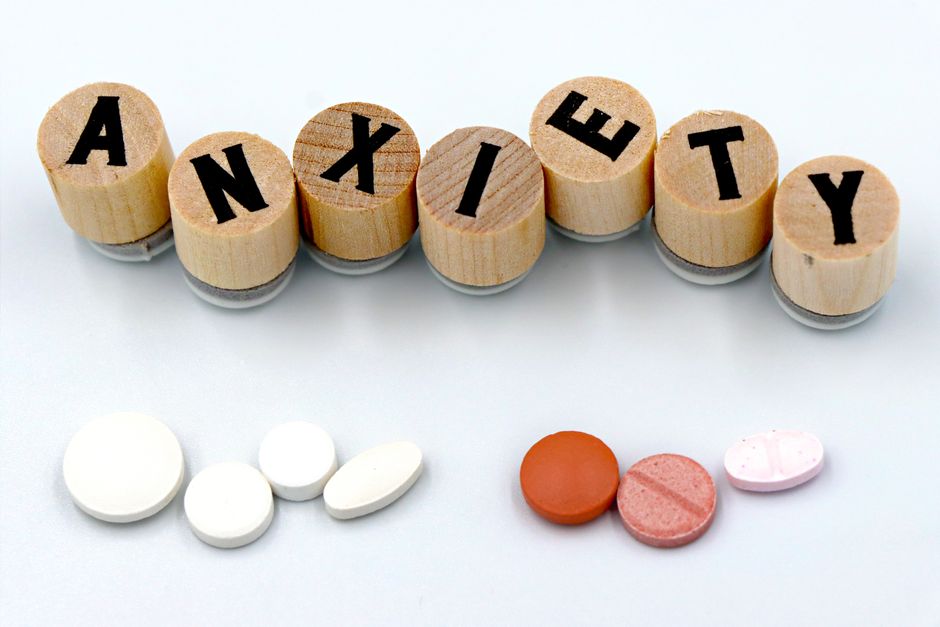
Propranolol is a blood pressure medicine that also blocks some of the physical symptoms of anxiety. It belongs to a group of drugs called beta-blockers. These drugs slow your heart rate and reduce the force of each heartbeat. They also lower blood pressure. For someone facing a speech, an exam, or a panic-provoking situation, that physical calming effect can make anxiety feel more manageable. It does not treat the worry itself. It treats the body’s response to worry.
What Does Propranolol Do For Anxiety Symptoms?
Propranolol blocks beta-adrenergic receptors throughout the body. These receptors normally respond to adrenaline and noradrenaline, the hormones your body releases during stress. When propranolol blocks them, the heart beats more slowly and with less force. Blood vessels relax. Tremor in the hands often decreases. Sweating may lessen.
These are the symptoms many people find most distressing during anxiety. A racing heart, shaky hands, a quivering voice, sweating through a shirt before a presentation. Propranolol targets those specific physical expressions of the stress response.
The mental experience of anxiety is different. Racing thoughts, dread, worry about the future, the feeling that something bad is about to happen. Propranolol does not act directly on those. It crosses into the brain, and some researchers think it may blunt the emotional intensity of fear memories, but that research is still developing. The established effect is on the body, not the mind.
How quickly does it work?
Propranolol takes effect within about 30 to 60 minutes after you swallow a dose. Peak blood levels occur roughly 1 to 2 hours later. This is why people often take it shortly before a stressful event rather than on a daily schedule.
Is Propranolol Approved To Treat Anxiety?
No. Propranolol is not FDA-approved for anxiety. It is approved for high blood pressure, chest pain, irregular heart rhythms, migraine prevention, essential tremor, and other conditions. Using it for anxiety is what doctors call off-label prescribing.
Off-label use is legal and common. It means a doctor is prescribing a drug for a purpose not listed on the official label. Many medications are used this way when evidence supports it. For propranolol and anxiety, the evidence is moderate but not definitive. Some studies suggest it helps with performance anxiety specifically. The research on generalized anxiety disorder is less consistent.
This distinction matters. If you search for propranolol online, you will find confident claims that it treats anxiety. The reality is more nuanced. It reduces physical symptoms. Whether that translates into meaningful relief depends on the person and the situation.
What Anxiety Symptoms Does Propranolol Actually Reduce?
Propranolol works on symptoms driven by the sympathetic nervous system. That is the branch of your nervous system that triggers the fight-or-flight response. When adrenaline floods your system, beta-blockers interrupt the signal.
- Rapid heartbeat — palpitations and the sensation of your heart pounding
- Tremor — shaky hands, trembling voice, muscle twitching
- Sweating — cold sweats and clammy palms
- Physical tension — some relief from the tightness that accompanies acute stress
What it does not reliably reduce:
- Racing thoughts
- Anticipatory worry
- The cognitive loop of “what if something goes wrong”
- Insomnia driven by mental rumination
This split between physical and mental symptoms is the key to understanding propranolol. If your anxiety is mostly physical, it may help significantly. If your anxiety is mostly cognitive, it may do little.



Who Might Benefit From Propranolol For Anxiety?
Propranolol is most often considered for situational or performance anxiety. The classic example is a musician with stage fright. Their hands shake, their heart races, and they cannot perform at their usual level. A beta-blocker can calm those physical symptoms without dulling their mental sharpness.
Other situations where it is sometimes used:
- Public speaking
- Job interviews
- Musical or theatrical performances
- Test-taking anxiety with prominent physical symptoms
- Specific phobias where the physical response is the main problem
For generalized anxiety disorder, the picture is less clear. GAD involves persistent worry across many areas of life, not just specific situations. The physical symptoms may be less prominent. Some clinicians prescribe propranolol as an add-on to other treatments. Others do not find it useful for GAD at all.
It is not a first-line treatment for any anxiety disorder. SSRIs and cognitive behavioral therapy have far more evidence behind them for long-term anxiety management.
How Is Propranolol Used For Anxiety?
There is no single standard dose for anxiety. Dosing varies based on the person, the situation, and the prescriber’s judgment. Some doctors recommend a single dose taken 30 to 60 minutes before a stressful event. Others prescribe it on a regular schedule.
Because no universal guideline exists for anxiety specifically, your doctor will determine what is appropriate for you. Do not take propranolol for anxiety without a prescription. Do not adjust your dose on your own.
Propranolol comes in immediate-release and extended-release forms. For situational anxiety, the immediate-release form is typically used because it works quickly and clears your system within hours. Extended-release is more often used for chronic conditions like high blood pressure or migraine prevention.
What Are The Risks And Side Effects?
Propranolol is not a benign drug. It affects your heart, your blood pressure, and your breathing. Common side effects include fatigue, cold hands and feet, dizziness, and digestive upset. Some people feel mentally slowed or foggy.
More serious concerns:
- Asthma and breathing problems — beta-blockers can trigger bronchospasm in people with reactive airway disease. This is a significant risk.
- Low blood pressure — especially when standing up quickly, which can cause fainting
- Slow heart rate — dangerous for people with certain heart conditions
- Masking low blood sugar — people with diabetes may not feel the warning signs of hypoglycemia
- Rebound effects — stopping suddenly after regular use can cause dangerous spikes in blood pressure and heart rate
Propranolol interacts with many other medications. It can increase the effects of some drugs and decrease the effects of others. Always tell your doctor about everything you take, including over-the-counter medicines and supplements.
Do not stop taking propranolol abruptly if you have been using it regularly. Taper under medical supervision.
How Does Propranolol Compare To Other Anxiety Treatments?
Propranolol occupies a specific niche. It is not a replacement for standard anxiety care. It is a targeted tool for specific situations.
Cognitive behavioral therapy has the strongest evidence for long-term anxiety relief. It teaches skills that persist after treatment ends. SSRIs and SNRIs are the most studied medications for anxiety disorders. They take weeks to work but provide ongoing relief. Benzodiazepines like Xanax work quickly but carry dependence risks and are generally recommended only for short-term use.
Propranolol sits apart from all of these. It works fast. It does not build dependence in the way benzodiazepines do. It does not require daily use. But it also does not treat the underlying anxiety pattern. It quiets the body for a few hours.
Some people use propranolol alongside therapy or an SSRI. The propranolol handles acute physical symptoms while the other treatment addresses the broader pattern. This combined approach is common in clinical practice, though it has not been studied as extensively as either treatment alone.
What Does Not Work About Propranolol For Anxiety
Propranolol will not stop a panic attack once it is underway. By the time your heart is pounding and your thoughts are spiraling, the adrenaline is already circulating. Propranolol taken at that moment may help the physical symptoms subside faster, but it will not make the attack disappear. It works best as prevention, taken before the stressful event.
It also does not address the root causes of anxiety. If you have ongoing worry, trauma, or a pattern of anxious thinking, propranolol will not resolve those. It is a symptom management tool, not a cure.
The evidence for propranolol in anxiety is real but limited. Some studies show benefit for performance anxiety. Others show mixed results. It is not a proven first-line treatment. Anyone considering it should have an honest conversation with a doctor about whether it fits their specific situation.
Frequently Asked Questions
Does propranolol help with anxiety?
Propranolol can reduce physical anxiety symptoms like rapid heartbeat, tremor, and sweating. It does not directly treat the mental symptoms of anxiety such as worry or racing thoughts.
How long does propranolol take to work for anxiety?
Propranolol usually starts working within 30 to 60 minutes after you take it. Peak effects occur about 1 to 2 hours later, which is why it is often taken shortly before a stressful event.
Is propranolol FDA-approved for anxiety?
No, propranolol is not FDA-approved for anxiety. It is prescribed off-label for this purpose, which is legal and common but means the evidence is not as strong as for approved uses.
Can I take propranolol every day for anxiety?
Some doctors prescribe propranolol daily for anxiety, but this is not standard practice and depends on your individual situation. Never start or change a propranolol regimen without medical supervision.
