
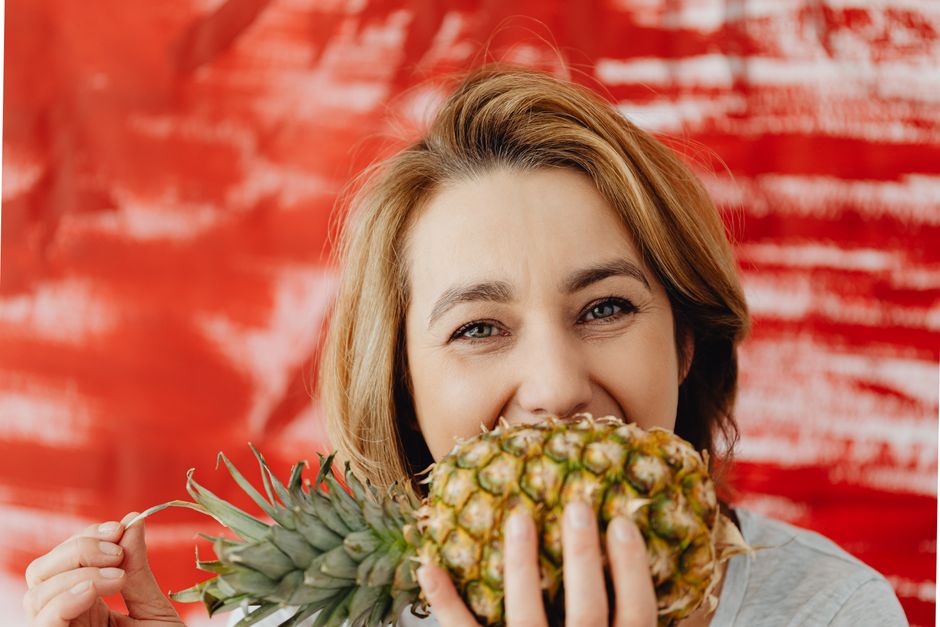
Pineapple is a tropical fruit with a long history in cooking and folk medicine. For a woman in Virginia, eating pineapple provides vitamin C, manganese, and fiber, and it also delivers bromelain, an enzyme mixture that has real biological activity in the body. The most common reason women search this question is the belief that pineapple improves vaginal taste or helps with fertility. Those two claims are the ones most worth examining closely, because the evidence for them is not what most internet articles suggest.
What Does Pineapple Do For A Woman Virginia?
In short: pineapple is a nutritious fruit that supports normal immune function and provides dietary fiber, but no clinical evidence confirms that it changes vaginal taste, improves fertility, or treats any gynecological condition. The confusion comes from a mix of real biochemistry and unproven folklore. Pineapple does contain bromelain, a group of enzymes that break down proteins. Bromelain has been studied for swelling, inflammation, and recovery after surgery, but those studies used concentrated bromelain supplements, not the amount found in a serving of fruit. Eating pineapple is not the same as taking a bromelain extract.
The other persistent claim is that pineapple makes vaginal fluids taste sweeter. This idea appears widely in forums and social media, but it has not been tested in any controlled human study. Vaginal taste and odor are influenced mainly by the natural vaginal microbiome, hormonal cycles, hydration, and overall health. No food has been shown in clinical research to reliably alter it. If a woman notices a strong or unusual odor, that is a medical signal worth discussing with a clinician, not a reason to eat more fruit.
Does Pineapple Really Help With Fertility?
No well-designed human trial has shown that eating pineapple improves the odds of conception. The fertility claim rests on bromelain and its theoretical effects on inflammation and blood flow. Some early laboratory and animal research has looked at bromelain’s activity, but this does not translate into a proven fertility benefit for women. Biological plausibility is not the same as demonstrated clinical benefit, and this is a clear case where the two have been conflated.
There is one nutrient in pineapple that matters for pregnancy specifically: folate. Folate is a B vitamin that helps prevent neural tube defects when adequate amounts are consumed before and during early pregnancy. Pineapple contains some folate, but the amounts are modest. A woman trying to conceive should get folate from a prenatal vitamin and a varied diet rather than relying on any single fruit. The Centers for Disease Control and Prevention recommends that women of reproductive age consume 400 micrograms of folic acid daily, and this is a well-established public health guideline, not a fringe recommendation.
What Nutrients Does Pineapple Actually Provide?
Pineapple is genuinely nutritious, and that part of the story is well supported. One cup of fresh pineapple chunks provides a meaningful amount of vitamin C, which supports immune function and helps the body absorb iron. It also supplies manganese, a mineral involved in bone formation and metabolism, and vitamin B6, which plays a role in energy metabolism and red blood cell formation. The table below reflects standard nutrient values for raw pineapple.
| Nutrient | Approximate Amount per 1 Cup Raw Chunks |
|---|---|
| Vitamin C | About 79 mg |
| Manganese | About 1.5 mg |
| Vitamin B6 | About 0.2 mg |
| Fiber | About 2.3 g |
| Calories | About 82 |
These values come from standard USDA nutrient data. The vitamin C content is notable because it covers most of the daily requirement for an adult woman in a single serving. That said, vitamin C is also abundant in citrus, bell peppers, strawberries, and broccoli, so pineapple is not uniquely necessary.





Is Bromelain the Reason People Talk About Pineapple?
Bromelain is the reason pineapple gets so much attention. It is a mixture of protein-digesting enzymes found in the fruit and stem. Bromelain has been studied in supplement form for reducing swelling after surgery, for sinus inflammation, and for joint pain, with mixed results. Some studies suggest modest benefit in certain surgical recovery settings, while others show little difference from placebo. The evidence is not strong enough to call bromelain a reliable treatment for any of these conditions.
The amount of bromelain in a serving of pineapple is far lower than what is used in clinical research. Cooking and canning also reduce enzyme activity. So while bromelain is real and biologically active, eating pineapple is not a substitute for a therapeutic dose, and no clinical guideline recommends pineapple for any medical purpose.
Does Pineapple Affect Vaginal Health or Odor?
There is no clinical evidence that pineapple changes vaginal odor or taste. The vaginal environment is maintained by Lactobacillus bacteria, which produce lactic acid and keep the area slightly acidic. This ecosystem is influenced by hormones, hygiene practices, sexual activity, and underlying infections. Diet plays a smaller role than most people assume.
Some women report that certain foods seem to affect their body odor or vaginal scent. These reports are anecdotal and have not been confirmed in controlled studies. If a woman notices a persistent change in vaginal odor, especially with discharge, itching, or discomfort, the appropriate step is to see a clinician. Conditions such as bacterial vaginosis or a yeast infection are common and treatable, and they are not caused by eating or avoiding pineapple.
Are There Any Real Risks of Eating Pineapple?
For most people, pineapple is safe and well tolerated. The main concern is bromelain’s potential to cause irritation in some individuals, particularly mouth tingling or soreness from the enzyme activity. People with a pineapple allergy, which is uncommon but real, should avoid it. Bromelain may also interact with blood-thinning medications such as warfarin, because it can affect clotting in theory. Anyone taking anticoagulants should talk to their doctor before consuming large amounts of pineapple or bromelain supplements.
Pineapple is also high in natural sugar, so women managing blood glucose should account for it in their overall carbohydrate intake. This is a general dietary consideration, not a specific warning unique to pineapple.
Should a Woman in Virginia Change Her Diet Because of These Claims?
No. There is no evidence that women in Virginia need a different approach to pineapple than women anywhere else. The claims about pineapple and vaginal taste or fertility are not supported by clinical research, and geography does not change that. A balanced diet that includes a variety of fruits and vegetables supports general health, and pineapple can be part of that. But it is not a remedy, and treating it as one can delay real medical care.
The non-obvious point here is that bromelain’s real research history has been stretched far beyond what the studies actually show. A compound being studied in a lab or in supplement trials is not the same as a food being proven to do something in the body. That gap is where most of the pineapple mythology lives.
Frequently Asked Questions
Does eating pineapple make vaginal fluids taste better?
No controlled study has shown that pineapple changes vaginal taste or odor. Vaginal scent is mainly determined by the natural bacterial balance and hormones, not by diet.
Can pineapple help a woman get pregnant?
No clinical evidence confirms that pineapple improves fertility or the chance of conception. Folate matters for pregnancy, but it should come from a prenatal vitamin and a varied diet rather than from pineapple alone.
How much vitamin C is in a cup of pineapple?
One cup of raw pineapple chunks provides about 79 milligrams of vitamin C, based on standard USDA nutrient data. That covers most of the daily requirement for an adult woman.
Is it safe to eat pineapple every day?
For most people, daily pineapple is safe as part of a balanced diet. Women taking blood-thinning medication should check with their doctor, because bromelain may affect clotting.
