
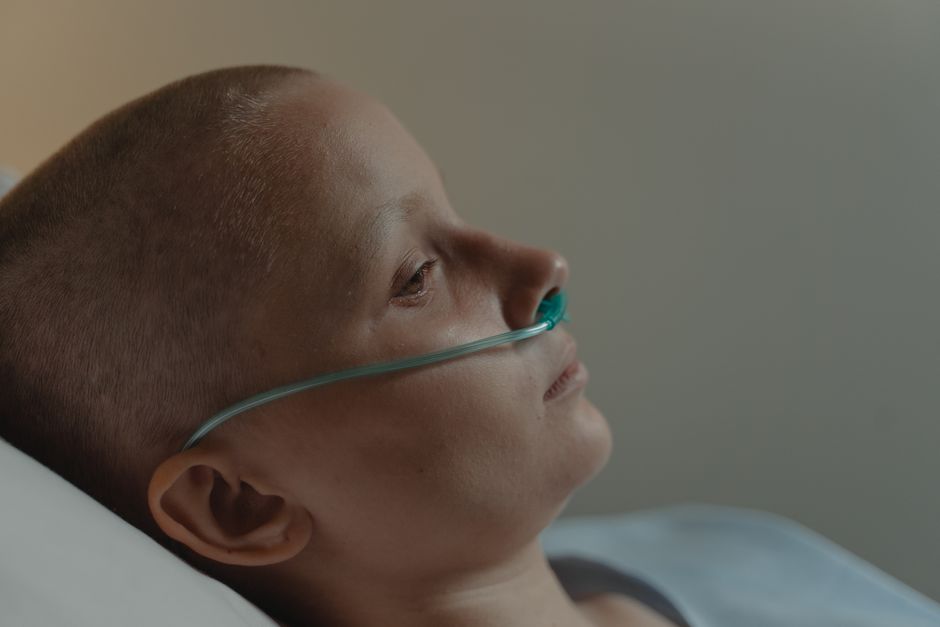
Palliative care is medical care focused on relieving pain, symptoms, and stress caused by a serious illness. It is provided by a team that often includes doctors, nurses, social workers, and chaplains. It can be given at any stage of illness, alongside treatments meant to cure or slow a disease, and it is not the same as hospice.
What Does Palliative Care Involve in Practice?
Palliative care starts with a long conversation. A clinician asks about physical symptoms, but also about sleep, appetite, mood, finances, family stress, and what matters most to the person.
That conversation leads to a plan. The plan might include medication adjustments, referrals, counseling, or practical help. It is built around the patient’s goals, not a standard checklist.
The word “palliative” comes from the Latin pallium, meaning cloak. The original idea was to “cloak” or cover symptoms. That image is useful because it clarifies the goal: reduce suffering, not treat the underlying disease itself.
How Is Palliative Care Different From Hospice?
Hospice is a specific type of palliative care for people near the end of life who have stopped curative treatment. Palliative care is broader. It can begin the day someone is diagnosed with a serious illness, even while they are receiving aggressive treatment.
A person with advanced cancer can receive chemotherapy and palliative care at the same time. A person with heart failure can receive palliative care while still being treated by a cardiologist. There is no requirement to stop treatment to receive palliative care.
Hospice, by contrast, generally requires that a doctor certify a life expectancy of six months or less if the disease runs its normal course, and that the person forgo curative treatment for that illness. These are different programs with different rules, though both focus on comfort.
Who Provides Palliative Care?
Palliative care is usually delivered by an interdisciplinary team. That means several professionals work together and communicate with each other and with the primary treating doctors.
- Physicians with training in palliative medicine, who manage complex symptoms and lead the team.
- Nurses, often the main point of contact, who assess symptoms, coordinate care, and educate patients and families.
- Social workers, who help with emotional support, family conflict, insurance, and community resources.
- Chaplains or spiritual care providers, who address spiritual and existential concerns if the patient wants that support.
- Pharmacists, who help select and adjust medications for pain and other symptoms.
Not every program includes every role. A small hospital might have one nurse and one doctor. A large cancer center might have all of the above.





What Symptoms and Problems Does It Address?
Palliative care addresses a wide range of problems. Pain is common, but it is far from the only one.
Physical symptoms often include nausea, vomiting, constipation, diarrhea, shortness of breath, fatigue, loss of appetite, difficulty sleeping, and itching. These are treated with medications, dietary changes, breathing techniques, and other approaches.
Emotional and psychological symptoms include anxiety, depression, fear, anger, and grief. Palliative teams screen for these and offer counseling, medication, or referral to mental health specialists.
Practical problems matter too. Transportation to appointments, affording medications, arranging home help, and completing legal documents like advance directives are all part of the picture. Social workers on the team often handle these.
Family members are also part of the care. Palliative teams support caregivers who are exhausted, frightened, or unsure what to do next.
Does Palliative Care Mean Giving Up?
No. This is one of the most persistent misunderstandings. Palliative care is not about stopping treatment or giving up hope. It is about adding a layer of support focused on comfort and quality of life.
Some patients and families worry that agreeing to palliative care signals that doctors have given up. In practice, the opposite is often true. Palliative teams help people tolerate treatment better and make informed decisions about what they want.
It is also worth clarifying a related point: palliative care does not shorten life. Some people assume that pain medications or comfort-focused care hasten death. Research on this question has generally not supported that fear, though the evidence is not uniform across every setting and every medication.
What Does a Typical Palliative Care Visit Look Like?
A first visit usually lasts longer than a standard medical appointment. The clinician asks about symptoms, but also about the person’s understanding of their illness, their goals, and their support system.
Questions might include: What do you understand about your condition? What matters most to you right now? What are you hoping for? What worries you?
From there, the team makes recommendations. These might be medication changes, referrals to other specialists, or practical support. The team then communicates with the primary doctors so everyone is working from the same plan.
Follow-up visits can happen in a hospital, clinic, or at home. Some programs offer telehealth. The frequency depends on the patient’s needs and the program’s capacity.
Who Can Benefit From Palliative Care?
Palliative care is generally offered to people with serious, complex, or life-limiting illnesses. Common examples include cancer, heart failure, chronic obstructive pulmonary disease (COPD), kidney failure, dementia, and advanced liver disease.
It is not limited to those conditions. Any illness that causes significant symptoms, stress, or uncertainty can be a reason to involve a palliative team. Some hospitals offer it to patients with severe infections, trauma, or prolonged ICU stays.
Referral patterns vary. Some doctors refer early. Others wait until symptoms are hard to control. There is no single standard for when to refer, and practices differ between hospitals and regions.
How Do You Access Palliative Care?
In the United States, palliative care is available in most large hospitals and many cancer centers. Some communities have outpatient palliative clinics. A smaller number of programs provide home-based palliative care.
The most common way to access it is through a referral from a treating doctor. Patients and families can also ask directly. Asking does not commit anyone to anything, and it does not mean stopping other treatments.
Insurance coverage varies. Medicare and many private insurers cover palliative care consultations, but coverage for ongoing outpatient or home-based palliative care is not universal. It is reasonable to ask the hospital or clinic’s billing office what is covered before starting.
What Does the Evidence Show?
Research on palliative care has grown substantially over the past two decades. Studies have found that early palliative care can improve quality of life and reduce symptoms for some patients with advanced cancer.
Some studies have also found improvements in mood and, in certain trials, longer survival compared with standard care alone. These findings have been reported in several peer-reviewed journals, though results vary by patient population, cancer type, and how the palliative care was delivered.
The evidence is strongest for advanced cancer. For other conditions like heart failure, COPD, and dementia, the evidence is more limited and mixed. Some studies show benefit; others show smaller or less consistent effects.
It is fair to say that palliative care is not a cure for anything. It is a service that aims to reduce suffering. Whether it improves survival in any given situation is not fully settled.
What Are the Limits and Misconceptions?
Palliative care is not available everywhere. Rural areas and smaller hospitals often lack dedicated programs. Even where programs exist, staffing shortages can limit how many patients they can see.
Another misconception is that palliative care is only for older adults. It is not. Younger adults and even children with serious illnesses can receive palliative care. Pediatric palliative programs exist at many children’s hospitals.
Some people also confuse palliative care with euthanasia or physician-assisted dying. These are entirely separate. Palliative care does not involve intentionally ending a patient’s life. It focuses on comfort and support while the person is alive.
Finally, palliative care is not the same as pain management alone. Pain is one part of it, but the scope is much wider. It includes emotional, social, and spiritual support, as well as help with decisions and planning.
Frequently Asked Questions
Is palliative care the same as hospice?
No. Hospice is a specific type of palliative care for people near the end of life who have stopped curative treatment. Palliative care can begin at any stage of illness and can be given alongside treatment meant to cure or slow a disease.
Can you receive palliative care and still get treatment for your illness?
Yes. Palliative care is designed to be given alongside other treatments, not instead of them. A person can receive chemotherapy, dialysis, or other therapies while also receiving palliative care.
Does palliative care shorten life?
The available evidence does not show that palliative care shortens life, and some studies have found longer survival in certain patient groups. Results vary, and no single answer applies to every situation.
Who pays for palliative care?
Medicare and many private insurers cover palliative care consultations, but coverage for ongoing outpatient or home-based palliative care is not universal. It is reasonable to check with the hospital or clinic’s billing office about what is covered.
