
Begonia ‘Sophie Cecile’ is a rhizomatous begonia prized for its large, spiraled leaves that blend silver, green, and deep burgundy. Care means bright indirect light, a loose well-draining mix kept evenly moist but never soggy, temperatures roughly between 60°F and 75°F, and high humidity. Propagate it by dividing the rhizome or by rooting leaf cuttings or rhizome sections in a light, moist medium.
That is the short version. The longer version matters because this plant sits in a group — rhizomatous begonias — with specific habits that differ from the cane and wax begonias many people already know. Get the basics right and it is a forgiving, long-lived houseplant that can fill a wide pot within a few seasons.
What Kind of Begonia Is ‘Sophie Cecile’?
‘Sophie Cecile’ is a rhizomatous begonia, a type defined by a thick, fleshy stem that creeps along or just below the surface of the soil rather than growing upright. The leaves emerge from that rhizome, and the plant spreads outward from it over time.
Rhizomatous begonias are grown mostly for foliage, not flowers. ‘Sophie Cecile’ is known for large, rounded leaves with a spiral or swirl at the base and a mottled pattern of silver and green over a darker background. Many rhizomatous types also produce small clusters of pale pink or white flowers in late winter or spring, though the display is modest compared with the leaves.
The rhizome is the key to understanding everything about this plant. It stores water, which is why the plant tolerates brief dry spells better than some begonias. It also creeps toward the light and over the rim of the pot, which is normal behavior, not a sign of distress.
What Light and Temperature Does It Need?
Bright, indirect light is the target. A spot near an east-facing window, or a few feet back from a south or west window, usually works well. Direct midday sun can scorch the leaves, leaving pale or brown patches that do not heal.
Too little light is the more common problem indoors. If new leaves come in small, the silver pattern fades, or the stems stretch with wide gaps between leaves, the plant is asking for more light. Move it closer to a window, but keep it out of harsh direct sun.
Temperature is straightforward. Rhizomatous begonias generally do well between roughly 60°F and 75°F. They dislike cold drafts, sudden swings, and temperatures near or below 50°F, which can damage the leaves and rhizome. Keep the plant away from air-conditioning vents and drafty windows in winter.
How Should You Water a Begonia ‘Sophie Cecile’?
Water when the top inch or so of the mix feels dry to the touch. Then water thoroughly until it runs out the drainage holes, and empty the saucer so the pot does not sit in standing water.
The rhizome is the reason watering matters so much. It stores water, so the plant can handle a short dry period. But it also rots easily if the mix stays wet. Overwatering is the most common way people lose rhizomatous begonias, and the damage often starts at the rhizome before any leaf shows a problem.
Signs you are watering too much include soft, mushy rhizome tissue, yellowing lower leaves, and a sour smell from the soil. Signs you are watering too little include crisp brown leaf edges and leaves that droop and feel thin. Aim for the middle: consistently moist, never waterlogged, never bone dry for long.
One practical detail: water the soil, not the leaves, when you can. Begonias are prone to leaf spot and powdery mildew when foliage stays wet, especially in still air.





What Soil, Humidity, and Fertilizer Work Best?
Use a loose, well-draining mix. A standard potting mix blended with extra perlite or coarse bark works well, and many growers add a handful of orchid bark or coco coir to keep it airy. The goal is a mix that holds some moisture but lets excess water drain fast.
Humidity is where this plant earns its reputation as slightly fussy. Rhizomatous begonias generally prefer higher humidity than a typical heated or air-conditioned room provides. A pebble tray with water, a grouping of plants, or a room humidifier can all help. Misting is often recommended, but it can encourage leaf disease, so it is not the best method.
Fertilizer should be light. A balanced liquid houseplant fertilizer diluted to about half the label strength, applied every few weeks during active growth in spring and summer, is a common approach. Hold off in winter when growth slows. Overfeeding can burn the roots and cause leaf-edge browning.
Quick reference
- Light: Bright, indirect; avoid direct midday sun
- Water: When top inch of soil is dry; never leave standing water
- Temperature: Roughly 60°F to 75°F; avoid cold drafts
- Humidity: Higher than average room humidity
- Soil: Loose, well-draining mix with perlite or bark
- Fertilizer: Diluted balanced feed every few weeks in spring and summer
How Do You Propagate a Begonia ‘Sophie Cecile’?
Propagation is one of the easiest parts of growing this plant. There are three reliable methods: rhizome division, rhizome cuttings, and leaf cuttings. Division is the fastest and most dependable.
Rhizome division
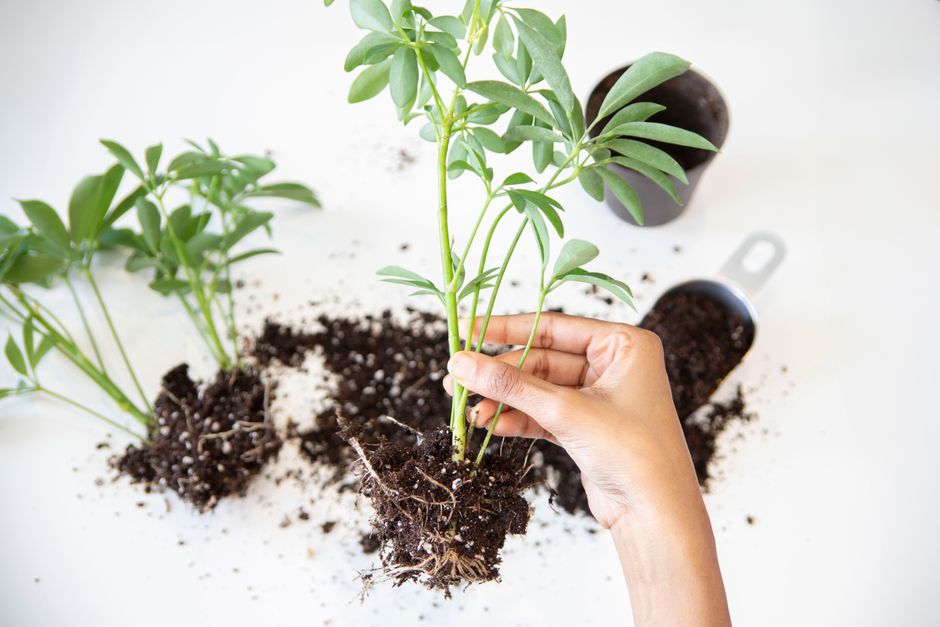
When the plant has filled its pot and the rhizome has branched, you can divide it. Lift the plant, find a natural point where the rhizome splits, and cut cleanly with a sterile knife. Make sure each division has its own roots and at least one growing tip. Pot each section in fresh mix and water lightly. Keep them warm and out of direct sun until new growth appears.
Rhizome cuttings
You can also cut a section of healthy rhizome, ideally with a growing point, and lay it on the surface of a moist, light propagation mix. Press it down so it makes good contact but do not bury it deeply. Keep the medium barely moist and the air humid. New shoots and roots typically form in a few weeks, though timing varies with warmth and light.
Leaf cuttings
Leaf cuttings take longer but let you produce several plants from one leaf. Cut a healthy leaf into sections, each containing a main vein, and press the cut edges into moist propagation mix. A whole leaf laid flat on the surface, weighted down so its veins touch the medium, can also work. Keep it humid and out of direct sun. New plantlets form at the cut veins over several weeks to a few months.
Whichever method you use, the same principles apply: clean tools, a light and sterile medium, steady warmth, high humidity, and patience. Do not overwater cuttings, because they have no established root system to handle excess moisture.
What Problems Should You Watch For?
The main issues are root and rhizome rot from overwatering, powdery mildew and leaf spot in still or damp air, and pests such as mealybugs, spider mites, and fungus gnats.
Mealybugs look like small white cottony clumps, often in leaf joints and along the rhizome. Spider mites show up as fine webbing and stippled, dull leaves, and they thrive in dry air. Fungus gnats are usually a sign of consistently wet soil. Each has well-known control methods, and catching them early makes a real difference.
If the rhizome turns soft and dark, that is rot, and it needs immediate attention. Cut away the affected tissue with a sterile tool, let the cut surface dry briefly, and repot into fresh, well-draining mix. If the rot has spread through most of the rhizome, the plant may not recover, but healthy sections can sometimes be saved and propagated.
Leaf drop after a move or a cold snap is common and usually temporary. The plant often regrows from the rhizome if conditions improve.
How Do You Keep It Looking Full and Healthy Long Term?
Repot every year or two, in spring, into a container just slightly larger than the root ball. Rhizomatous begonias actually do well slightly pot-bound, and an oversized pot holds excess moisture that invites rot.
Trim or remove older leaves as they fade, and pinch back leggy growth to encourage a fuller shape. If the rhizome creeps over the pot rim, that is normal, but you can guide it back onto the soil surface or repot to give it more room.
Rotate the pot occasionally so all sides get even light. With steady care, this plant can live for many years and become a substantial specimen.
Frequently Asked Questions
Is Begonia ‘Sophie Cecile’ easy to care for?
It is moderately easy for a houseplant. It is forgiving about brief dry spells thanks to its water-storing rhizome, but it is sensitive to overwatering and low humidity.
Can you propagate Begonia ‘Sophie Cecile’ from a single leaf?
Yes, leaf cuttings work, though they take longer than division. Cut the leaf so each section includes a main vein, press it into moist mix, and keep it warm and humid.
Why are the leaves on my Begonia ‘Sophie Cecile’ turning yellow?
Yellowing lower leaves most often point to overwatering or poor drainage. Check the rhizome for soft, dark tissue, since rot usually starts there before leaves show symptoms.
How often should I water a Begonia ‘Sophie Cecile’?
Water when the top inch of soil feels dry, which varies with light, temperature, and pot size. There is no fixed schedule, so check the soil rather than the calendar.
