
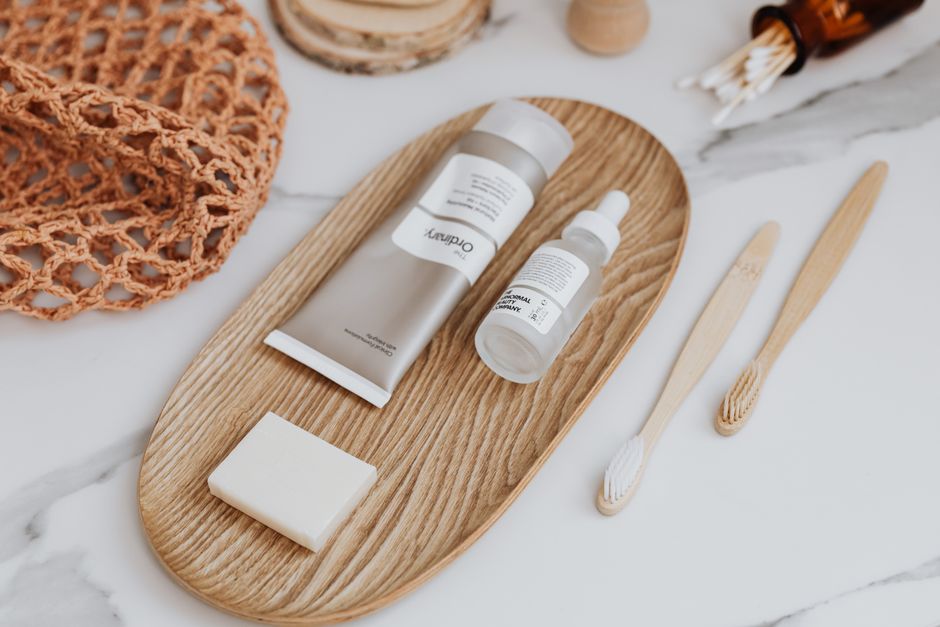
Silicone free means a product is made without silicone-based ingredients. These are synthetic polymers used in cosmetics to create a smooth, slippery feel. On hair, they coat the strand to add shine and reduce frizz. On skin, they fill in fine lines and create a soft, matte finish. The trade-off is that silicones can build up over time, which is why many people now look for products without them.
What Are Silicones and Why Are They in Products?
Silicones are man-made ingredients derived from silica, which is a natural compound found in sand and quartz. They are valued in cosmetics because they are incredibly stable and create a smooth barrier on the surface of the hair or skin. Common names on ingredient labels include dimethicone, cyclopentasiloxane, and amodimethicone. Anything ending in “-cone” or “-siloxane” is typically a silicone.
These ingredients do not penetrate the hair shaft or skin cells. They sit on top. This is why they are so effective at instantly smoothing the appearance of split ends or blurring the look of pores. They are also used in primers, sunscreens, and moisturizers because they help products spread evenly and feel lightweight.
Manufacturers use them because they work well and are generally inexpensive. They solve real formulation problems, like keeping a product from separating or making a cream feel less greasy. For many people, silicones cause no issues at all and are perfectly safe to use daily.
How Do Silicones Affect Hair Over Time?
Silicones coat the hair shaft like a plastic wrap. This coating seals in moisture and prevents water from entering the strand. For hair that is damaged or highly porous, this can be helpful in the short term. It makes the hair feel soft and look shiny immediately after application.
The problem is buildup. Most silicones are not water-soluble. They require a stronger cleansing agent, usually a sulfate-based shampoo, to be fully removed. If you use a gentle shampoo or a sulfate-free cleanser, the silicone layer can accumulate. Over time, this buildup prevents moisture and conditioners from actually reaching the hair. The hair can feel heavy, look dull, and become stiff.
This is why the “silicone free” movement is most popular among people who follow the Curly Girl Method or who have naturally textured hair. Curly hair is typically drier and more fragile than straight hair. The weight of silicone buildup can pull curls down and make them lose their shape. Removing silicones allows the hair to absorb water and conditioning ingredients more effectively, which helps define natural curl patterns.
It is important to be accurate about what happens when you stop using them. Hair does not change its structure. If you switch to silicone-free products, your hair will not suddenly become thicker or grow faster. What changes is the coating. Your hair may feel less slippery and more textured. It may also feel drier at first because the artificial smoothness is gone. This adjustment period is normal and usually lasts a few washes.
How Do Silicones Affect Skin?
On skin, silicones act as an occlusive barrier. This means they form a breathable film that slows down water loss from the skin’s surface. This can be beneficial in a moisturizer because it helps lock in hydration. It is also why many makeup primers contain silicones. They create a smooth canvas that helps foundation glide on evenly and last longer.
For people with acne-prone skin, silicones can be problematic. The barrier they create can trap oil, sweat, and dead skin cells against the skin. Some research and clinical observations suggest this can contribute to clogged pores and breakouts in certain individuals. The evidence is not universal. Many dermatologists note that silicones are non-comedogenic, meaning they do not block pores by themselves. However, the buildup of other debris under the silicone layer can be an issue for sensitive or acne-prone skin types.
There is also a common misconception that silicones suffocate the skin. This is not accurate. The film they form is permeable to oxygen and water vapor. Your skin still functions normally underneath. The concern is not about breathing. It is about accumulation and how the product interacts with your specific skin type.
Another point to consider is that silicones are often used to make a product feel nice. They provide that instant “silk” feel that consumers like. When you remove them, a moisturizer may feel thicker or take longer to absorb. This does not mean the product is worse. It just means the sensory experience is different.




What Does Silicone Free Mean for Product Performance?
Choosing silicone-free products means accepting a different performance profile. Shampoos without silicones will not create the same slip or detangling effect. Conditioners may require you to use more product or spend more time distributing it through your hair. Styling creams may not provide the same instant shine. These are honest trade-offs.
What you gain is a cleaner slate. Without the coating, your hair and skin can respond more directly to the active ingredients in your products. For example, a moisturizer with hyaluronic acid can bind water to the skin more effectively if there is no silicone layer blocking it. A protein treatment for hair can actually bond to the hair fiber instead of just sitting on top of a silicone coat.
It is also worth understanding that “silicone free” does not automatically mean “natural” or “better.” Many silicone-free products still contain synthetic ingredients, preservatives, and fragrances. Some of these alternatives, like certain oils or waxes, can also cause buildup. The ingredient label matters more than the marketing claim on the front of the bottle.
Are Silicones Bad for You or the Environment?
From a health standpoint, silicones are not considered toxic. Regulatory agencies have reviewed common cosmetic silicones and found them safe for use in personal care products. They do not penetrate the skin barrier in any significant amount. They are not known to be endocrine disruptors or carcinogens. For most people, the decision to go silicone-free is about cosmetic preferences, not health risks.
The environmental picture is more complex. Silicones are not biodegradable in the traditional sense. They break down very slowly in the environment. Some cyclosiloxanes, like cyclopentasiloxane, have been studied for their potential to accumulate in aquatic environments. This has led to some regulatory scrutiny in Europe and Canada. The scientific consensus on their exact environmental impact is still evolving. If you are choosing silicone-free products for environmental reasons, that is a defensible position, but the evidence on harm is not fully settled.
How Do You Transition to Silicone-Free Products?
If you want to switch, do not throw everything out at once. Start with your shampoo and conditioner. These are the products that contact your hair most frequently. You may need to do a clarifying wash first to remove existing silicone buildup. A clarifying shampoo with sulfates will do this effectively. After that, switch to your silicone-free routine.
For skin, introduce one silicone-free product at a time. This allows you to see how your skin reacts. If you are used to a silicone-based primer, you may notice your foundation does not last as long. You may need to adjust your makeup application technique or use a different type of primer, like one based on glycerin or aloe.
Pay attention to how your hair and skin respond over a few weeks. Some people see immediate improvement in curl definition or reduced breakouts. Others notice no difference at all. Both outcomes are normal. The best routine is the one that works for your specific hair type, skin type, and lifestyle. There is no universal answer.
Frequently Asked Questions
Do silicones cause hair loss?
No direct evidence links silicones to hair loss. However, heavy buildup can make hair brittle and prone to breakage over time, which may look like thinning.
Is dimethicone a silicone?
Yes, dimethicone is one of the most common silicones used in hair and skin care products.
Can silicone-free products still cause buildup?
Yes, some natural oils and butters like shea butter or coconut oil can also accumulate on hair and skin if used heavily.
Are water-soluble silicones better than regular silicones?
Water-soluble silicones rinse off with water alone and are less likely to build up. They are a good middle ground if you want some slip without the heavy coating.
