

Yellow, watery diarrhea looks alarming, but it is usually not a medical emergency. The color and consistency of your stool tell a story about how quickly food moved through your digestive system and what your body was able to absorb. When diarrhea is yellow and watery, it typically means waste passed through your intestines too quickly for bile to break it down into its normal brown color. In most cases, it resolves within a few days without treatment. However, persistent yellow watery diarrhea can also signal a problem with your liver, gallbladder, or pancreas that deserves medical attention.
What Causes Yellow Watery Diarrhea?
Several common conditions can produce yellow, watery stool. The most frequent culprit is a short-lived gastrointestinal infection. Viral gastroenteritis, often called the stomach flu, speeds up digestion so much that bile doesn’t have time to change color. Bacterial infections from contaminated food or water can do the same.
Another common cause is something you ate. Foods high in yellow coloring, like turmeric or certain processed snacks, can temporarily tint your stool. Artificial sweeteners, especially sugar alcohols like sorbitol and xylitol, draw water into the intestines and can cause loose, yellow stools. If you recently increased your intake of these, that may explain what you are seeing.
What Does Bile Have to Do With Stool Color?
Bile is a digestive fluid produced by your liver and stored in your gallbladder. It is naturally yellow-green. As bile travels through your intestines, bacteria break it down into brown pigments. This process takes time.
When diarrhea moves through your system rapidly, that breakdown never finishes. The result is stool that stays closer to its original yellow color. Think of it like food coloring that hasn’t been fully mixed. The faster the transit time, the more likely your stool will appear yellow rather than brown.
This explains why mild cases of yellow diarrhea often resolve on their own. Once your digestive system slows back to normal, the bile gets enough time to change color.
When Is Yellow Diarrhea a Sign of Something Serious?
Persistent yellow watery diarrhea can indicate your body is not digesting fat properly. When fat is not absorbed, it passes through your system and can turn stool yellow, greasy, or oily. This is called steatorrhea. It often floats and is difficult to flush away.
Conditions that affect fat absorption include:
- Gallbladder disease — if your gallbladder is not releasing enough bile, fat digestion suffers
- Liver problems — reduced bile production affects stool color
- Pancreatic insufficiency — your pancreas makes enzymes needed to break down fat
- Celiac disease — an immune reaction to gluten damages the small intestine’s ability to absorb nutrients
If yellow diarrhea lasts longer than a few days or keeps coming back, these conditions become more likely. This is especially true if you also notice unintentional weight loss, abdominal pain, or foul-smelling stools.



How Long Should Yellow Watery Diarrhea Last?
Most cases of infectious diarrhea, including yellow watery stool, clear up within 2 to 3 days. Your body needs time to flush out the offending virus or bacteria. Staying hydrated during this period is the most important thing you can do.
You should see a doctor if diarrhea lasts more than 48 hours in an adult. Seek medical care sooner if you have a fever above 101°F, severe abdominal pain, signs of dehydration, or blood in your stool. For older adults, young children, or people with weakened immune systems, the threshold for seeking care is lower.
Recurring episodes of yellow diarrhea — even if each one is short — warrant evaluation. This pattern suggests an ongoing digestive issue rather than a one-time infection.
What Should You Eat When You Have Yellow Watery Diarrhea?
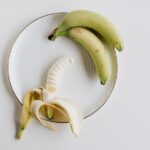
During an active episode, the goal is to avoid making things worse. The BRAT diet — bananas, rice, applesauce, and toast — remains a reasonable starting point. These foods are bland, low in fiber, and unlikely to irritate your digestive tract.
Foods to avoid until your stool returns to normal include:
- Dairy products, which can be hard to digest temporarily
- Greasy or fried foods
- Spicy foods
- Caffeine and alcohol
- High-fiber foods like raw vegetables and whole grains
Rehydration is the priority. Water alone is not enough because diarrhea depletes electrolytes like sodium and potassium. Oral rehydration solutions, available at most pharmacies, replace both fluids and electrolytes. Sports drinks can work in a pinch but often contain too much sugar, which can worsen diarrhea.
Does Your Diet Cause Yellow Diarrhea Long Term?
Some dietary patterns can produce yellow stools even without an infection. A very high-fat diet, for example, can overwhelm your digestive system’s ability to process fat. This is not necessarily a disease state, but it can lead to yellow, greasy stools.
Artificial sweeteners deserve special attention. Sugar alcohols are poorly absorbed by the small intestine. They pull water into the bowel and ferment in the colon, producing loose stools. If you consume sugar-free gum, candies, or protein bars regularly, try eliminating them for a few days to see if your stool color and consistency improve.
Food intolerances can also cause yellow diarrhea. Lactose intolerance is common, affecting a significant portion of adults. When you cannot break down lactose, it ferments in your colon and draws in water, producing diarrhea. This may appear yellow if transit time is rapid.
Is Yellow Watery Diarrhea a Sign of a Liver or Gallbladder Problem?
It can be. Your liver produces bile, and your gallbladder stores and releases it. If either organ is not functioning properly, bile may not reach your intestines in adequate amounts. Without bile, fat digestion fails and stool appears pale, yellow, or clay-colored.
Gallstones are a common cause of bile flow problems. They can block the bile duct, preventing bile from reaching your intestines. This often causes pain in the upper right abdomen, especially after eating fatty meals. Yellow diarrhea combined with this type of pain warrants prompt medical evaluation.
Liver conditions like hepatitis can also reduce bile production. If your liver is inflamed or damaged, it may not process bilirubin properly. This can cause yellowing of your skin and eyes, a condition called jaundice. Yellow stool combined with jaundice is a serious sign that needs immediate attention.
When Should You See a Doctor for Yellow Diarrhea?
You should seek medical care if yellow watery diarrhea lasts more than 48 hours without improvement. You should also see a doctor if you experience any of the following:
- Signs of dehydration: dark urine, dry mouth, dizziness, or extreme thirst
- Fever above 101°F
- Severe abdominal or rectal pain
- Blood or mucus in your stool
- Unintentional weight loss
- Yellowing of your skin or eyes
If you have an underlying condition like inflammatory bowel disease, diabetes, or a weakened immune system, do not wait. Contact your doctor earlier rather than later. What is a minor issue for a healthy person can become serious quickly in someone with a chronic condition.
Your doctor may order stool tests to check for infections, blood tests to evaluate liver and pancreatic function, or imaging studies to look at your gallbladder. These tests can identify the specific cause and guide appropriate treatment.
Frequently Asked Questions
Why is my diarrhea yellow and watery?
Yellow watery diarrhea usually means food moved through your intestines too quickly for bile to turn brown. Viral infections, certain foods, and artificial sweeteners are common triggers.
How long does yellow diarrhea last?
Most cases resolve within 2 to 3 days. See a doctor if it lasts longer than 48 hours or comes with fever, severe pain, or signs of dehydration.
Can yellow diarrhea mean liver problems?
Yes, persistent yellow stool can signal reduced bile flow from liver or gallbladder issues. See a doctor promptly if you also have jaundice or upper right abdominal pain.
Should I take anti-diarrhea medication for yellow watery diarrhea?
Let your body clear an infection naturally if you have a fever or bloody stool. For mild cases without these signs, ask a pharmacist or doctor before using over-the-counter anti-diarrheal products.
