
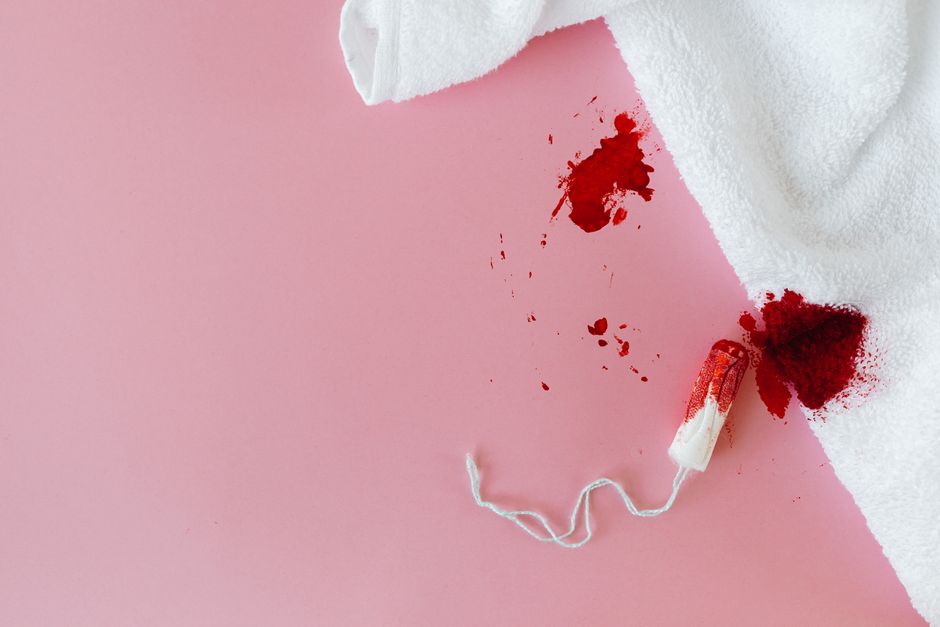
Seeing blood on toilet paper after you wipe is a common and usually treatable problem. Most often it comes from a small, swollen vein at the anal opening called a hemorrhoid, or from a tiny tear in the anal lining called an anal fissure. Both are uncomfortable but rarely dangerous. Still, blood after wiping should never be ignored, because a small number of cases turn out to be something more serious that needs a doctor’s attention.
What Does It Mean When You Wipe And See Blood?
Bright red blood on the paper usually means the bleeding is happening close to the anal opening. That is why it shows up as red streaks rather than dark or black stool. The closer the source is to the exit, the brighter the blood looks.
This is an important clue. Bright red blood points toward problems in the lower rectum or anus, such as hemorrhoids, fissures, or irritation. Darker blood, or blood mixed into the stool itself, tends to come from higher up in the colon and is a different concern.
The most common causes of small amounts of bright red blood when wiping are:
- Hemorrhoids — swollen veins in the anal canal that can bleed when irritated
- Anal fissures — small tears in the lining of the anus, often from passing a hard stool
- Minor irritation — from wiping too hard, dry paper, or frequent loose stools
These three account for the large majority of cases. None of them are emergencies on their own. But the only way to be sure which one you have — and to rule out the less common causes — is to have a doctor look at it.
Is Blood When Wiping Always a Sign of Hemorrhoids?
No. Hemorrhoids are the most frequent cause, but they are not the only one. Assuming it is “just hemorrhoids” is one of the most common and riskiest mistakes people make with rectal bleeding.
Other conditions can produce the same bright red streaks. An anal fissure, for example, often causes sharp pain during a bowel movement and a small amount of bright blood afterward. A fissure can feel very different from a hemorrhoid, which is often painless unless it is thrombosed (clotted).
Less common causes include:
- Inflammation of the rectum or colon
- Diverticular disease, which can bleed but usually produces more blood
- Polyps or growths in the colon or rectum
- Colorectal cancer, which can bleed in small amounts early on
- Certain infections that cause inflammation and bleeding
Colorectal cancer is the cause people fear most, and it is the reason bleeding should always be checked. In its early stages, colorectal cancer often causes no symptoms at all, or only small amounts of blood that look exactly like what a hemorrhoid produces. That overlap is why doctors do not rely on appearance alone.
When Should You Worry About Blood After Wiping?
Any bleeding that is new, persistent, or unexplained deserves a medical evaluation. There is no amount of rectal bleeding that is safe to simply watch at home indefinitely.
Certain features make it more urgent to see a doctor sooner:
- Bleeding that continues for more than a few days
- Blood that is dark, black, or mixed into the stool
- Bleeding with no obvious cause like a hard stool
- Larger amounts of blood, or blood that drips or sprays
- Unintentional weight loss
- A change in bowel habits lasting more than a few weeks
- Feeling tired, weak, or short of breath (possible signs of anemia from blood loss)
- A family history of colorectal cancer or colon polyps
Black, tarry stool is a specific warning sign. It usually means bleeding is coming from higher in the digestive tract, where blood has been partly digested. That is a different problem from bright red blood on the paper and needs prompt attention.
Age matters too. After age 45, the risk of colorectal cancer rises, and guidelines in the United States generally recommend regular screening starting at that age for average-risk adults. Bleeding in this age group should never be brushed off as hemorrhoids without an evaluation.




What Causes Bright Red Blood on Toilet Paper?
The location of the bleeding explains the color. Bright red blood means the source is near the anus, so the blood has not had time to be broken down and darkened.
Hemorrhoids are swollen blood vessels in the anal canal. Internal hemorrhoids sit higher up and often bleed without pain. External hemorrhoids sit at the opening and can hurt, especially if a clot forms. Straining, constipation, and long periods of sitting on the toilet raise the risk.
Anal fissures are small tears, most often caused by passing a large or hard stool. They cause sharp pain during and after a bowel movement, and a small streak of bright blood on the paper. They are common and usually heal, but they can become chronic.
Proctitis is inflammation of the rectum. It can cause bleeding along with a feeling of needing to go even when you do not, mucus, or discomfort. It has several possible causes, including infections and inflammatory bowel disease.
Wiping too aggressively, using harsh or scented paper, and frequent diarrhea can all irritate the skin and lining and produce a small amount of blood. This is the mildest category and often clears up with gentler habits.
How Do Doctors Figure Out the Cause?
A doctor starts with questions and a physical exam. They will ask about the color and amount of blood, whether it hurts, your bowel habits, and your family history. This history often narrows the possibilities quickly.
A digital rectal exam is common. The doctor inserts a gloved finger into the rectum to feel for lumps, tenderness, or other problems. It is quick and can detect some issues right away.
Depending on your age, symptoms, and risk factors, the doctor may recommend further testing:
- Anoscopy or sigmoidoscopy — a short scope to look at the lower rectum and anal canal
- Colonoscopy — a longer scope that examines the entire colon and can take tissue samples
- Blood tests — to check for anemia or signs of infection or inflammation
- Stool tests — to look for hidden blood or infection
Colonoscopy is the most complete test because it can examine the whole colon and remove polyps during the same procedure. It is not needed for every case of minor bleeding, but it is the standard when a higher cause needs to be ruled out.
What Can You Do About Bleeding When Wiping?
For bleeding clearly caused by hemorrhoids or a fissure, some simple measures can help while you wait to see a doctor. These reduce irritation and give the tissue a chance to heal.
- Drink enough water and eat fiber to keep stools soft
- Avoid straining and do not sit on the toilet longer than needed
- Wipe gently, or use a bidet or damp cloth instead of dry paper
- Take warm sitz baths to ease discomfort and promote healing
- Avoid scented wipes and harsh soaps
Over-the-counter creams and pads can soothe symptoms, but they do not fix the underlying cause. Some clinicians recommend them for short-term comfort. They are not a substitute for finding out why you are bleeding.
Do not use these measures to delay an evaluation. If bleeding continues past a few days, comes back, or has any warning features, see a doctor. Trying to self-treat for weeks or months is how serious problems get missed.
Does Blood When Wiping Mean Cancer?
In most cases, no. Hemorrhoids and fissures are far more common causes. But bleeding can be an early sign of colorectal cancer, and there is no way to tell the difference just by looking.
Colorectal cancer often causes no symptoms in its early stages. When it does bleed, the blood can be small in amount and bright red, exactly like a hemorrhoid. This is why doctors take rectal bleeding seriously even when the most likely cause is harmless.
The reassuring part is that when colorectal cancer is found early, treatment works far better. Screening exists precisely to catch it before symptoms appear. If you are in the recommended screening age range or have risk factors, regular screening is the most reliable way to protect yourself.
The bottom line is simple. Blood when you wipe is common and usually not cancer. But because the serious causes can look identical to the harmless ones, the only way to know is to have it checked.
Frequently Asked Questions
Is it normal to see a little blood when wiping?
It is common but not normal, meaning it always has a cause worth identifying. Most causes are minor, such as hemorrhoids or a small fissure, but a doctor should confirm the reason.
Can hemorrhoids cause blood only when I wipe?
Yes. Internal hemorrhoids often bleed a small amount of bright red blood that shows on the paper without causing pain. Because other conditions can bleed the same way, the appearance alone cannot confirm the cause.
How long should blood when wiping last before I see a doctor?
See a doctor if bleeding lasts more than a few days, keeps coming back, or comes with warning signs like dark stool, weight loss, or a change in bowel habits. New bleeding should not be watched at home indefinitely.
Can stress or spicy food cause blood when wiping?
No. Stress and spicy food do not directly cause rectal bleeding. They may worsen irritation or bowel habits, but bleeding always has a physical source that should be evaluated.
