
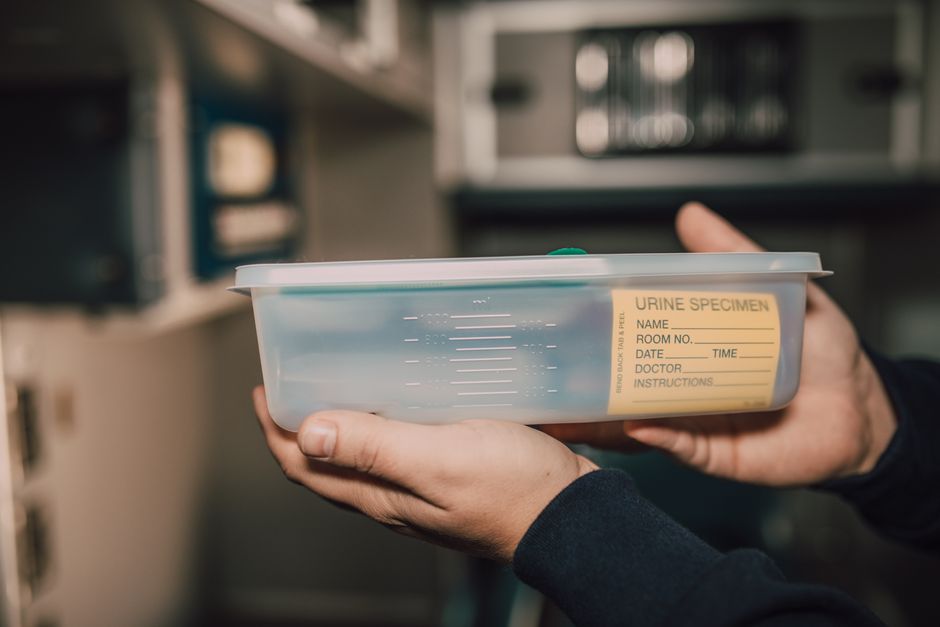
A contaminated urine sample means something from outside your urinary tract got into the cup. Skin cells, bacteria from your hands or genital area, or normal bacteria that live near the urethra can all end up in the specimen. The lab sees these extra organisms and flags the sample as contaminated. It does not mean you have an infection. It usually means the sample needs to be collected again.
What Does It Mean When A Urine Sample Is Contaminated?
A contaminated urine sample means the lab detected cells or bacteria that likely came from your skin or the area around your urethra rather than from your bladder. The result is not a diagnosis. It is a signal that the test may not reflect what is actually happening inside your urinary tract.
Urine itself is normally sterile. When it sits in your bladder, it contains no bacteria. But the moment it leaves your body, it passes through the urethra and past skin. Both areas have their own bacteria living on them. Those bacteria can wash into the cup along with your urine.
The lab uses specific markers to judge whether a sample is clean. These include squamous epithelial cells, which are flat skin cells from the outer genital area, and the number of different types of bacteria growing. If the lab sees many squamous cells, it knows skin got into the sample. If it sees multiple types of bacteria rather than one dominant type, that pattern suggests contamination rather than a true infection.
A contaminated result does not tell you whether you have a urinary tract infection. It also does not rule one out. It simply means the test cannot answer that question reliably.
How Does a Urine Sample Get Contaminated?
Contamination happens during collection, not inside your body. The most common causes are well understood and mostly avoidable.
The clean-catch method exists for this reason. It asks you to wipe the area first, then start urinating into the toilet, and collect only the middle part of the stream in the cup. The first urine flushes out bacteria sitting near the opening of the urethra. The last urine can pick up more as it leaves. The middle portion is the cleanest.
Common collection problems include:
- Not cleaning the area before collecting
- Collecting the first part of the stream instead of the middle
- Touching the inside of the cup or lid with your fingers
- Using a cup that was not sterile
- Letting the sample sit at room temperature for too long before it reaches the lab
- Not collecting enough urine, which makes any contamination more concentrated
For people with a vulva, the urethra sits close to the vagina and anus. That anatomy makes it easier for skin and vaginal cells to get into the sample. This is a matter of physical proximity, not hygiene failure. Even with careful cleaning, some contamination can still happen.
Timing matters too. If a sample sits out for hours, bacteria that were present in small numbers can multiply. That can make a borderline sample look worse than it was when collected.
What Does the Lab Actually Look For?
The lab examines urine under a microscope and may also culture it to see what grows. Two findings matter most for judging contamination.
Squamous epithelial cells are the clearest sign. These flat cells line the outer skin of the genital area and the lower urethra. They are not found in healthy bladder urine. When a lab reports “many squamous epithelial cells,” it is telling the clinician that the sample picked up skin cells on the way out.
Mixed bacterial growth is the second clue. A true bladder infection is usually caused by a single type of bacteria growing in large numbers. When a culture grows several different kinds of bacteria with no single one dominating, that pattern points toward contamination from skin bacteria rather than infection.
Some labs also report white blood cells. These can be present with infection, but they can also appear for other reasons. White blood cells alone do not confirm a urinary tract infection, and their absence does not rule one out.
It helps to understand that “contaminated” is a technical judgment about sample quality. It is not a comment on your health, your cleanliness, or whether something is wrong.





Does a Contaminated Sample Mean You Have an Infection?
No. A contaminated sample tells you nothing certain about whether you have an infection. It means the test could not give a clear answer.
This is the part people most often misunderstand. A contaminated result is not a positive result and not a negative result. It is an uninterpretable result. The lab is essentially saying the data is not trustworthy enough to act on.
If you have symptoms — burning when you urinate, needing to go often, pressure in your lower belly, or cloudy or strong-smelling urine — your clinician will likely want a new sample. Symptoms matter. They guide the decision more than a single unclear lab result.
If you have no symptoms and a routine sample comes back contaminated, the response may be different. Some clinicians will simply repeat the test. Others may decide no further testing is needed if you feel well. There is no single right answer here, and practice varies.
One point worth stating plainly: a contaminated sample does not mean you were dirty or that you did something wrong. It is one of the most common reasons urine tests need to be repeated.
What Happens After a Contaminated Result?
Most of the time, the answer is a repeat test. Your clinician will usually ask you to provide a new sample, often with clearer instructions on how to collect it.
Before repeating the test, some practical steps can lower the odds of contamination again:
- Wash your hands before you start
- Clean the genital area with the wipe provided, front to back
- Let the first part of your urine go into the toilet
- Collect the middle of the stream in the cup without touching the inside
- Fill the cup to the marked line if there is one
- Close the lid tightly and hand the sample in promptly
If a repeat sample is also contaminated, or if your symptoms continue, your clinician may consider other options. These can include a catheterized sample, which collects urine directly from the bladder and avoids the skin entirely. This is not routine. It is used when clean-catch samples keep failing or when a clear answer is needed quickly.
In some cases, especially when symptoms are strong and typical, a clinician may decide to treat based on symptoms alone rather than waiting for a clean sample. This is a judgment call. It reflects the reality that urine testing is not perfect and that symptoms carry real weight.
Can You Prevent a Contaminated Urine Sample?
You can lower the risk, but you cannot always prevent it. Clean-catch collection reduces contamination substantially, but it does not eliminate it. Some people will still have a contaminated sample even when they follow every step correctly.
The single biggest factor is the clean-catch technique itself. Getting the middle of the stream, not the start, matters more than most people realize. Cleaning the area first also helps.
Hydration can play a role. If you are well hydrated, you produce more urine, which gives you a better chance of collecting a clean midstream sample. If you are dehydrated, you may only produce a small amount, and that small amount may carry more contaminants.
If you are collecting a sample at home, bring it to the lab or clinic as soon as you can. Refrigeration is sometimes recommended if there will be a delay, but you should follow the specific instructions you were given. Instructions vary by lab, and following yours matters more than any general rule.
For anyone who has had repeated contaminated samples, it is reasonable to ask your clinician whether a different collection method might work better for you.
Why Contamination Is So Common
Urine testing is one of the most frequently ordered tests in medicine. It is quick, cheap, and useful. But it depends on a collection step that happens outside the lab, often without perfect conditions.
The human body is covered in bacteria. The urethra sits in an area that is never sterile. Getting a perfectly clean sample requires a technique that many people are never taught in detail. Instructions are often given quickly, in a busy clinic, with a wipe and a cup and not much else.
That is why contamination is not a rare event. It is a normal part of urine testing, and labs and clinicians deal with it routinely. A contaminated result is a known limitation of the test, not a sign that something unusual is happening with your body.
The takeaway is simple. A contaminated urine sample means the test could not give a reliable answer. It usually means a repeat test is needed. It does not mean you have an infection, and it does not mean you did anything wrong.
Frequently Asked Questions
Does a contaminated urine sample mean I have a UTI?
No. A contaminated sample means the test result cannot be trusted to show whether you have an infection. It is an unclear result, not a positive one.
How do I give a clean urine sample?
Wash your hands, clean the genital area with the wipe provided, let the first part of your urine go into the toilet, then collect the middle of the stream in the cup without touching the inside. Hand the sample in promptly.
Will I need to repeat the urine test?
Usually yes, especially if you have symptoms like burning or frequent urination. Your clinician will decide whether a repeat test is needed based on your symptoms and history.
Can a contaminated urine sample hide a real infection?
Yes, it can. Contamination makes the result unreliable in both directions, so it can miss an infection or falsely suggest one. That is why a repeat test is often recommended.
