
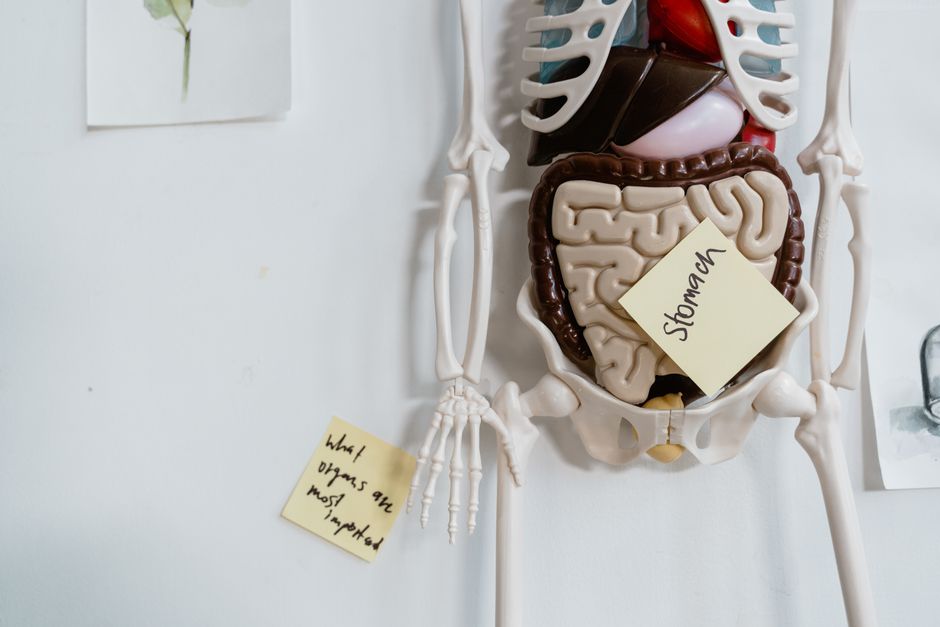
Stomach pain in men is common, but “stomach” can mean different things. It might be the digestive tract, the appendix, the kidneys, or even the heart. The meaning depends on where the pain is, how it feels, and what else is happening. Most causes are not emergencies, but some are. Knowing the difference matters because a few conditions need urgent care.
Where Exactly Is the Pain Located?
The location of the pain is the first clue. Pain in the upper center of the belly often points to the stomach itself or the esophagus. This area can hurt from acid reflux, gastritis, or an ulcer. Pain in the upper right side may involve the gallbladder or liver. Upper left side pain can involve the stomach or the pancreas tail.
Lower right abdominal pain is the classic location for appendicitis. Lower left pain can be from diverticulitis, especially in men over 40. Pain that wraps around to the back may signal pancreatitis or a kidney stone. Generalized pain across the whole belly is more typical of a virus, food poisoning, or gas.
Pain that starts in the middle of the belly and moves to the lower right side over several hours is a classic appendicitis pattern. This migration of pain is a well-established clinical sign. If you notice this pattern, seek medical attention promptly.
What Does It Mean When a Male Stomach Hurts With Heartburn or Indigestion?
Heartburn is a burning sensation behind the breastbone that often rises toward the throat. It happens when stomach acid flows backward into the esophagus. This is called gastroesophageal reflux, and it is one of the most common causes of upper belly discomfort in men.
Indigestion, or dyspepsia, is a different feeling. It is often described as fullness, bloating, or discomfort after eating. Men may feel full after only a small meal. This can happen occasionally after a heavy or spicy meal. When it happens regularly, it may indicate gastritis or an ulcer.
An ulcer is a sore in the lining of the stomach or the first part of the small intestine. The most common cause is a bacterial infection called H. pylori. Regular use of nonsteroidal anti-inflammatory drugs (NSAIDs) like ibuprofen or naproxen is another major cause. Ulcer pain often feels like a gnawing or burning ache. It may improve briefly after eating or taking antacids, then return.
Some research suggests that stress can worsen ulcer symptoms, but stress alone does not cause ulcers. The infection or the medication does. If you have frequent heartburn or indigestion that lasts more than two weeks, see a doctor. Persistent symptoms are not something to manage with over-the-counter antacids alone.
Could It Be Appendicitis or Gallbladder Disease?
Appendicitis is inflammation of the appendix, a small pouch attached to the large intestine. It is most common in people aged 10 to 30, but it can happen at any age. The pain usually starts near the belly button and moves to the lower right side within 12 to 24 hours. It often worsens with movement, coughing, or pressing on the area.
Appendicitis is a medical emergency. If the appendix bursts, it can cause a serious infection in the abdominal cavity. Other symptoms may include loss of appetite, nausea, vomiting, and a low fever. Not everyone has all these symptoms. If you suspect appendicitis, go to an emergency room. Do not wait to see if it passes.
Gallbladder disease causes pain in the upper right abdomen. The pain often comes in waves and may radiate to the right shoulder or between the shoulder blades. It frequently happens after eating a fatty meal. Gallstones are the most common cause. The pain usually lasts 30 minutes to several hours.
If gallbladder pain is accompanied by fever, yellowing of the skin or eyes, or clay-colored stools, this could indicate a blocked bile duct or infection. These are urgent conditions requiring immediate medical care.





When Stomach Pain Signals a Heart Problem
Some men are surprised to learn that a heart attack can feel like stomach pain. This is especially true for pain in the upper center of the abdomen. The medical term for this is epigastric pain. It can feel like severe indigestion or pressure that does not go away.
In men, classic heart attack symptoms include chest pain, shortness of breath, and pain radiating down the left arm. But atypical symptoms happen too. Upper belly pain, nausea, and sweating can be the only signs. This is more common in older men and in men with diabetes.
If you have upper stomach pain with any of these signs — shortness of breath, cold sweats, nausea, or pain spreading to the jaw, neck, or arm — call emergency services. Do not drive yourself to the hospital. Do not wait to see if antacids help.
What About Kidney Stones or Urinary Issues?
Kidney stones cause pain that many people describe as the worst pain they have ever felt. The pain typically starts in the flank, which is the side of the back just below the ribs. It can radiate downward toward the lower abdomen and groin as the stone moves. The pain comes in waves and can be severe enough to cause nausea and vomiting.
Men are more likely than women to develop kidney stones. The lifetime risk for men is about 11 percent, compared with about 9 percent for women. Risk factors include dehydration, a diet high in sodium or oxalates, and a family history of stones.
A urinary tract infection in men can also cause lower abdominal pain. This is less common in men than in women, but it happens. Symptoms may include a frequent urge to urinate, burning during urination, and cloudy or strong-smelling urine. Men with an enlarged prostate are at higher risk. If you have lower belly pain with urinary symptoms, see a doctor. A urine test can confirm the cause.
What Does It Mean When a Male Stomach Hurts From Gas or Constipation?
Gas pain is real and can be intense. It happens when gas builds up in the intestines and cannot pass easily. The pain can be sharp and localized, or it can feel like general cramping. It often moves around the belly. Passing gas or having a bowel movement usually brings relief.
Constipation is another common cause. It is defined as having fewer than three bowel movements per week, with stool that is hard and difficult to pass. Men often underreport constipation. They may instead describe bloating, a feeling of fullness, or a dull ache in the lower belly.
Gas and constipation are usually managed with dietary changes. Increasing fiber gradually, drinking more water, and getting regular physical activity help most people. Over-the-counter laxatives can be used short-term, but they are not a long-term solution. If constipation lasts more than three weeks despite these measures, medical evaluation is warranted.
Sudden, severe pain that comes with the inability to pass gas or stool could indicate a bowel obstruction. This is a serious condition. If the pain is severe and you cannot pass gas or have a bowel movement, seek emergency care.
When Should a Man See a Doctor for Stomach Pain?
Some stomach pain needs immediate emergency care. Go to an emergency room if you have pain that is severe or sudden, pain that prevents you from standing up straight, or pain accompanied by fever, persistent vomiting, blood in the stool or vomit, or a swollen, tender abdomen.
Make an appointment with a doctor if the pain lasts more than a few days, if it keeps coming back, or if it interferes with sleep or daily activities. Also see a doctor if you have unintentional weight loss, loss of appetite, or pain that wakes you from sleep at night.
Men over 50 should be especially attentive to new abdominal symptoms. Colon cancer screening is recommended starting at age 45 for average-risk adults. Changes in bowel habits, blood in the stool, or persistent abdominal discomfort should never be dismissed as just getting older.
If you are taking NSAIDs regularly and develop stomach pain, talk to your doctor. The pain may be from the medication. Your doctor can discuss alternatives or add a medication to protect the stomach lining.
Frequently Asked Questions
Why does my stomach hurt every time I eat?
Recurrent pain after eating may indicate gastritis, an ulcer, or gallbladder disease. If it happens consistently for more than two weeks, see a doctor for evaluation.
Can stomach pain be a sign of a heart attack?
Yes, upper abdominal pain can be an atypical sign of a heart attack, especially with nausea, sweating, or shortness of breath. Call emergency services if you have these symptoms together.
How do I know if my stomach pain is serious?
Seek emergency care for severe or sudden pain, pain with fever, vomiting, or blood, or a tender swollen belly. Pain that lasts more than a few days or keeps returning also needs medical evaluation.
What is the most common cause of stomach pain in men?
Indigestion, acid reflux, gas, and constipation are the most common everyday causes. These are usually not dangerous and often improve with dietary changes and over-the-counter remedies.
