
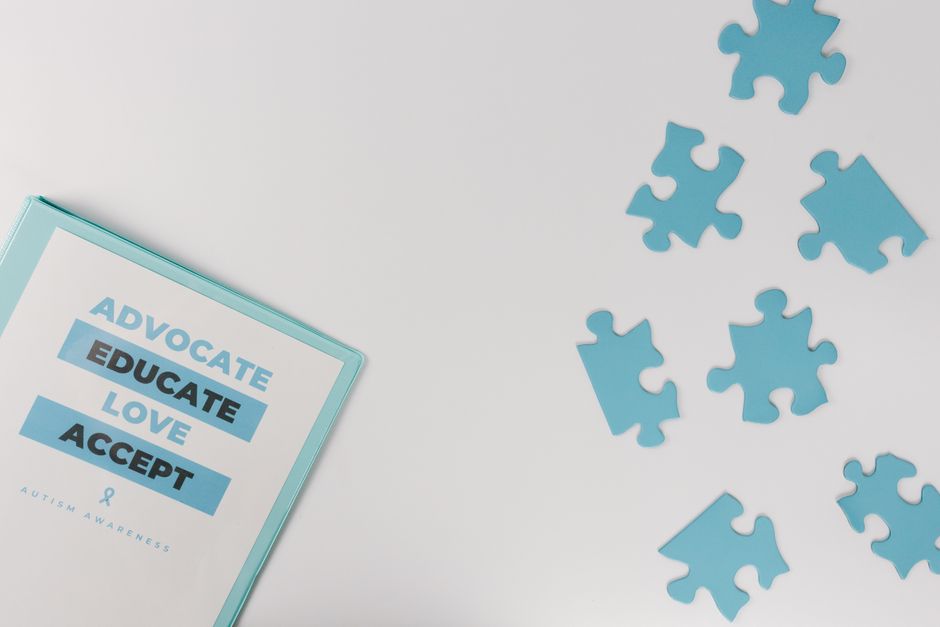
Being on the autism spectrum means a person’s brain processes information differently than most people’s. This affects how they communicate, interact with others, and experience the world around them. Autism is a developmental condition, meaning these differences show up early in life, though they may not become obvious until social demands increase. It is called a spectrum because the type and intensity of support a person needs varies widely from one individual to the next.
What Does It Mean To Be On The Autism Spectrum?
Autism spectrum disorder (ASD) is a neurological and developmental condition that affects how a person thinks, learns, and communicates. The word “spectrum” reflects the wide range of challenges and strengths that autistic people have. Some individuals need significant daily support, while others live independently, work, and raise families.
The core features of autism fall into two main areas: social communication and restricted or repetitive behaviors. These features are present in early childhood, but they can look very different across age groups and between individuals. A diagnosis requires a trained professional to observe these patterns and rule out other explanations.
What Are the Early Signs of Autism?
Early signs usually appear before age two, though parents may notice them earlier or later. A child might not respond to their name, avoid eye contact, or show little interest in playing with others. Delayed speech is common, but not universal — some autistic children talk early and fluently.
Other early signs involve repetitive movements like hand-flapping or rocking, intense interest in specific topics, and distress when routines change. Some children line up toys instead of playing with them imaginatively. These behaviors are not always obvious, and many children who show them do not have autism.
Research consistently shows that early identification helps. When children receive support early, they often develop better communication and coping skills. If you have concerns about a child’s development, discuss them with a pediatrician rather than waiting to see if the child outgrows them.
How Is Autism Diagnosed?
There is no blood test or brain scan for autism. Diagnosis is based on behavioral observation and developmental history. A psychologist, psychiatrist, or developmental pediatrician conducts a comprehensive evaluation that includes interviews with parents and structured play-based assessments with the child.
For adults who suspect they are autistic, the process involves a detailed review of childhood history and current difficulties. Many adults seek evaluation after recognizing their own patterns in descriptions of autism or after their child receives a diagnosis. A formal diagnosis can provide clarity and access to accommodations, though it is not required to identify as autistic.
Some clinicians recommend a multidisciplinary approach, where a speech therapist and occupational therapist contribute to the evaluation. This gives a fuller picture of the person’s strengths and needs across different settings.



What Causes Autism?
Autism has strong genetic roots. Studies of twins and families consistently show that inherited factors play a major role. Researchers have identified dozens of genes linked to autism, and in some cases, specific genetic changes can be traced to a single cause.
Environmental factors may also contribute, but no single cause has been identified. Advanced parental age and certain pregnancy complications are associated with higher likelihood, though these do not cause autism directly. The scientific consensus is clear that vaccines do not cause autism — this claim has been studied extensively and repeatedly disproven.
The current understanding is that autism arises from a combination of genetic predisposition and early brain development. Brain imaging studies show differences in how autistic brains grow and connect, but these findings are not used for diagnosis. They simply confirm that autism is a biological condition, not a result of parenting style or emotional trauma.
How Does Autism Affect Daily Life?
Autistic people often experience the world more intensely. Sounds, lights, textures, and smells that others barely notice can be overwhelming or even painful. This sensory sensitivity can make everyday settings like grocery stores, classrooms, or offices exhausting to navigate.
Social interaction takes real effort for many autistic people. Reading facial expressions, understanding sarcasm, or knowing when it is their turn to speak does not come naturally. This is not a lack of interest in connecting with others — many autistic people deeply value relationships but find the unspoken rules of socializing confusing.
Routine and predictability provide comfort. When plans change unexpectedly, it can trigger genuine distress. This is why many autistic people develop detailed schedules or strong preferences for familiar foods, routes, and activities.
Communication differences are also part of daily life. Some autistic people are nonverbal and use communication devices or sign language. Others speak fluently but take language literally, missing implied meanings. Many autistic people also experience “masking,” where they hide their natural behaviors to appear more neurotypical — a practice that research links to higher rates of anxiety and exhaustion.
What Strengths Are Associated With Autism?
Autism is a disability, but it also comes with distinctive strengths. Many autistic people show remarkable attention to detail, deep focus on areas of interest, and strong memory for facts. These traits can be genuine assets in academic, technical, and creative work.
Honesty is another commonly noted strength. Autistic people often say what they mean without social filtering, which can be refreshing in personal and professional relationships. Some are highly systematic thinkers who excel at spotting patterns that others miss.
It is important not to romanticize autism or use these strengths to minimize the challenges. The reality is that many autistic people have both exceptional abilities and significant difficulties. A person can be gifted at programming while struggling to manage basic daily tasks like grocery shopping or making a phone call.
How Is Autism Supported and Treated?
Autism is not an illness to be cured. The goal of support is to help autistic people live fulfilling lives while developing skills that make daily functioning easier. Most experts agree that approaches should build on the person’s interests and respect their autonomy.
Behavioral therapies like Applied Behavior Analysis (ABA) are widely used, but they are also debated within the autistic community. Some autistic adults report that ABA caused lasting harm by forcing them to suppress natural behaviors. Others say it helped them learn essential skills. The evidence on ABA is mixed, and current best practice emphasizes consent, positive reinforcement, and reducing distress rather than making an autistic child appear “normal.”
Speech therapy helps with communication, whether that means developing spoken language, using augmentative devices, or learning conversational turn-taking. Occupational therapy addresses sensory regulation and daily living skills. Many autistic people also benefit from mental health support, as anxiety and depression occur at higher rates in the autistic population.
Accommodations in school and the workplace can make a significant difference. These might include quiet workspaces, written instructions instead of verbal ones, flexible scheduling, or permission to wear noise-canceling headphones. Some clinicians recommend these accommodations based on individual need, though research on their comparative effectiveness is still developing.
Medication does not treat autism itself, but it can help with specific co-occurring conditions. For example, some autistic people take medication for anxiety, depression, or attention difficulties. No medication has been shown to reduce core autism traits, and claims that any supplement or diet “cures” autism are not supported by clinical evidence.
What Is the Outlook for Autistic People?
With appropriate support, most autistic people can learn, work, and build meaningful relationships. Outcomes vary widely and depend on factors like intellectual ability, access to services, and the presence of co-occurring conditions. Some autistic adults live fully independently; others live with family or in supported housing.
What matters most is not the severity of the diagnosis but the quality of support and acceptance a person receives. Research consistently shows that autistic people who are accepted and understood by their families and communities have better mental health outcomes than those who are pressured to hide their autism.
The autistic adult community has become increasingly vocal in recent years, advocating for neurodiversity — the idea that autism is a natural human variation rather than a defect. This perspective does not deny that autism can be disabling. It simply holds that the goal should be support and inclusion, not erasure of autistic identity.
Frequently Asked Questions
Can someone be diagnosed with autism as an adult?
Yes, many adults receive an autism diagnosis later in life, often after recognizing their own patterns or after their child is diagnosed.
Is autism the same as being introverted or shy?
No, autism involves specific differences in social communication, sensory processing, and behavior patterns that go far beyond shyness.
Do all autistic people have intellectual disability?
No, autism and intellectual disability are separate conditions, and many autistic people have average or above-average intelligence.
Can autism improve with age?
Autism is a lifelong condition, but skills and coping strategies can improve significantly with support and practice over time.
