
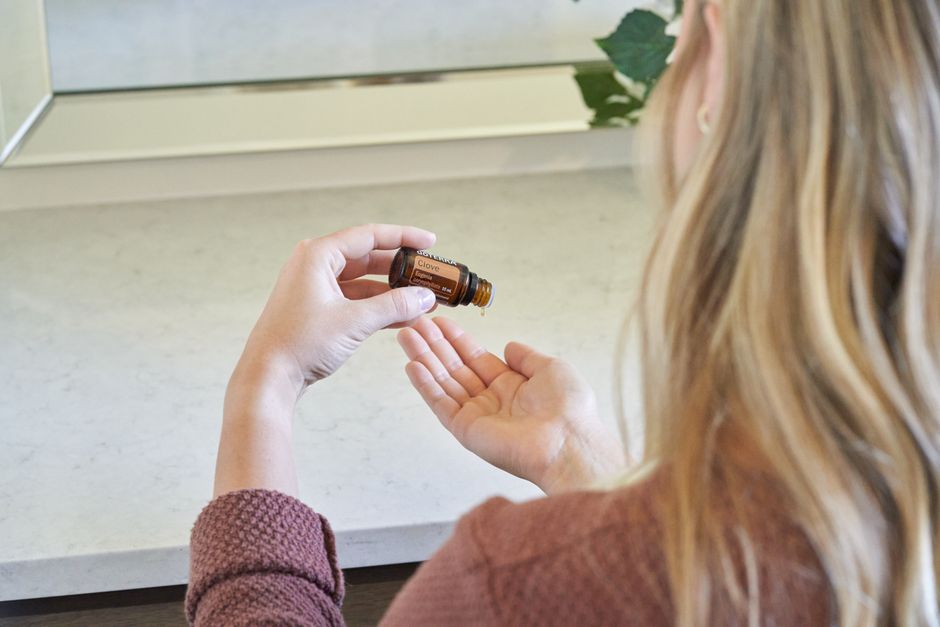
To use clove on your face for clear glowing skin, you must dilute clove essential oil with a carrier oil like jojoba or coconut oil — never apply it undiluted. A common recipe is 2 drops of clove oil mixed with 1 tablespoon of honey and 1 teaspoon of aloe vera gel, applied as a mask for 10 minutes once or twice a week. Spot treatments using a diluted clove oil (1 drop clove oil in 1 teaspoon carrier oil) can be dabbed on individual blemishes. Clove contains eugenol, a compound with antimicrobial and antioxidant properties, but it can also cause skin irritation if used too often or in high concentrations. For most people, clove is an occasional helper for acne, not a daily skincare routine.
What makes clove good for your skin?
Clove comes from the dried flower buds of the Syzygium aromaticum tree. Its main active compound, eugenol, gives clove its strong scent and its medicinal properties. Eugenol has been studied for its ability to fight certain bacteria and fungi. In a laboratory setting, clove oil has shown activity against Propionibacterium acnes, the bacteria involved in acne. This is why clove is sometimes promoted as a natural acne treatment.
Clove also has antioxidant effects. Antioxidants help neutralize free radicals — unstable molecules that can damage skin cells and contribute to premature aging. Some research suggests eugenol can reduce inflammation by blocking certain inflammatory pathways. That could help calm red, swollen pimples.
But there is a catch. Most of this evidence comes from lab studies or animal research. Human skin is more complex. A compound that works on bacteria in a petri dish may not work the same way on your face, especially when mixed with other ingredients or diluted. And eugenol itself can be irritating — in fact, it is a known skin sensitizer. The same compound that fights acne can also cause redness, itching, or even a chemical burn if used wrongly.
Is there evidence that clove helps acne or skin glow?
The evidence is limited. A few small human studies have tested clove-based creams for acne. One study published in a dermatology journal found that a cream containing clove extract reduced acne lesions compared to a placebo after 8 weeks. However, the sample size was small, and the cream contained many other ingredients. So it is hard to say clove alone was responsible.
No large, well-designed clinical trial has confirmed that clove oil or clove masks produce clear glowing skin. The glowing skin claims are mostly based on the idea that clove can unclog pores (through its mild exfoliating effect) and reduce bacteria (through antimicrobial action). But exfoliation from clove is not well documented. The antioxidants might help with overall skin health over time, but direct evidence for a “glow” effect is missing.
Many dermatologists advise caution. They point out that eugenol is a common cause of allergic contact dermatitis. The risk of irritation often outweighs the potential benefit, especially for people with sensitive skin. Some natural skincare marketers overstate clove’s benefits, using phrases like “naturally clears acne” without solid proof. It is honest to say: clove may help some people with occasional pimples, but it is not a proven solution for clear glowing skin.
How to use clove on face for clear glowing skin?
If you decide to try clove, safety comes first. Never apply undiluted clove essential oil to your skin. It can cause burns, blisters, and permanent scarring. Always dilute it with a carrier oil (like jojoba, coconut, or sweet almond oil) or mix it into a mask.
Basic dilution ratio: 1 drop of clove essential oil per 1 teaspoon (about 5 ml) of carrier oil. For a face mask, use 1-2 drops of clove oil mixed with 1 tablespoon of honey (natural antibacterial) and 1 teaspoon of aloe vera gel (soothing). Apply to clean skin, leave for 10 minutes, then rinse with warm water. Do this no more than twice a week.
Spot treatment: Mix 1 drop of clove oil with 1 teaspoon of carrier oil. Dab a small amount onto each pimple using a clean cotton swab. Leave on overnight if you can tolerate it. Remove in the morning with a gentle cleanser. Stop if you feel any burning or stinging.
Face wash: Add 1 drop of clove oil to your regular cleanser (about a pea-sized amount) each time you wash. This gives a mild antimicrobial boost without direct contact. Rinse well and follow with moisturizer.
Important: Always do a patch test first. Apply the diluted mixture to a small area on your inner arm or behind your ear. Wait 24 hours. If you see any redness, itching, or bumps, do not use it on your face. Also, avoid the eye area and any broken skin.





What are the risks of putting clove on your face?
The biggest risk is skin irritation. Eugenol is a strong compound. Even when diluted, it can cause redness, burning, peeling, or allergic reactions. People with eczema, rosacea, or very sensitive skin are at higher risk. A chemical burn from undiluted clove oil is possible and can leave a dark mark or scar that takes months to fade.
Clove oil can also increase sun sensitivity. Some compounds in essential oils make your skin more prone to sunburn. If you use clove on your face, wear sunscreen daily. Do not be surprised if you get a breakout from clove — some people get contact dermatitis that looks like acne (called acne venenata).
Ingesting clove oil is dangerous. Essential oils are highly concentrated and can cause poisoning if swallowed. Keep them away from children and pets. If you accidentally get clove oil in your eyes, flush with cool water for 15 minutes and seek medical attention.
There is also a risk of interaction. Clove oil has antiplatelet effects (it can slow blood clotting). If you take blood thinners like warfarin, or have a bleeding disorder, consult your doctor before using clove oil on your skin. The amount absorbed through skin is small, but caution is wise.
Who should avoid clove on their face?
People with sensitive skin or skin conditions. If you have eczema, psoriasis, rosacea, or a history of allergic reactions to fragrances or spices, clove is probably not for you. It can trigger flare-ups.
Pregnant and breastfeeding women. There is not enough safety data on topical clove oil during pregnancy. The FDA classifies clove oil as “generally recognized as safe” for food use, but topical application is different. Avoid it during pregnancy unless your doctor approves it.
Children and infants. Their skin is thinner and more absorbent. Clove oil can cause severe irritation. Do not use it on children under 2 years old.
People with allergies to spices. If you are allergic to cinnamon, basil, or nutmeg, you may also react to clove. These plants share similar compounds. Do a patch test first.
If you have very oily or acne-prone skin, clove might still be risky. Some people find that clove initially dries out pimples but then causes rebound oiliness or irritation that leads to more breakouts. Start slowly and pay attention to how your skin responds.
Frequently Asked Questions
Can I put clove oil directly on acne?
No. Undiluted clove oil can burn your skin and cause permanent scarring. Always dilute 1 drop of clove oil in at least 1 teaspoon of carrier oil before applying it to a pimple.
How often should I use clove on my face?
Once or twice a week is enough. Using it more often increases the risk of irritation without added benefit. If your skin is sensitive, start with once a week.
Can clove oil lighten dark spots?
No clinical evidence supports this. Clove’s antioxidants might help with overall skin tone over time, but it is not a treatment for hyperpigmentation. Do not expect dark spots to fade from clove use.
Is clove safe for all skin types?
No. Clove is not safe for sensitive, eczema-prone, or damaged skin. It can cause allergic reactions even in normal skin if used too often or undiluted. Always patch test first.
