
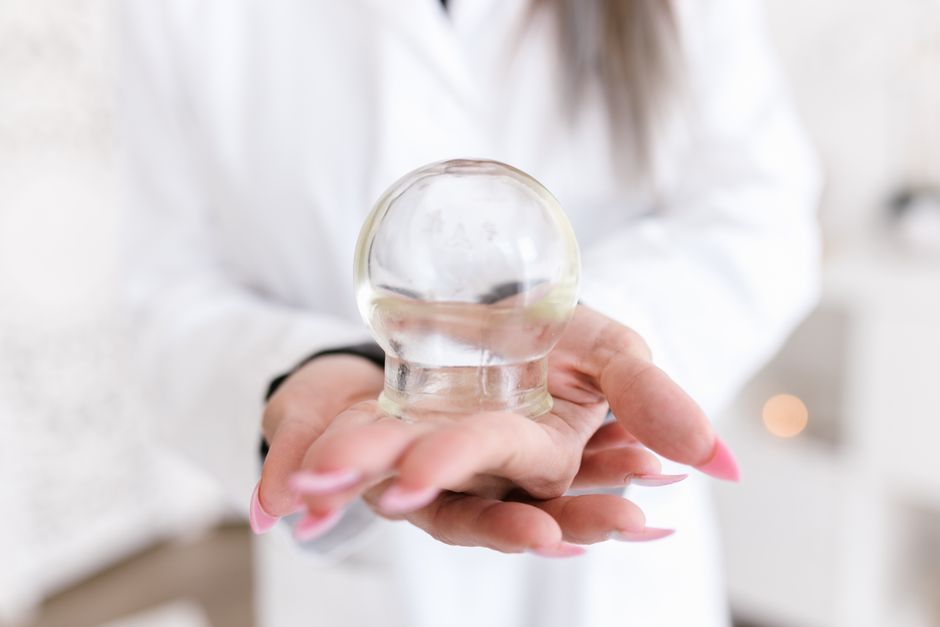
Cupping therapy uses suction to pull the skin and underlying tissue upward. The suction creates circular marks that many people mistake for bruises. This therapy has been used in traditional Chinese medicine for thousands of years, and it has become a popular treatment among athletes, celebrities, and people seeking relief from muscle pain. The question is not whether cupping leaves marks — it does — but whether those marks translate into real, measurable benefits. Research shows cupping may help with certain types of pain, but the evidence for many other claims is still limited.
How Does Cupping Actually Work?
During a cupping session, a practitioner places glass, plastic, bamboo, or silicone cups on your skin. They create suction by heating the cup or using a pump. The suction pulls the skin upward and increases blood flow to the area.
This increased blood flow is the main mechanism behind cupping. When blood rushes to the cupped area, it brings oxygen and nutrients while removing waste products. The suction also stretches the fascia — the connective tissue that surrounds muscles, bones, and organs. Some researchers believe this stretching helps release tension and improve mobility.
There are two main types of cupping. Dry cupping uses suction alone. Wet cupping involves making small cuts in the skin before applying the cup, allowing a small amount of blood to be drawn out. Wet cupping is more invasive and carries a higher risk of infection.
What Does Cupping Do For You?
Cupping is most commonly used for pain relief. Studies have examined cupping for neck pain, back pain, shoulder pain, and headaches. Some research suggests cupping may reduce pain intensity and improve function in people with chronic neck and back pain.
The exact reason cupping helps with pain is not fully understood. The gate control theory suggests that the sensation of suction and stretching may interfere with pain signals traveling to the brain. Another theory is that cupping triggers a relaxation response, which reduces muscle tension and stress.
Beyond pain, some people report that cupping helps with relaxation and a sense of well-being. This may be related to the physical sensation and the focused attention of the treatment session. However, these subjective benefits are difficult to measure in research studies.
What Conditions Is Cupping Used For?
Cupping is used for a wide range of conditions, but not all of them have strong scientific support. The most studied uses include:
- Neck and back pain
- Shoulder pain
- Headaches and migraines
- Muscle tension and stiffness
- Respiratory conditions like cough and asthma
- Digestive issues
- Skin conditions like acne and eczema
For pain conditions, the evidence is the strongest. Some clinical trials have found cupping more effective than no treatment for chronic neck and back pain. But the quality of these studies varies, and it is hard to design a proper placebo for cupping. A person knows whether they are receiving cupping or not, which makes blinded studies difficult.
For respiratory, digestive, and skin conditions, the evidence is much weaker. Most of the support comes from traditional use and small studies. No large, high-quality trials have confirmed that cupping treats asthma, acne, or digestive problems.





Does Cupping Actually Work for Pain?
Some research suggests cupping works for pain, but the effect may not be as large as proponents claim. A 2018 analysis of multiple studies found that cupping reduced pain intensity compared to no treatment or standard care. However, when cupping was compared to sham cupping — a fake version of the treatment — the difference was smaller.
This matters. It means some of the pain relief people experience may come from the placebo effect. The expectation of relief, the therapeutic touch, and the relaxation response all contribute to how a person feels after treatment. That does not mean the pain relief is imaginary. Placebo effects are real physiological responses. But it does mean cupping may not be uniquely better than other treatments that also trigger these responses.
Some clinicians recommend cupping as part of a broader pain management plan. It is often combined with massage, stretching, and exercise. Cupping alone is rarely presented as a complete treatment for chronic pain.
What Do the Marks Mean?
The circular marks left by cupping are caused by broken blood vessels beneath the skin. The suction pulls blood to the surface, and the blood pools in small areas. This is not a bruise in the traditional sense. A bruise comes from impact and trauma. The cupping mark comes from suction drawing blood to the surface.
Practitioners sometimes interpret the color of the marks as meaningful. Darker marks are often said to indicate stagnation or poor circulation. Lighter marks are thought to mean less stagnation. No scientific evidence supports this interpretation. The color of the mark is more likely related to the strength of the suction, the duration of the treatment, and individual differences in skin sensitivity and blood vessel fragility.
The marks typically fade within a few days to two weeks. They are not harmful, but they can be noticeable. If you have an event or an important appearance coming up, consider whether the marks will be visible.
Is Cupping Safe?
Cupping is generally safe when performed by a trained practitioner. Side effects are usually mild and temporary. The most common side effects are the circular marks, mild soreness, and skin irritation.
More serious complications are rare but possible. These include burns from fire cupping, skin infections, and scarring. Wet cupping carries a higher infection risk because it breaks the skin. If needles or cups are not properly sterilized, there is a risk of bloodborne infections.
Cupping is not safe for everyone. Avoid cupping if you have:
- Bleeding disorders or take blood thinners
- Open wounds or skin infections
- Deep vein thrombosis
- Severe anemia
- Cancer that has spread to the skin
- Epilepsy
Pregnant women should avoid cupping on the abdomen and lower back. If you have any chronic health condition, talk to your doctor before trying cupping. This is especially important if you take medications that affect bleeding.
What Should You Expect During a Session?
A typical cupping session lasts 15 to 30 minutes. The practitioner places several cups on the treatment area. You will feel a pulling or stretching sensation as the suction engages. This should not be painful. If it hurts, tell the practitioner and they can reduce the suction.
After the cups are removed, the marks will be visible immediately. You may feel relaxed or slightly sore. Most people can return to normal activities right away. Some practitioners recommend drinking extra water after a session to stay hydrated.
There is no standard number of sessions. Some people feel relief after one session. Others need several sessions to notice a difference. No clinical guidelines currently exist for how many cupping sessions are optimal for any condition.
What Are the Alternatives to Cupping?
If you are considering cupping for pain, several other treatments have stronger evidence behind them. Physical therapy, massage, and exercise have all been shown to help with chronic pain. Over-the-counter pain relievers like acetaminophen and ibuprofen are effective for many types of pain. Heat therapy can relax tense muscles.
Acupuncture, which comes from the same tradition as cupping, has more research supporting its use for certain pain conditions. Some studies have found acupuncture helpful for chronic back pain, neck pain, and osteoarthritis pain.
Cupping does not need to be an either-or choice. Many people use it alongside other treatments. If you find cupping relaxing and it seems to help your symptoms, there is no strong reason to stop — as long as you are being treated by a qualified practitioner and you are not using it instead of proven medical care for a serious condition.
What Does the Research Really Show?
The honest answer is that cupping research is still developing. Some studies show promise for pain relief, but the overall quality of the evidence is moderate at best. Many studies have small sample sizes, and the difficulty of creating a convincing placebo for cupping complicates the results.
Large, well-designed trials are needed before cupping can be recommended with confidence for any specific condition. Until then, the evidence supports using cupping as a complementary therapy — something you try alongside conventional treatment, not instead of it.
If you decide to try cupping, choose a licensed practitioner with proper training. Ask about their experience, their sterilization procedures, and what they expect the treatment to accomplish. A good practitioner will be honest about what cupping can and cannot do.
Frequently Asked Questions
Does cupping hurt?
Cupping should not be painful, though you will feel a pulling or stretching sensation when the suction is applied. If it becomes painful, the practitioner can reduce the pressure.
How long do cupping marks last?
Cupping marks typically fade within a few days to two weeks. The duration depends on the strength of the suction and your individual skin sensitivity.
Can cupping be done at home?
Home cupping sets are available, but it is safer to see a trained practitioner. Incorrect suction strength or placement can cause burns, skin damage, or ineffective treatment.
How often should you get cupping done?
No clinical guidelines exist for how often you should get cupping. Some practitioners recommend weekly sessions for acute issues and monthly sessions for maintenance, but this is based on practice tradition rather than research evidence.
