
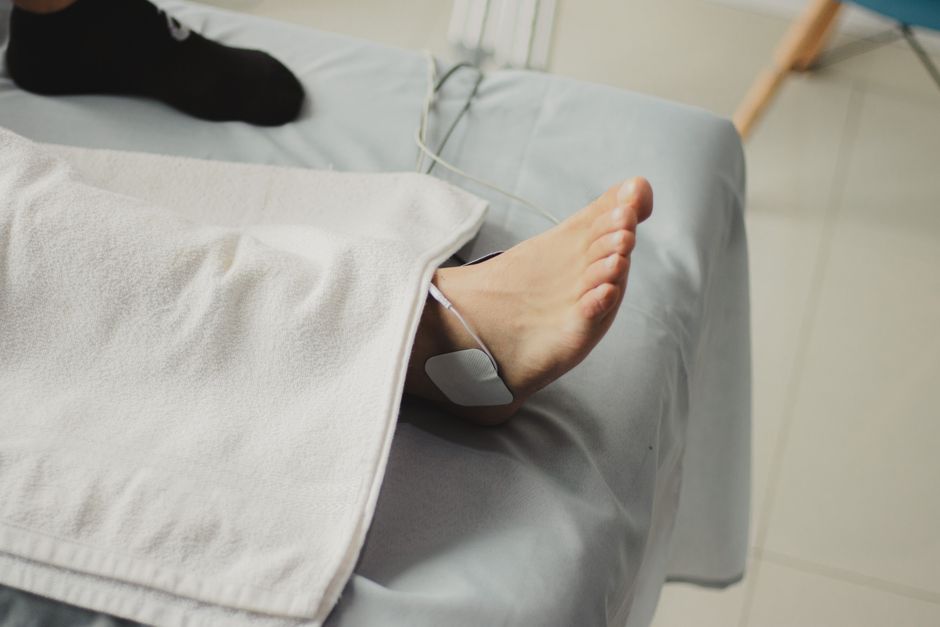
Shin splints stop you from running because the muscles and tendons along your shinbone are overloaded. The fastest way to stop the pain is to reduce the load immediately, then address the cause before you run again. Most runners can return to pain-free running within two to six weeks if they follow a structured recovery plan.
What Are Shin Splints Exactly?
Shin splints is the common name for medial tibial stress syndrome. The pain runs along the inner edge of the tibia, the large bone in your lower leg. It happens when the muscles that attach to the shinbone are pulled repeatedly. That pulling causes inflammation in the tissue that connects muscle to bone.
The condition is an overuse injury. It is not a stress fracture, though the two are sometimes confused. A stress fracture is a small crack in the bone itself. Shin splints involve the soft tissue around the bone. The pain from shin splints usually spreads across a broad area. Stress fracture pain is usually sharp and focused on one specific spot.
If you press along your shin and feel pain across a wide area, it is likely shin splints. If the pain is in one small point and hurts when you hop on that leg, see a doctor. A bone stress injury needs different treatment.
How To Stop Shin Splints Fast And Return To Running
The fastest way to stop shin splint pain is to stop the activity that caused it. That means no running for a few days. Continuing to run through shin splint pain makes the injury worse and extends your recovery time.
During those rest days, apply ice to the painful area for 15 to 20 minutes several times a day. Ice reduces inflammation and numbs the pain. Over-the-counter anti-inflammatory medication can help, but check with your doctor first, especially if you have other health conditions.
Light activity that does not cause pain is fine. Walking, swimming, and cycling keep you moving without pounding your shins. The rule is simple: if it hurts, stop. Pain is a signal that the tissue is still irritated.
Why Do Shin Splints Happen In The First Place?
Shin splints are almost always a training error. The most common cause is a sudden increase in running distance, frequency, or intensity. Your muscles and bones adapt to stress slowly. When you add too much too quickly, the tissue cannot keep up.
Running on hard surfaces contributes to the problem. Concrete and asphalt transmit more force up your leg than trails or a track. Worn-out shoes also play a role. Shoes lose their cushioning and support after roughly 300 to 500 miles of use. Running in old shoes increases the impact your shins absorb.
Biomechanics matter too. Flat feet or high arches change how your foot strikes the ground. Tight calf muscles pull harder on the shinbone with every step. Weak hip and core muscles alter your running form in ways that add stress to your lower legs.




What Actually Relieves Shin Splint Pain Quickly
Ice is the fastest pain reliever for shin splints. It works by reducing blood flow to the inflamed area, which decreases swelling and numbs nerve endings. Apply ice for no more than 20 minutes at a time to avoid damaging your skin.
Gentle stretching of the calf muscles can help, but only after the acute pain has started to settle. Stretching a severely inflamed muscle makes things worse. Wait a few days after the pain peaks before you start stretching.
A compression sleeve or wrap can provide some relief during daily activities. It supports the muscles and may reduce the pulling sensation on the bone. Do not wear it while running unless your doctor or physical therapist recommends it.
Massage of the calf muscles can help once the initial inflammation has calmed down. Deep massage of the shin itself is not recommended. The tissue there is thin and easily irritated. Focus massage on the calf and the muscles on the outer side of your lower leg.
How To Strengthen Your Shins To Prevent Shin Splints
Once the pain is mostly gone, strengthening exercises are the key to staying pain-free. The goal is to build up the muscles that support your shin so they can handle running load again.
The single most effective exercise is the calf raise. Stand with your feet shoulder-width apart. Rise up onto your toes slowly, hold for a second, then lower back down. Do three sets of 15 repetitions. This strengthens the calf muscles, which take pressure off the shin.
Toe raises target the muscles on the front of your shin directly. Sit in a chair with your feet flat on the floor. Lift your toes toward your shins, hold for a second, then lower. Do three sets of 20 repetitions.
Resistance band exercises add another layer of protection. Loop a band around a fixed object and hook it over the top of your foot. Pull your toes toward you against the band’s resistance. This strengthens the anterior tibialis, the main muscle on the front of your shin.
Do these exercises daily once the acute pain has settled. They are not difficult and they make a real difference in preventing a repeat injury.
How To Return To Running After Shin Splints
Returning to running too early is the biggest mistake runners make. You should be completely pain-free during walking and daily activities before you lace up your shoes again. That usually takes one to two weeks of rest.
Start with a run-walk program. Run for one minute, then walk for two minutes. Repeat that cycle for 15 to 20 minutes total. If you feel any shin pain during the run, stop and rest another few days. If you feel no pain, gradually increase the running time and decrease the walking time over the next two weeks.
Do not increase your total weekly mileage by more than 10 percent. This is a widely used guideline in running medicine. It gives your bones and soft tissue time to adapt to the increased load.
Pay attention to your running form. Land with your foot closer to your body rather than reaching out in front of you. A shorter stride with a quicker cadence reduces the impact force on your shins.
Run on softer surfaces when you can. Grass, dirt trails, and rubber tracks absorb more shock than asphalt or concrete. Alternate hard and soft surfaces during the week to vary the load on your legs.
When To See A Doctor For Shin Pain
Most shin splints resolve with rest and gradual return to activity. But some cases need professional care. See a doctor if the pain does not improve after two weeks of rest, if the pain is severe enough to affect your normal walking, or if you notice swelling or redness in the area.
Also see a doctor if the pain changes character. Sharp pain in one specific spot, pain that wakes you at night, or pain that gets worse rather than better with rest could indicate a stress fracture. A doctor can order imaging to confirm the diagnosis.
Physical therapy is worth considering if you have had shin splints more than once. A physical therapist can assess your gait, identify muscle imbalances, and give you a specific strengthening program. This is especially valuable if your foot strike or running mechanics contribute to the problem.
What Not To Do When You Have Shin Splints
Do not run through the pain. This is the most common mistake and it turns a two-week recovery into a two-month one. Pain means tissue damage is happening. Running through it causes more damage.
Do not stretch aggressively in the first few days. Stretching an inflamed muscle pulls on already irritated tissue. Wait until the pain has settled before you stretch.
Do not switch to a new pair of shoes and immediately run a long distance. New shoes change your foot mechanics. Give your body time to adapt by wearing them for short walks first.
Do not ignore the problem hoping it will go away. Shin splints that are left untreated can progress to a stress fracture. That injury requires six to eight weeks of complete rest from running.
Frequently Asked Questions
Can I run with shin splints?
No, running with shin splints makes the injury worse and extends recovery time. Rest from running until you can walk without pain.
How long do shin splints take to heal?
Most shin splints heal within two to six weeks with proper rest and gradual return to activity. Severe cases can take longer.
Does ice help shin splints?
Yes, ice reduces inflammation and numbs pain. Apply it for 15 to 20 minutes several times a day during the first few days.
Should I stretch shin splints?
Wait a few days after the pain peaks before stretching. Gentle calf stretches help once acute inflammation has settled.
