
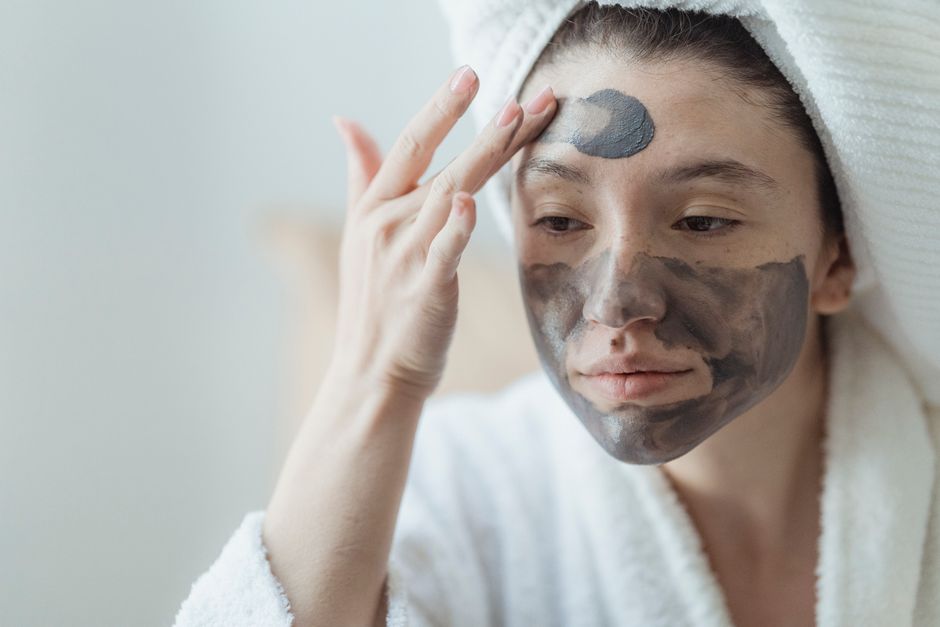
Charcoal cleansers are skincare products that use activated charcoal to pull dirt, oil, and other impurities from the surface of your skin. The charcoal acts like a magnet, binding to excess sebum and debris so they can be rinsed away with water. While they can be effective for oily and acne-prone skin, they are not a miracle treatment, and they are not right for every skin type.
How Does Activated Charcoal Work in a Cleanser?
Activated charcoal is not the same as the charcoal you use on a barbecue. It is a fine black powder made by heating carbon-rich materials, like coconut shells or wood, at very high temperatures. This process creates a substance with a large surface area full of tiny pores.
Those pores are what do the work. Think of them like tiny sponges. When you massage a charcoal cleanser onto wet skin, the charcoal attracts and traps oil, dead skin cells, and everyday grime. This process is called adsorption. The impurities stick to the charcoal, and then you wash them down the drain.
This mechanism is real and well understood. Charcoal has been used in medicine for decades to absorb toxins in emergency situations. However, what works inside the digestive tract does not automatically translate to the surface of the skin. The skin is a barrier, not a sponge. A cleanser only touches the top layers of skin, so it can only remove what is sitting on the surface.
What Does Charcoal Cleanser Do For Your Skin?
Charcoal cleansers primarily do one thing well: they remove surface oil. For people with oily skin, this can leave the face feeling cleaner and looking less shiny. By pulling excess sebum away from the skin’s surface, the cleanser can also help clear out pores that are clogged with oil and dead skin cells.
This makes charcoal cleansers a reasonable option for managing blackheads and mild breakouts. When pores are not blocked, they are less likely to become inflamed pimples. Some research suggests that activated charcoal can bind to certain toxins and chemicals, but there is no solid evidence that it can “detoxify” your skin in any meaningful medical way.
What a charcoal cleanser cannot do is penetrate deep into the pore to remove what is already trapped there. The cleanser works on the surface. It can help prevent pores from clogging further, but it will not shrink pore size or erase existing blackheads completely. Pore size is largely determined by genetics, and nothing you apply to the skin will permanently change it.
Who Should Use a Charcoal Cleanser?
Charcoal cleansers are best suited for people with oily or combination skin. If your T-zone (forehead, nose, and chin) gets shiny by midday, a charcoal cleanser used a few times a week can help manage that oil. It is also a reasonable choice for teenagers and adults who get frequent blackheads.
People with dry or sensitive skin should be cautious. Charcoal cleansers are often formulated with other strong ingredients, and the deep-cleaning effect can strip the skin of its natural oils. This can leave dry skin feeling tight, flaky, or irritated. If you have rosacea, eczema, or a history of allergic reactions to skincare, a charcoal cleanser may be too harsh for you.
There is no clinical guideline that says who should or should not use a charcoal cleanser. The decision comes down to how your skin responds. If a cleanser leaves your face feeling tight and uncomfortable, that is a sign it is removing too much oil. Stop using it and switch to a gentler formula.





How Often Should You Use a Charcoal Cleanser?
Most people do not need to use a charcoal cleanser every day. Once or twice a week is usually enough to manage oil without stripping the skin. Daily use can disrupt the skin barrier, which is the protective outer layer that keeps moisture in and irritants out.
When the skin barrier is damaged, you can actually get more breakouts, not fewer. The skin tries to compensate for the lost moisture by producing even more oil. This is why some people find that aggressive cleansing makes their acne worse.
If you are using other active ingredients like retinol, salicylic acid, or benzoyl peroxide, be careful. Combining a charcoal cleanser with these products can be very drying. If you use both, consider using the charcoal cleanser in the morning and your other treatment at night, or alternate days. Watch how your skin reacts and adjust accordingly.
What Are the Risks and Side Effects?
Charcoal cleansers are generally safe for most people when used correctly. The main risk is over-drying the skin, which can lead to redness, flaking, and irritation. Some people may also experience contact dermatitis, which is an allergic reaction to an ingredient in the cleanser, not necessarily the charcoal itself.
If you have sensitive skin, do a patch test first. Apply a small amount of the cleanser to the inside of your forearm or behind your ear. Wait 24 hours. If you see redness, itching, or a rash, do not use it on your face.
There is no evidence that charcoal cleansers are dangerous. But they are also not regulated as drugs. They are cosmetics. That means the claims on the label have not been reviewed by the FDA for safety or effectiveness. A product can say “detoxifying” or “pore purifying” without any proof behind those words.
Do Charcoal Cleansers Actually “Detox” the Skin?
No. The word “detox” is marketing language, not a medical term. Your skin does not need to be detoxed. Your liver and kidneys perform that function for your entire body. The skin is an organ of protection, not a waste-removal system.
What a charcoal cleanser can do is remove surface impurities like makeup, sweat, pollution particles, and excess oil. That is beneficial for keeping pores clear, but it is not a detox. Sweat does contain small amounts of waste products, but the amounts are negligible compared to what your kidneys and liver process.
Some studies have looked at whether activated charcoal can absorb heavy metals or environmental pollutants from the skin. The evidence is very limited. There is no large human study confirming that a charcoal face wash removes toxins from the body. If a product claims to “pull toxins” from your blood or organs through your skin, that claim is not supported by science.
What Are the Best Alternatives to Charcoal Cleansers?
If a charcoal cleanser is too harsh or just not working for you, there are other ingredients with more research behind them.
- Salicylic acid is a beta hydroxy acid that penetrates into the pore and dissolves the oil and dead skin cells that cause blackheads. It is one of the most studied ingredients for acne.
- Benzoyl peroxide kills the bacteria that cause acne and helps clear blocked pores. It is available over the counter in strengths from 2.5% to 10%.
- Glycolic acid is an alpha hydroxy acid that exfoliates the surface of the skin. It can improve texture and tone but does not penetrate pores the way salicylic acid does.
- Niacinamide is a form of vitamin B3 that helps regulate oil production and calm inflammation. It is gentler than charcoal and suitable for sensitive skin.
These ingredients have clinical evidence behind them for treating acne and oily skin. Charcoal does not have the same level of research. That does not mean charcoal is useless. It just means the evidence for its effectiveness is mostly anecdotal and based on its physical properties rather than large clinical trials.
How to Get the Most Out of a Charcoal Cleanser
Use lukewarm water, not hot water. Hot water strips the skin of moisture. Massage the cleanser into damp skin with your fingertips for about 30 to 60 seconds. Do not scrub. The charcoal does the work, not the friction. Rinse thoroughly and pat your face dry with a clean towel.
Follow up with a moisturizer. This is essential, even if you have oily skin. A lightweight, oil-free moisturizer will replace the moisture the cleanser removed and keep your skin barrier healthy. Skipping moisturizer can lead to rebound oil production.
Use sunscreen every morning. Charcoal cleansers can make your skin more sensitive to the sun because they remove the protective layer of oil. Sunscreen with SPF 30 or higher is a non-negotiable part of any skincare routine.
Frequently Asked Questions
Can charcoal cleanser remove blackheads?
It can help prevent blackheads by removing surface oil, but it will not remove blackheads that are already formed. Salicylic acid is more effective for treating existing blackheads.
Is charcoal cleanser safe for sensitive skin?
It can be too harsh for sensitive skin because it strips natural oils. If you have sensitive skin, do a patch test first and use the cleanser only once a week.
How often should I use a charcoal cleanser?
Most people should use it once or twice a week. Daily use can dry out your skin and actually increase oil production.
Does charcoal cleanser help with acne?
It can help with mild acne by keeping pores clear of excess oil and debris. For moderate to severe acne, you should see a dermatologist for treatments with proven effectiveness.
