
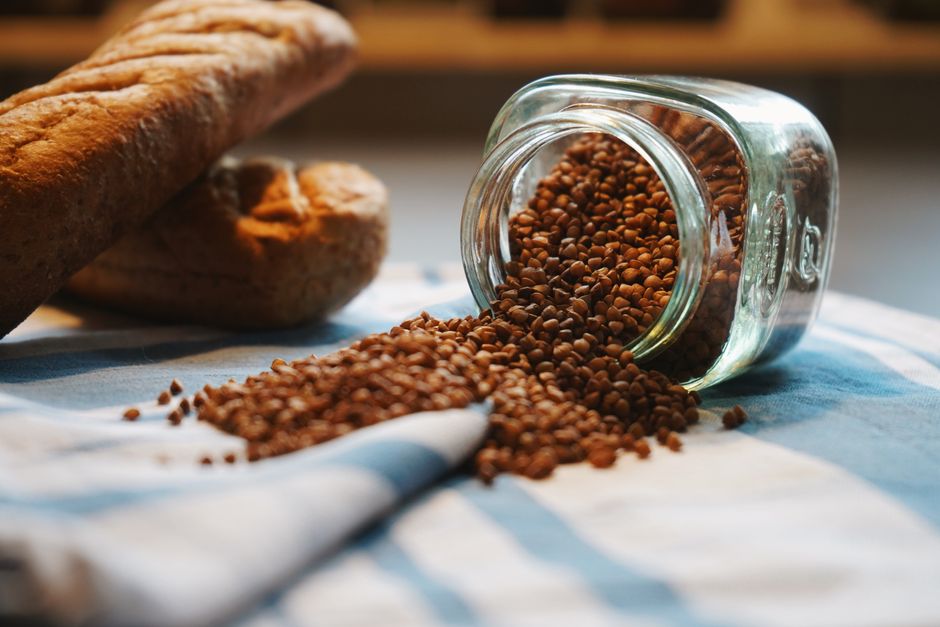
Buckwheat has a distinct, earthy, and nutty flavor that is often described as slightly grassy or similar to toasted grains. Unlike many wheat-based products, it carries a noticeable bitterness that some people find appealing and others find too strong. The taste changes depending on how it is prepared, with raw buckwheat groats being milder and toasted buckwheat, known as kasha, having a much deeper, more roasted flavor.
What Does Buckwheat Taste Like Compared to Other Grains?
Buckwheat does not taste like standard wheat flour. It has a more complex profile. White wheat flour is neutral and mild. Buckwheat is bold and savory.
People often compare it to the taste of barley or oats, but with more character. The closest comparison is to a mix between toasted sunflower seeds and whole wheat. It has a rustic quality that pairs well with earthy ingredients like mushrooms, cabbage, and root vegetables.
The bitterness is the defining trait. This comes from natural compounds called tannins and rutin. The level of bitterness varies by brand and by whether the hull is still partially attached. Lighter colored buckwheat flour tends to be milder. Darker flour has a stronger, more assertive flavor.
Does Raw Buckwheat Taste Different From Toasted Buckwheat?
Yes. The difference is significant enough that they should be treated as two different ingredients.
Raw buckwheat groats are the hulled seeds. They are pale green or tan in color. Their flavor is mild, slightly grassy, and almost neutral. Some people describe raw groats as tasting like a very subtle version of oatmeal. This makes them useful in recipes where you do not want the buckwheat flavor to dominate.
Toasted buckwheat, commonly called kasha, is the same seed that has been roasted. The roasting process brings out a deep, smoky, and intensely nutty flavor. The bitterness becomes more pronounced. The texture also changes, becoming crunchier. Kasha is the traditional form used in Eastern European cooking, where it is often served as a savory porridge or mixed with onions and butter.
If you have only tried one form, you have not fully experienced buckwheat.
What Is the Texture of Buckwheat?
Texture matters as much as taste when deciding if you will like buckwheat.
Cooked buckwheat groats are soft but retain a slight chew. They do not turn mushy like rice that has been overcooked. Each groat holds its shape reasonably well, which makes buckwheat a good base for salads and grain bowls.
Buckwheat flour, on the other hand, produces baked goods that are denser than those made with regular wheat flour. This is because buckwheat contains no gluten. Gluten is the protein that gives bread its stretchy, airy structure. Without it, baked goods made entirely from buckwheat flour tend to be crumbly and heavy.
Most commercial buckwheat products, such as soba noodles, blend buckwheat flour with wheat flour to improve texture. Pure buckwheat soba noodles exist but are more fragile and require careful handling.





Is Buckwheat Bitter? Why Does It Taste That Way?
Buckwheat has a noticeable bitterness, but it is not overwhelming. The bitterness is part of its appeal for many people.
The bitter taste comes from several naturally occurring compounds. Rutin and tannins are the main contributors. These are plant compounds that act as antioxidants. The amount of these compounds varies depending on the variety of buckwheat and how it was processed.
Some people are more sensitive to bitter tastes than others. This is partly genetic. If you find the bitterness unpleasant, there are ways to reduce it. Rinsing raw groats thoroughly before cooking helps. Toasting raw groats lightly in a dry pan can also mellow the flavor. Adding a pinch of salt to the cooking water balances the bitterness without masking it completely.
Interestingly, the bitterness is less noticeable in cold preparations. Buckwheat salads served with a tangy vinaigrette often taste less bitter than hot buckwheat porridge.
How Do You Cook Buckwheat So It Tastes Good?
Buckwheat is simple to cook, but the method matters.
For raw groats, use a ratio of about one part buckwheat to two parts water. Bring the water to a boil, add the groats and a pinch of salt, then reduce the heat to a simmer. Cover and cook for about 10 to 15 minutes. The groats are done when they are tender and have absorbed the water. Fluff with a fork before serving.
For kasha, the toasted groats, the same ratio works, but the cooking time is slightly shorter. Kasha cooks in about 10 minutes. Many traditional recipes call for mixing the kasha with a beaten egg before cooking. This coats each groat and keeps them separate, preventing a sticky, porridge-like texture.
Buckwheat absorbs flavor well. Cooking it in broth instead of water adds depth. A splash of soy sauce, a pat of butter, or a drizzle of olive oil after cooking rounds out the flavor. Herbs like thyme and dill pair naturally with buckwheat’s earthy notes.
Buckwheat flour is used differently. It does not behave like all-purpose flour. When baking, it is often combined with other flours to improve structure. A common approach is to replace 25 to 50 percent of the wheat flour in a recipe with buckwheat flour. This adds flavor while maintaining a workable texture.
What Are the Health Benefits of Buckwheat?
Buckwheat is not a grain. It is a seed from a plant related to rhubarb. Despite this, it is used like a grain and is often called a pseudocereal.
Nutritionally, buckwheat is a solid choice. It is a good source of complex carbohydrates and provides a moderate amount of protein. The protein in buckwheat contains all nine essential amino acids, which is uncommon for plant foods. This makes it a valuable protein source for people following vegetarian or vegan diets.
Buckwheat is also rich in dietary fiber. Fiber supports digestive health and helps maintain steady blood sugar levels. Some research suggests that buckwheat has a low glycemic index, meaning it does not cause rapid spikes in blood sugar. This is relevant for people managing type 2 diabetes.
The seed contains several minerals, including magnesium, copper, and manganese. Magnesium is involved in hundreds of bodily processes, including muscle function and blood pressure regulation. Copper and manganese support bone health and antioxidant defenses.
Rutin, the compound responsible for some of the bitterness, is a flavonoid with antioxidant properties. Some studies indicate that rutin may support cardiovascular health by improving blood vessel function. However, the evidence is not strong enough to make specific health claims. Eating buckwheat as part of a balanced diet is reasonable. Expecting it to treat or prevent disease is not supported by current evidence.
Buckwheat is naturally gluten-free. This makes it a safe option for people with celiac disease or non-celiac gluten sensitivity. However, you must check the packaging. Some commercial buckwheat products are processed in facilities that also handle wheat, which creates a risk of cross-contamination.
How Do You Use Buckwheat in Everyday Cooking?
Buckwheat is more versatile than many people realize. It works in sweet and savory dishes.
For breakfast, cooked buckwheat groats can be served like oatmeal. Add milk, a drizzle of maple syrup, and fresh fruit. The nutty flavor holds up well against sweet toppings.
For lunch, cold buckwheat salads are excellent. Cook the groats, let them cool, then toss with chopped vegetables, herbs, and a simple vinaigrette. The groats stay firm enough that the salad does not turn soggy.
For dinner, buckwheat is a satisfying side dish. Serve it alongside roasted chicken, grilled fish, or sautéed mushrooms. It also works as a stuffing for bell peppers or a base for grain bowls.
Soba noodles are the most well-known buckwheat product. They are a staple of Japanese cuisine and can be served hot in broth or cold with a dipping sauce. The flavor of soba is milder than cooked groats, making it an approachable entry point for people new to buckwheat.
Buckwheat flour is used to make crepes in French cuisine, particularly in Brittany. These crepes are savory and are traditionally filled with cheese, ham, and eggs. The flour also appears in pancakes, where its nutty flavor pairs well with berries and honey.
Frequently Asked Questions
Does buckwheat taste like wheat?
No. Buckwheat has a stronger, earthier, and nuttier flavor with a slight bitterness. Wheat is mild and neutral by comparison.
Is buckwheat sweet or savory?
Buckwheat is primarily savory and earthy. It has no natural sweetness, though it works well in sweet dishes when paired with ingredients like fruit or maple syrup.
Why does my buckwheat taste bitter?
The bitterness comes from natural compounds called tannins and rutin. Toasting the groats lightly or rinsing them before cooking can reduce the bitter taste.
Can you eat buckwheat raw?
Raw buckwheat groats can be eaten after soaking, such as in overnight oats or raw granola. They are milder in flavor but should be rinsed first.
