
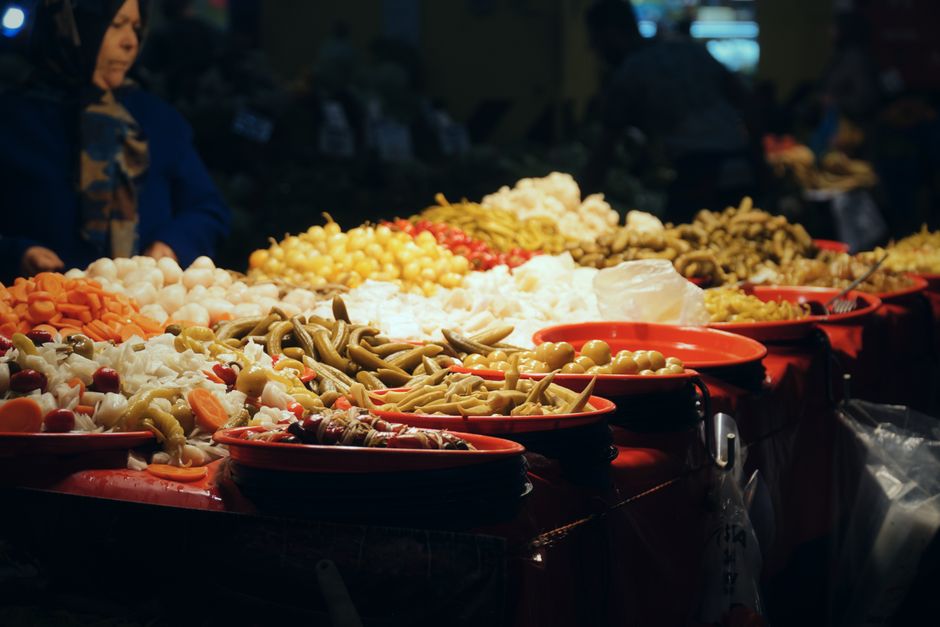
Fermented food tastes sour first, then builds into a deeper savory note called umami. The sharp tang comes from acids produced during fermentation, while umami develops as proteins break down into amino acids. Most fermented foods land somewhere on that spectrum — some lean heavily sour, others are mostly savory, and many sit right in the middle.
Why Does Fermentation Create Sour and Umami Flavors?
Fermentation happens when microorganisms — bacteria, yeast, or molds — break down sugars and proteins in food. This process is not random. It follows predictable biological steps that directly shape flavor.
Lactic acid bacteria are responsible for most sour flavors. These bacteria consume sugars and convert them into lactic acid. That acid is what makes sauerkraut, kimchi, yogurt, and sour pickles taste tangy. The longer fermentation runs, the more acid builds up, and the sourer the food becomes.
Umami develops through a separate process. Enzymes from the microorganisms break down proteins into smaller pieces called amino acids. One amino acid in particular — glutamate — is the main driver of umami taste. The same compound gives tomatoes, aged cheese, and soy sauce their savory depth.
So sour comes from acids. Umami comes from amino acids. Both happen during fermentation, but they progress at different rates and depend on different starting materials. Foods high in sugar ferment sour quickly. Foods high in protein need more time to develop strong umami.
What Does Each Type of Fermented Food Taste Like?
Different fermented foods sit at different points on the sour-to-umami spectrum. Knowing where each one lands helps you predict what you are getting into before your first bite.
- Yogurt and kefir — primarily sour, with mild savory notes. The dairy base provides some protein breakdown, but the lactic acid dominates.
- Sauerkraut and kimchi — strongly sour with a background of savory. Fresh batches taste mostly acidic. Aged batches develop more depth as proteins break down.
- Sourdough bread — mildly sour with a nutty, savory finish. The long fermentation develops both acids and amino acids, which is why sourdough tastes more complex than regular bread.
- Soy sauce and miso — intensely umami with low sourness. These ferment for months or years, giving proteins ample time to break down into glutamates.
- Tempeh and natto — earthy, nutty, and savory. Natto has a strong ammonia-like edge that some people find challenging.
- Fermented hot sauces — sour upfront, then hot, then savory. The chili peppers provide sugars for acid production and proteins for umami development.
The pattern is simple: short fermentations taste sour. Long fermentations taste savory. Foods with more protein produce more umami. Foods with more sugar produce more acid.
Why Do Some Fermented Foods Taste Bitter or Funky?
Not every flavor in fermented food is sour or umami. Bitterness and funk show up regularly, and they are not signs that something went wrong.
Bitterness often comes from specific amino acids and peptides released during protein breakdown. Some of these compounds taste bitter on their own. This is why certain aged cheeses, like blue cheese or aged cheddar, have a sharp bite that is distinct from sourness.
Funk comes from additional compounds produced during fermentation. Esters create fruity notes. Sulfur compounds create eggy or meaty aromas. Certain bacteria produce compounds that smell barnyard-like or earthy. These are normal byproducts, not contamination.
One important distinction: sour is not the same as spoiled. Spoiled food tastes unpleasant because of harmful bacteria that produce toxins and decay compounds. Fermented food tastes sour because of controlled acid production. The acid actually prevents harmful bacteria from growing. If a fermented food tastes truly rotten — not just sour or funky — trust your nose and your stomach.




How Does Fermentation Time Change the Flavor Profile?
Time is the single biggest factor in how a fermented food tastes. The same recipe can produce wildly different flavors depending on how long you let it ferment.
A short fermentation — a few days — produces mostly sour flavors. The bacteria are actively converting sugars into acid. Protein breakdown has barely started. The result is bright, tangy, and one-dimensional.
A medium fermentation — a few weeks — develops more balance. Acids are still present, but amino acids have started accumulating. The food gains a savory undertone that rounds out the sharpness.
A long fermentation — months to years — shifts the balance toward umami. Acid production slows as sugars run out. Protein breakdown continues. The final product tastes deeply savory with only a hint of sourness. Soy sauce aged for two years tastes dramatically different from a quick-fermented version.
Temperature matters too. Cooler fermentation slows everything down, producing milder flavors. Warmer fermentation speeds up both acid and protein breakdown, creating stronger, funkier results.
What Does Fermented Food Taste Like Sour To Umami — How Do You Adjust?
If you are trying fermented foods for the first time, start with the milder options. Yogurt, sourdough bread, and fresh sauerkraut are gentle entry points. They give you the sour experience without overwhelming funk.
If you want to move toward umami, try aged versions of foods you already eat. Aged cheddar has more umami than fresh mozzarella. Aged soy sauce has more depth than the standard grocery store bottle. Miso paste adds instant savory depth to soups and dressings.
If you are fermenting at home, you control the flavor by controlling time. Taste your ferment every few days. Stop it when it reaches the sourness you enjoy. Move it to the refrigerator to slow fermentation down and hold the flavor where you want it.
One practical tip: pair sour fermented foods with something rich or fatty. The acid cuts through fat and brightens the whole dish. Kimchi with pork, sauerkraut with sausage, yogurt with olive oil — these combinations work because the flavors balance each other.
Is Umami in Fermented Food the Same as MSG?
Yes, essentially. MSG — monosodium glutamate — is the purified sodium salt of glutamic acid. The umami in fermented food comes from the same compound in its natural form.
When you taste umami in soy sauce, Parmesan cheese, or fermented fish sauce, you are tasting glutamate. It is the identical molecule that gives MSG its savory flavor. The difference is concentration and context.
Fermented foods contain glutamate naturally as a result of protein breakdown. MSG is simply that same amino acid isolated and combined with sodium. The flavor is not artificial. It is a naturally occurring taste that humans have sought out for thousands of years through fermentation.
This is why fermented foods pair so well with so many dishes. The umami they provide is the same savory depth that makes food satisfying. It is not a flavor enhancer in the artificial sense. It is a fundamental taste that our tongues are wired to detect.
Frequently Asked Questions
Why does fermented food taste sour?
Lactic acid bacteria convert sugars into lactic acid during fermentation, and that acid creates the sour taste. The longer fermentation continues, the more acid builds up and the more sour the food becomes.
What does umami taste like in fermented food?
Umami tastes savory, meaty, or brothy — like the depth you get from aged cheese or soy sauce. It comes from glutamate, an amino acid released when fermentation breaks down proteins.
Is all fermented food sour?
No. Short fermentations taste mostly sour, but long fermentations shift toward umami as proteins break down. Soy sauce and miso ferment for months or years and taste deeply savory with very little sourness.
How can I make fermented food less sour?
Shorten the fermentation time and move the food to the refrigerator once it reaches your preferred taste. Cold temperatures slow down acid production and hold the flavor where you want it.
