
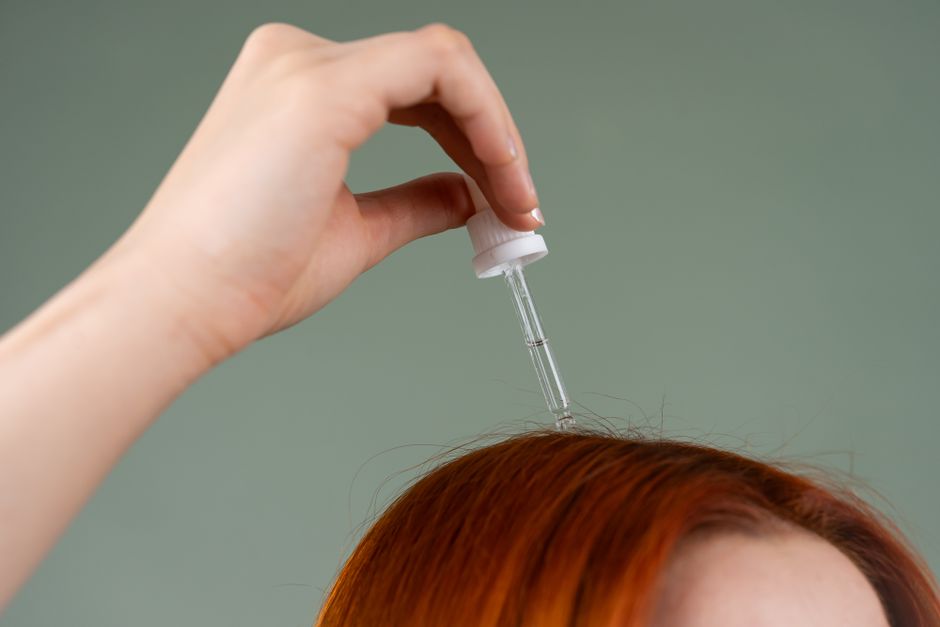
Batana oil is a plant-based oil taken from the nuts of the American oil palm, a tree native to Central and South America. People primarily use it on hair and scalp with the goal of reducing hair loss, softening strands, and adding shine. While traditional use is common in regions like Honduras, modern clinical research on its specific effects is very limited, so many of its benefits are based on anecdotal reports rather than large scientific studies.
Where Does Batana Oil Come From?
Batana oil comes from the fruit of the Elaeis oleifera palm, which is different from the more common African oil palm. Indigenous communities in Central America, particularly in Honduras, have used this oil for generations. It is often called “the miracle oil” in local markets, but that name reflects cultural tradition rather than a scientifically proven effect.
The oil is typically extracted by boiling or pressing the nuts. The final product has a dark brown or reddish color and a strong, earthy, nutty smell. Some commercial products mix batana oil with other carrier oils, so it is important to check the ingredient list if you want pure oil.
Because the supply is relatively small and the production process is labor-intensive, genuine batana oil is often more expensive than common oils like coconut or jojoba. That higher price alone does not mean it works better.
What Does Batana Oil Do For Hair?
Batana oil is used as a moisturizing and conditioning treatment. The fatty acids in the oil can coat the hair shaft, which helps reduce water loss from the strand. This makes hair feel softer and look shinier shortly after application. That mechanical effect is well understood and is not unique to batana oil — most plant oils can do this to some degree.
The bigger claim is that batana oil stimulates hair growth or stops hair loss. There is no reliable clinical trial data confirming that batana oil alone can regrow hair or treat conditions like androgenetic alopecia (pattern baldness). What the oil can do is improve the condition of the hair you already have. Healthier, better-moisturized hair is less prone to breakage, which means it may appear thicker and longer over time even though the growth rate at the root has not changed.
Some users report that their scalp feels less dry and itchy after regular use. This is plausible because oils can act as an emollient, softening the skin and reducing flaking caused by dryness. However, if you have seborrheic dermatitis or a fungal scalp condition, adding oil can sometimes make things worse rather than better.
The Fatty Acid Profile and How It Works
Batana oil contains a mix of saturated and unsaturated fatty acids. It is particularly rich in oleic acid, which is a monounsaturated fat also found in olive oil. Oleic acid penetrates the hair shaft more deeply than some other fatty acids, which may explain why people report softer hair after use.
It also contains palmitic acid, stearic acid, and smaller amounts of linoleic acid. These fats help form a protective layer over the hair cuticle. This layer smooths down the raised scales on the outside of each strand, which reduces frizz and makes hair reflect light better — that is the shine people notice.
One important point: coating the hair with oil does not repair damage that is already done. If the hair cuticle is already broken or split, oil can temporarily smooth it, but it cannot rebuild the protein structure. Split ends remain split until they are trimmed.
There is no proven mechanism by which the oil reaches the hair follicle deep in the scalp and changes the growth cycle. The skin’s outer layer is designed to keep things out, and oils do not penetrate deeply enough to reach the follicle bulb where hair growth actually happens.

How to Use Batana Oil Safely
If you want to try batana oil, the application method matters. Use it as a pre-wash treatment or a leave-in conditioner on the mid-lengths and ends of your hair, not on the scalp unless you know your scalp tolerates oils well.
A common approach is to warm a small amount of oil between your palms and apply it to damp hair. Leave it on for 30 minutes to a few hours, then wash it out with shampoo. Some people leave a tiny amount in as a styling aid, but using too much can leave hair greasy and heavy.
For scalp application, start slowly. Apply a few drops directly to the scalp and massage gently. Watch for any redness, itching, or breakouts over the next few days. If your scalp is prone to acne or folliculitis, oils can clog pores and worsen the problem.
There is no standard clinical dose for batana oil because it is not a regulated treatment. The amount you use depends on your hair length, thickness, and how your hair responds. Start with a small amount and adjust based on how your hair feels.
What the Research Actually Shows
The honest answer is that batana oil has not been studied in large, controlled human trials for hair growth. Most of what we know comes from traditional use, user reports, and laboratory analysis of the oil’s composition. That does not mean the oil is useless — it means we cannot confidently claim it treats hair loss.
Some research suggests that certain plant oils, like coconut oil, reduce protein loss from hair when used before washing. Batana oil has a similar fatty acid structure, so it may have comparable effects, but no direct comparative study has confirmed this specifically for batana oil.
Claims that batana oil can cure baldness, reverse gray hair, or dramatically regrow hair in weeks are not supported by evidence. Gray hair is determined by melanocyte activity in the follicle, and no topical oil has been shown to restore pigment. Be skeptical of marketing that promises these outcomes.
If you are experiencing noticeable hair thinning or sudden hair loss, see a doctor or dermatologist first. Conditions like thyroid disease, iron deficiency, or hormonal changes can cause hair loss, and those need medical evaluation. An oil alone will not fix an underlying medical issue.
Batana Oil vs. Other Hair Oils
How does batana oil compare to more common options? Here is a quick look at how it stacks up against oils you may already have in your kitchen or bathroom.
| Oil Type | Main Fatty Acid | Best Known For | Evidence Level |
|---|---|---|---|
| Batana oil | Oleic acid | Softening, shine, traditional use | Limited clinical data |
| Coconut oil | Lauric acid | Reducing protein loss before washing | Some clinical evidence |
| Argan oil | Oleic and linoleic acid | Frizz control, shine | Limited but widely used |
| Jojoba oil | Erucic acid (wax ester) | Scalp conditioning, non-greasy feel | Limited clinical data |
| Castor oil | Ricinoleic acid | Thickening appearance | No strong evidence for growth |
The takeaway is that no plant oil has strong scientific backing for stimulating new hair growth. What oils do well is condition the hair and scalp. Choose an oil based on how it feels on your hair, your budget, and whether you like the scent — not on marketing claims.
Who Should Skip Batana Oil?
If you have a known allergy to nuts, batana oil may trigger a reaction. The American oil palm is not a tree nut, but people with severe nut allergies should still patch test before using it widely. Apply a small amount to the inside of your forearm and wait 24 hours to see if any redness or itching develops.
People with oily scalps or dandruff caused by fungal overgrowth may find that oils make flaking worse. If your scalp is already inflamed or itchy, see a dermatologist before adding any new oil to your routine.
If you have fine, thin hair, batana oil may weigh it down. Use a very small amount and focus on the ends rather than the roots. For coarse, thick, or curly hair, the heavier texture is often more welcome.
What to Look For When Buying Batana Oil
Check the label for purity. Some products labeled “batana oil” are actually blends with cheaper oils like mineral oil or fragrance added. Look for single-ingredient oil or a product that clearly states the percentage of batana oil.
Unrefined, cold-pressed oil retains more of its natural color and smell. Refined versions are lighter in color and have a milder scent, but the refining process may remove some of the naturally occurring compounds. Neither version is proven better for hair — it is mostly a preference issue.
Be wary of very low prices. Genuine batana oil requires a significant amount of nuts to produce a small amount of oil. If the price seems too good to be true, the product is likely diluted.
Frequently Asked Questions
Can batana oil regrow hair?
No clinical evidence currently confirms that batana oil regrows hair. It can condition existing hair and reduce breakage, which may make hair appear fuller, but it has not been proven to stimulate new growth at the follicle.
How often should I use batana oil on my hair?
Most users apply it once or twice a week as a pre-wash treatment. There is no established clinical guideline, so start with once weekly and adjust based on how your hair responds.
Is batana oil safe for all hair types?
It is generally safe for most people, but those with fine hair may find it too heavy. People with nut allergies or active scalp conditions should patch test first or consult a dermatologist.
Does batana oil help with gray hair?
No study has shown that batana oil restores natural pigment to gray hair. Graying is caused by loss of melanocyte activity in the follicle, and no topical oil has been proven to reverse that process.
