
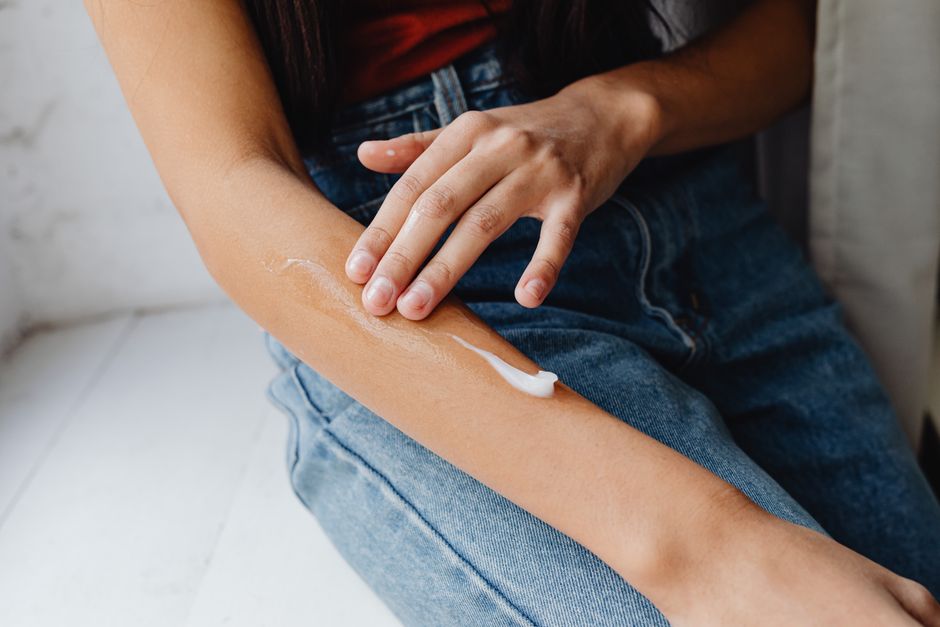
Argan oil is a plant oil pressed from the kernels of the argan tree, which grows almost exclusively in Morocco. Used on skin, it works mainly as an emollient and occlusive — it slows water loss from the skin’s surface and makes skin feel smoother. It also contains vitamin E and fatty acids that have antioxidant activity in laboratory studies. What it does not do is reverse wrinkles, rebuild collagen, or act as a substitute for proven anti-aging ingredients like sunscreen and retinoids.
What Does Argan Oil Do For Skin Moisture Aging More?
Argan oil’s best-supported role is as a moisturizer. It reduces transepidermal water loss — the steady escape of water through the outer skin layer — by forming a thin lipid film on the surface. That is a real, measurable effect, and it is the same basic mechanism behind many emollient creams and oils.
The oil is roughly 80 percent unsaturated fatty acids, with oleic acid and linoleic acid making up most of that. It also contains tocopherols, which are forms of vitamin E. These compounds are antioxidants in a test tube. Whether they deliver meaningful antioxidant benefit when applied to intact human skin is a different question, and the evidence there is much thinner.
Here is the distinction that matters most: moisturizing and anti-aging are not the same thing. Well-moisturized skin looks plumper and reflects light better, so fine lines appear less noticeable. That is a temporary cosmetic effect from water retention in the outer layer. It is not a change in skin structure. No oil, argan included, has been shown in controlled human trials to reduce wrinkles, firm skin, or increase collagen the way a prescription retinoid can.
How Does Argan Oil Compare To Other Skin Oils?
Argan oil sits in the middle of the pack among cosmetic oils in terms of how heavy it feels. It is lighter than coconut oil or castor oil and absorbs faster than many, which is one reason it is popular for facial use. Its fatty acid profile is high in oleic acid, similar to olive oil, but it contains more linoleic acid than olive oil does.
Linoleic acid matters because the outer skin barrier is naturally rich in it. Some research suggests that oils high in linoleic acid support barrier function better than oils dominated by oleic acid, though this has mostly been studied in specific contexts like infant massage and not established as a general rule for adult facial skin.
A practical comparison of common skin oils:
- Argan oil — medium weight, high oleic acid, contains vitamin E, generally well tolerated on facial skin
- Jojoba oil — actually a liquid wax, chemically closer to human sebum, often well tolerated by acne-prone skin
- Coconut oil — heavier, high in lauric acid, can clog pores in some people and is not ideal for facial use if you break out easily
- Rosehip oil — contains trans-retinoic acid naturally, but at concentrations far too low to match a prescription retinoid
- Mineral oil — one of the most effective occlusives for preventing water loss, though it contains no fatty acids or antioxidants
If your goal is simply to reduce dryness, plain petrolatum or mineral oil outperforms most plant oils as an occlusive. If your goal is a lighter feel with some antioxidant content, argan is a reasonable choice. Neither one is doing anything to the deeper layers of your skin.
Does Argan Oil Actually Reduce Wrinkles Or Signs Of Aging?
No controlled human trial has shown that argan oil reduces wrinkles. This is the honest position, and it is worth stating plainly because a lot of marketing implies otherwise.
Wrinkles form mainly from two processes: loss of collagen and elastin in the dermis over time, and cumulative ultraviolet damage from sun exposure. Argan oil applied to the surface does not penetrate deeply enough to affect either one in a meaningful way. Even if it did reach the dermis, there is no evidence it stimulates collagen production.
The antioxidant content is where most anti-aging claims originate. Vitamin E and related compounds can neutralize free radicals in a laboratory dish. But skin is not a laboratory dish. Getting an antioxidant from the surface of the skin into the living layers at a concentration high enough to matter is a genuine scientific problem, and it has not been solved for argan oil.
What argan oil can do is make dry, flaky skin look healthier. Dry skin accentuates fine lines. Hydrated skin does not. So there is a real visual difference — just not the kind that shows up on a wrinkle measurement scale.





Can Argan Oil Help With Acne Or Sensitive Skin?
Argan oil is generally considered low on the comedogenic scale, meaning it is less likely to clog pores than heavier oils. That is not the same as being non-comedogenic for everyone. Individual responses vary, and some people with acne-prone skin find that any added oil worsens their breakouts.
The oleic acid content is worth noting here. Oleic acid can be mildly irritating to some skin and has been associated with barrier disruption in certain studies. If you have sensitive or reactive skin, patch test any new oil on a small area before applying it to your face.
For people with eczema or dermatitis, emollients are a legitimate part of managing dryness, and oils can serve that purpose. But argan oil is not a treatment for these conditions. If you have a diagnosed skin condition, the products your dermatologist recommends are the ones with evidence behind them.
What Does The Research Actually Show?
Most published studies on argan oil are small, and a number of them were conducted by researchers with ties to the argan oil industry or to Moroccan agricultural interests. That does not make the findings false, but it is a reason to weigh them carefully.
Some studies suggest argan oil has a modest effect on skin hydration when applied topically. A few small trials have looked at its use in specific populations, including postmenopausal women, and reported improvements in skin elasticity. These trials were small, and independent replication is limited. That is the accurate way to describe the state of the evidence: suggestive but not strong.
Research published on argan oil’s antioxidant and anti-inflammatory properties has largely been done in cell cultures and animal models. Those findings are interesting for scientists but do not translate directly into claims about what happens on human skin.
What is well established is simpler: argan oil is an emollient. It softens skin and slows water loss. That is a genuine benefit for dry skin, and it does not require a clinical trial to confirm because the mechanism is basic physics and chemistry.
How Should Argan Oil Be Used, And What Are The Risks?
Argan oil is typically applied to clean skin, often as the last step in a routine so it can sit on top and slow water loss. Some people mix a few drops into a moisturizer. There is no established clinical guideline for how much to use or how often, because argan oil is a cosmetic ingredient, not a medication.
Risks are low but not zero:
- Allergic contact dermatitis — possible with any botanical oil, though argan is not among the most common culprits
- Breakouts — some people with acne-prone skin react poorly to added oils
- Irritation — more likely if the oil is applied to broken or inflamed skin
- Contamination — oils without preservatives can go rancid; check the smell and discard if it turns
One thing argan oil does not do is replace sunscreen. If slowing visible skin aging is your goal, daily sun protection has far more evidence behind it than any oil or cream. Ultraviolet exposure is the single largest driver of premature skin aging, and no topical oil changes that.
If you are pregnant or breastfeeding, no clinical guidelines specifically address topical argan oil use. Small amounts applied to the skin are unlikely to be absorbed in meaningful quantities, but if you have concerns, ask your doctor rather than assuming.
Frequently Asked Questions
Does argan oil really help with aging skin?
It helps with dryness, which can make fine lines look less noticeable, but no controlled human trial shows it reduces wrinkles or rebuilds collagen. The anti-aging claims mostly come from laboratory antioxidant studies, not from skin outcomes in people.
Can I use argan oil every day on my face?
Many people do, and it is generally well tolerated. There is no established guideline on frequency because it is a cosmetic ingredient rather than a treatment, so use it as your skin tolerates.
Is argan oil better than retinol for wrinkles?
No. Prescription retinoids have decades of controlled trial evidence for reducing wrinkles and improving skin texture. Argan oil has no comparable evidence for either effect.
Can argan oil clog pores or cause acne?
It is considered lower risk than heavier oils like coconut, but reactions vary by person. If you are acne-prone, patch test first and stop using it if you notice new breakouts.
