
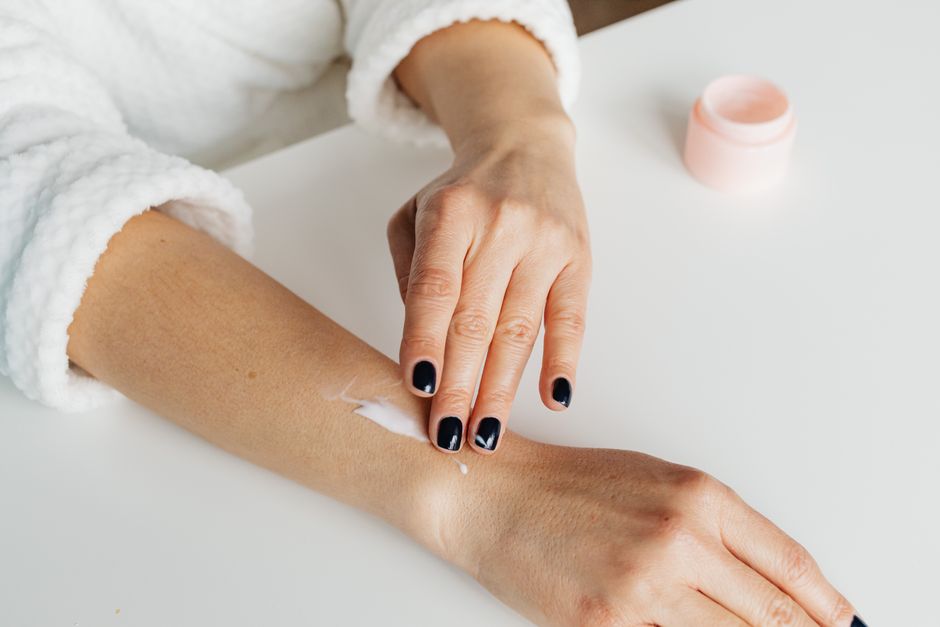
Your skin is a living organ, not a shell. It rebuilds itself constantly, and it needs water, fat, protein, and a short list of micronutrients to do that work. The most reliable way to heal dry, cracked, or irritated skin is to repair the outer barrier with gentle cleansing, regular moisturizing, and enough fluid and nutrients from food. No single cream or supplement fixes skin on its own.
That answer sounds simple, and in many ways it is. The skin’s outer layer is designed to hold water in and keep irritants out. When that layer is damaged or undernourished, moisture escapes and skin feels tight, rough, and uncomfortable. Understanding what the barrier needs — from both inside and outside — is the foundation for everything else.
What Heals Skin Moisture Nutrients And More?
Skin healing happens on two fronts at once. From the outside, a moisturizer and gentle care routine help rebuild the barrier. From the inside, water and specific nutrients supply the raw material your skin cells use to repair themselves.
The outer layer of skin, called the stratum corneum, works like a brick wall. Skin cells are the bricks. Fats, including ceramides, cholesterol, and fatty acids, act as the mortar that holds them together and blocks water from escaping. When that mortar breaks down, water evaporates faster than your body can replace it. That is why skin feels dry even when you drink plenty of water.
This is where a common myth falls apart. Drinking more water does not directly hydrate the surface of your skin. Research on fluid intake and skin hydration has produced mixed results, and no strong evidence shows that gulping extra water fixes dry skin in a well-hydrated person. Water matters for overall health, but the barrier is what holds moisture in place.
What actually helps is a combination of:
- Replacing the fats and water-binding molecules the barrier has lost
- Reducing things that strip the barrier, like harsh soaps and hot water
- Getting enough protein, healthy fats, and key vitamins and minerals from food
- Treating underlying conditions that cause dry or inflamed skin
None of these works alone. Skin repair is a system, not a single ingredient.
How Does the Skin Barrier Hold Water In?
The barrier is a thin, clever structure. On the surface sit dead skin cells packed with a mix of fats and natural moisturizing factors — molecules that attract and hold water. Below them, living cells produce new fats and proteins as the older ones shed.
Two things keep this system working. First, the fats between cells. Ceramides make up a large share of them, and people with dry or eczema-prone skin often have lower ceramide levels. Second, natural moisturizing factors, which include amino acids and related compounds that pull water into the outer layer.
When the barrier is intact, water loss through the skin stays low. When it is damaged — by harsh cleansers, cold dry air, sun exposure, or scratching — water escapes and irritants get in. That combination produces the tight, itchy, flaky feeling most people call dry skin.
This is why moisturizers work. They do not add water to your body. They either seal in the water already there or pull water into the outer layer and hold it. Both approaches support the barrier so it can repair itself.
Which Nutrients Actually Support Skin Health?
Several nutrients have a well-established role in skin structure and repair. Others are heavily marketed with far less evidence behind them. Knowing the difference saves money and avoids disappointment.
Nutrients with solid roles in skin:
- Protein — skin is built from proteins like collagen and keratin. Too little protein in the diet slows wound healing and skin repair.
- Essential fatty acids — fats from foods like fish, nuts, seeds, and plant oils help form the barrier’s lipid mortar.
- Vitamin C — needed for collagen production and acts as an antioxidant in skin.
- Vitamin A — supports skin cell turnover and repair.
- Zinc — involved in wound healing and skin inflammation control.
- Vitamin E — an antioxidant that works alongside other nutrients in the skin.
Deficiencies in any of these can show up on the skin. But correcting a deficiency is different from taking extra for healthy skin. In people who already get enough, higher doses have not been shown to improve skin in large human trials. Nutrient supplements help when there is a genuine shortfall, not as a general upgrade.





Do Collagen, Biotin, and Other Supplements Work?
Collagen and biotin are two of the most heavily promoted skin supplements. The evidence for each is limited, and it is worth being honest about that.
Collagen supplements have been studied, and some trials suggest small improvements in skin elasticity and hydration. But the studies are often small, short, and funded by supplement makers. Results vary, and the effect sizes are modest. There is no strong evidence that collagen supplements rebuild your skin’s own collagen in a meaningful way. When you eat collagen, your body breaks it into amino acids and uses them wherever needed — not necessarily in your skin.
Biotin is a B vitamin involved in several body processes. True biotin deficiency is rare, and when it occurs it can cause hair and skin problems. For people who are not deficient, no good evidence shows that biotin supplements improve skin, hair, or nails. The popularity of biotin for these purposes outpaced the science years ago.
Other common claims — that a specific “skin vitamin” or superfood transforms your complexion — rarely hold up. Some studies suggest certain antioxidants and plant compounds may help, but the evidence is not strong enough to recommend them as reliable treatments.
None of this means supplements are useless. It means the honest position is: the evidence here is limited, and food sources of these nutrients are better supported for general health.
What Causes Dry Skin in the First Place?
Dry skin usually comes from the barrier losing fats and water faster than it can replace them. Several common factors drive that.
- Weather — cold air holds less moisture, and indoor heat dries it further.
- Hot water and harsh soaps — these strip the barrier’s natural oils.
- Aging — oil production and barrier fats decline over time, so skin dries more easily.
- Medical conditions — eczema, psoriasis, and thyroid problems can cause persistently dry or inflamed skin.
- Medications — some drugs, including certain acne treatments and diuretics, can dry the skin.
Dry skin and dehydrated skin are not the same thing, though people use the terms interchangeably. Dry skin lacks oil. Dehydrated skin lacks water. Most dry skin involves some of both, which is why moisturizers combine oils and water-attracting ingredients.
If dryness is severe, persistent, or comes with redness, cracking, or bleeding, that points to something beyond ordinary dry skin. A clinician can check for conditions like eczema or psoriasis that need specific treatment.
What Is the Best Way to Moisturize and Protect Skin?
The most effective routine is boring and consistent. Gentle cleansing, moisturizing while skin is still damp, and protecting against drying conditions does more than any single product.
Practical steps that align with general dermatologic guidance:
- Use lukewarm water, not hot, and keep showers short.
- Choose fragrance-free, gentle cleansers instead of harsh soaps.
- Apply moisturizer within a few minutes of bathing, while skin is damp, to trap water in.
- Reapply moisturizer through the day, especially on hands and after washing.
- Use a humidifier in dry indoor air.
- Wear gloves in cold weather and when handling cleaning products.
For very dry skin, thicker ointments and creams generally hold moisture better than thin lotions. Ingredients like ceramides, glycerin, hyaluronic acid, and petrolatum all support the barrier in different ways. Which one works best varies by person, and there is no single winner for everyone.
One clarification that surprises people: “moisturizing” and “hydrating” are not the same. Humectants like glycerin pull water into the skin. Emollients and occlusives like petrolatum seal it in. Products that do both tend to work best for dry skin.
Does Diet Really Affect Skin?
Diet affects skin, but not in the dramatic way marketing suggests. Severe nutrient deficiencies clearly harm skin, and correcting them helps. Beyond that, the picture is more modest.
Eating a varied diet with enough protein, healthy fats, fruits, and vegetables supports skin the same way it supports the rest of your body. There is no evidence that any single food transforms skin, and no diet has been shown to cure skin conditions.
Some research suggests certain dietary patterns may influence conditions like acne, but findings are mixed and not strong enough to form firm recommendations. When it comes to skin, the reliable levers are barrier care, sun protection, not smoking, and adequate sleep — not a specific superfood.
If you suspect a nutrient deficiency is affecting your skin, that is worth discussing with a clinician rather than guessing with supplements. Blood tests can confirm or rule out a shortfall, and treating a real deficiency is different from taking nutrients you already have enough of.
Frequently Asked Questions
What nutrient is most important for skin moisture?
No single nutrient holds moisture in skin on its own. The barrier depends on fats like ceramides and fatty acids, plus proteins and water-binding molecules, so several nutrients work together rather than one being most important.
Does drinking more water hydrate dry skin?
In a well-hydrated person, drinking extra water has not been shown to fix dry skin. The barrier is what holds moisture in, so repairing it with moisturizer matters more than increasing fluid intake.
Can collagen supplements really improve skin?
Some small studies suggest modest improvements in skin elasticity and hydration, but the evidence is limited and results vary. There is no strong evidence that collagen supplements rebuild your skin’s own collagen.
How long does it take to heal dry, damaged skin?
Mild dryness often improves within days of consistent moisturizing and gentler cleansing. If skin stays cracked, painful, or inflamed despite care, that warrants a check for an underlying condition.
