
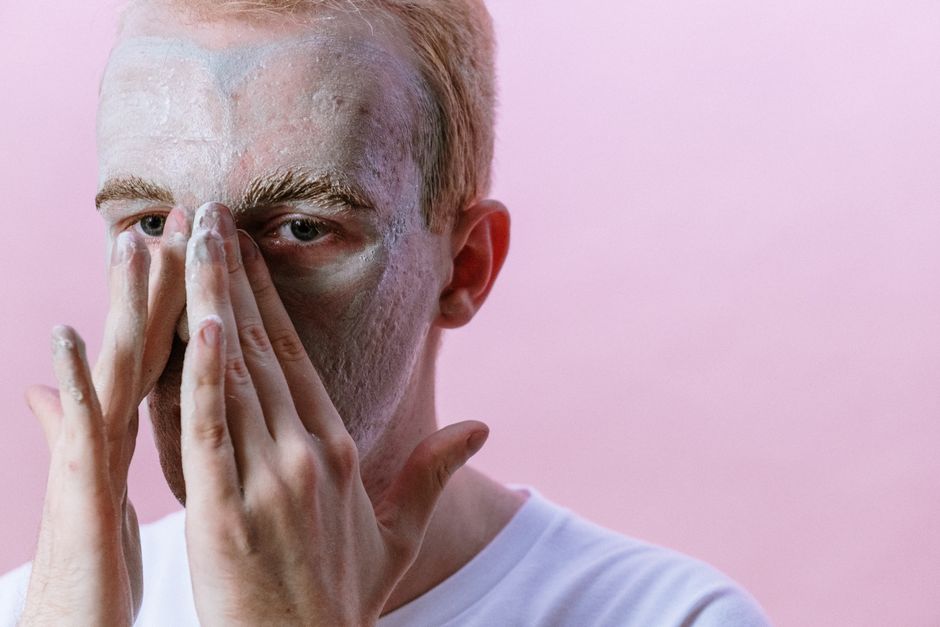
Acne on your nose is usually the same process as acne anywhere else on your face: a pore becomes blocked with oil and dead skin cells, bacteria multiply, and the area becomes inflamed. The location itself does not reveal hidden health problems, despite what many online charts claim. The nose is simply an area with large, active oil glands, which makes it prone to breakouts for most people.
What Actually Causes Pimples on the Nose?
Every hair follicle on your skin contains a sebaceous gland. These glands produce sebum, an oily substance that keeps skin moisturized. The nose has a high density of these glands, and they tend to be larger and more active than elsewhere on the face.
When sebum mixes with dead skin cells, it can clog the opening of the follicle. This creates a comedone, commonly called a blackhead or whitehead. If the clogged pore becomes infected with Cutibacterium acnes bacteria, the immune system responds, causing redness, swelling, and pus. That is a pimple.
Hormones drive this process. Androgens, which are present in both men and women, stimulate sebum production. This is why breakouts often flare during puberty, menstrual cycles, and times of hormonal change.
Does the Location of a Pimple Mean Something?
Some wellness sources claim that pimples on the nose indicate digestive problems, heart issues, or high blood pressure. There is no scientific evidence to support these claims. This idea comes from face mapping, a concept rooted in traditional Chinese medicine and Ayurveda, not modern dermatology.
Dermatologists do not use the location of acne to diagnose internal conditions. The medical reality is that acne appears where oil glands are most active, and the nose is one of those areas. A pimple on your nose is not a sign of a failing organ.
That said, there is one exception worth knowing. Acne that appears only in the beard area of men or along the jawline in women is often linked to hormonal fluctuations. This is a clinical observation, not a diagnostic rule, and it does not apply specifically to the nose.
Why Are Blackheads So Common on the Nose?
Blackheads, or open comedones, are extremely common on the nose. The dark color is not dirt. It is oxidized sebum and dead skin cells that have reacted with air. The pore remains open at the surface, which allows the oxidation to happen.
Because the nose has large pores and active oil production, blackheads tend to form there more than on other parts of the face. They are a normal variation of skin, not a sign of poor hygiene. Washing more aggressively will not remove them and can actually irritate the skin.
Over-the-counter products containing salicylic acid can help loosen the plugs. Retinoids, available in both prescription and over-the-counter forms, help normalize skin cell turnover so pores do not clog as easily. These treatments take weeks to show results and must be used consistently.





How Is Nose Acne Different From Other Types of Breakouts?
Most pimples on the nose are either blackheads or small red papules. These are mild forms of acne. Cystic acne, which involves deep, painful, swollen nodules, is less common on the nose but can occur.
There is one condition that is frequently mistaken for acne on the nose: rosacea. Rosacea causes redness and small bumps on the central face, especially the nose and cheeks. It looks similar to acne but is a different condition requiring different treatment. Antibiotics used for acne may help rosacea, but acne medications like benzoyl peroxide can worsen it.
If you have persistent redness, flushing, or visible blood vessels along with bumps on your nose, this may not be acne. A dermatologist can tell the difference with a simple examination.
Can You Treat Nose Acne Faster Than Other Areas?
No treatment makes a pimple disappear instantly. Most individual pimples resolve on their own within one to two weeks. The inflammation and redness may linger longer than the actual pimple.
For a single inflamed pimple, spot treatments containing benzoyl peroxide or salicylic acid can speed recovery. Applying ice wrapped in a clean cloth for a few minutes can reduce swelling. Leaving the pimple alone is often the fastest path to healing because picking or squeezing pushes bacteria deeper and increases inflammation.
For persistent nose acne, a daily routine is more effective than spot treatments. Washing the face twice daily with a gentle cleanser, using a non-comedogenic moisturizer, and applying a topical retinoid at night addresses the underlying process of clogged pores. Consistency matters more than product strength.
What Does Acne On Your Nose Mean Causes Explained by Skin Type?
Skin type plays a significant role in how acne presents on the nose. People with oily skin tend to develop more blackheads and papules on the nose because their sebaceous glands are overactive. People with dry skin may still get breakouts, but the cause is often a compromised skin barrier rather than excess oil.
Using heavy moisturizers or thick makeup can clog nose pores even in people who do not normally get acne. Hair products that contain oils can also migrate onto the forehead and nose, contributing to breakouts. This is sometimes called pomade acne, and it is a real, well-documented phenomenon.
If you wear glasses or sunglasses, the nose pads can trap oil and sweat against the skin. Wiping the nose pad area regularly and cleaning the frames can reduce this irritation. Friction from face masks can similarly cause breakouts along the nose bridge.
When Should You See a Dermatologist?
Occasional pimples on the nose are normal and do not require medical care. You should consider seeing a dermatologist if the breakouts are frequent, painful, or leaving scars. Acne that does not improve after several months of consistent over-the-counter treatment also warrants a professional evaluation.
A painful, enlarging, or rapidly growing bump on the nose that does not resemble a typical pimple should be examined. While most bumps on the nose are benign, skin cancer can develop on the nose because it receives significant sun exposure. Basal cell carcinoma, the most common type of skin cancer, often appears on the nose as a pearly bump or a sore that does not heal.
This is worth emphasizing: a persistent bump that never comes to a head, bleeds easily, or changes over time is not acne. It should be checked by a doctor.
Can Diet Affect Nose Acne?
The link between diet and acne is real but weaker than many online sources suggest. Research indicates that high glycemic index foods, such as white bread, sugary drinks, and processed snacks, may worsen acne in some people. Dairy, particularly skim milk, has also been associated with acne in several studies, though the effect varies by individual.
These findings do not mean you need to eliminate entire food groups. The evidence supports moderation rather than strict elimination diets. If you notice that certain foods consistently trigger breakouts for you, reducing those foods is reasonable. For most people, diet is a minor factor compared to hormones and genetics.
What Makes Nose Acne Worse?
Picking and squeezing are the most common ways people make nose acne worse. The nose has relatively thin skin over firm cartilage, which makes squeezing painful and increases the risk of scarring. It can also spread bacteria to surrounding pores.
Using harsh scrubs or alcohol-based toners on the nose strips away protective oils. The skin responds by producing more oil to compensate, which can lead to more clogged pores. Gentle cleansing is more effective than aggressive scrubbing.
Stress does not directly cause acne, but it can worsen existing breakouts. Stress hormones like cortisol can increase sebum production. Managing stress may help, but it will not clear acne on its own.
Frequently Asked Questions
Can acne on the nose mean a health problem?
No, the location of acne does not indicate internal health issues. The nose simply has large, active oil glands that make it prone to breakouts.
Why do I only get pimples on my nose?
The nose has a high density of sebaceous glands, making it more prone to clogged pores than other areas. This is a normal anatomical difference, not a sign of something wrong.
How long does a nose pimple last?
Most individual pimples resolve within one to two weeks. Inflamed pimples may leave redness that fades more slowly.
Is it safe to pop a pimple on my nose?
Popping any pimple increases the risk of infection and scarring, and the nose is especially sensitive. Letting it heal on its own or using a spot treatment is safer.
