
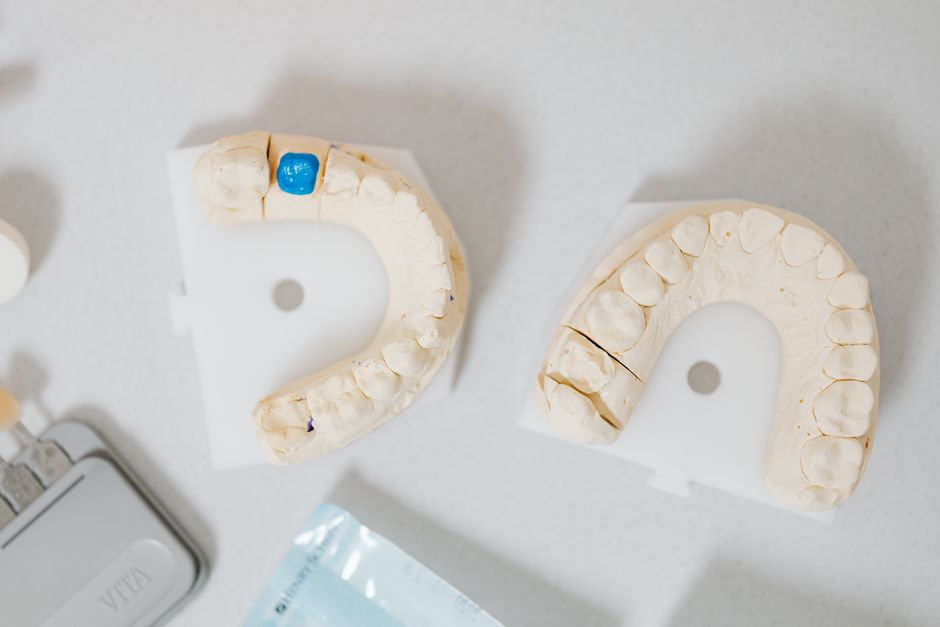
A temporary crown is a short-term restoration placed over a prepared tooth while your permanent crown is being made. It is typically made of a tooth-colored acrylic material or a stainless steel shell, designed to protect the exposed tooth and maintain space. Most temporary crowns closely mimic the shape of your natural tooth, but they are not as refined or durable as the final restoration you will receive in a few weeks.
What Does a Temporary Crown Look Like Compared to a Permanent One?
A temporary crown looks like a simplified version of your permanent crown. It has the general outline of a tooth, but the details are less precise. The surface is usually smooth and slightly glossy, without the natural grooves, ridges, and subtle color variations that a permanent crown will have.
Permanent crowns are often made of porcelain, ceramic, or zirconia. These materials can be matched closely to the color and translucency of your adjacent teeth. Temporary crowns are typically a uniform shade of off-white or beige. They may look slightly brighter or flatter than your natural teeth, and they often lack the natural depth that comes from a layered ceramic restoration.
If your temporary crown is on a back molar, it may look like a plain block or stump. If it is on a front tooth, it will have a more tooth-like shape but still appear somewhat basic compared to the final product. The goal is function and protection, not beauty.
What Materials Are Temporary Crowns Made Of?
There are two main types of temporary crown materials you are likely to encounter. The first is acrylic resin, which is the most common. It is molded in the dental office and hardened with a curing light or chemical reaction. Acrylic temporaries are tooth-colored and can be shaped to fit your bite reasonably well.
The second type is a prefabricated stainless steel or aluminum shell. These are more common for back teeth, especially in children or when a single-visit crown is not possible. A stainless steel temporary crown looks metallic and silver. It is not tooth-colored at all, so it will be clearly visible when you open your mouth. Some prefabricated crowns come with a white or tooth-colored coating, but this can wear off over time.
Your dentist chooses the material based on which tooth is being restored, how long the temporary needs to stay in place, and the forces it will face during chewing. For a front tooth, aesthetics matter more, so a tooth-colored acrylic is almost always used. For a molar, a metal shell may be acceptable because it is stronger and less likely to break.
How a Temporary Crown Is Made in the Dental Office
Your dentist takes an impression of your prepared tooth before making the temporary. This impression is a mold of your mouth taken before the tooth was ground down. The mold is filled with acrylic material and placed over your prepared tooth. After a few minutes, the material hardens, and the temporary crown is removed, trimmed, and polished.
The fit is checked carefully. Your dentist will ask you to bite down to make sure the temporary does not hit your other teeth too hard. If it is too high, it can cause discomfort and even damage the tooth underneath. The temporary is then cemented with a temporary dental cement that is designed to hold it in place but allow removal at your next appointment.
This entire process usually takes about 15 to 30 minutes. The temporary crown is not custom-made in a laboratory. It is a functional placeholder, and it is normal for it to feel slightly bulky or different from your natural tooth when you first get it.





Why the Temporary Crown Matters
Some patients wonder why they need a temporary crown at all. The prepared tooth is reduced in size and the underlying dentin is exposed. This makes the tooth sensitive to temperature and pressure. The temporary crown protects that exposed surface and prevents discomfort.
The temporary also maintains the space in your mouth. Teeth have a tendency to shift. If the space is left open, your neighboring teeth may drift into it, and the opposing tooth may erupt upward. This can make it difficult or impossible to seat your permanent crown properly later.
Another important job of the temporary crown is to help your gums heal. The gum tissue around the prepared tooth needs time to adapt to the new shape. A well-fitting temporary crown supports the gum line and helps create a healthy margin for the permanent restoration. If the temporary is poorly shaped or too tight, it can cause gum irritation or inflammation.
How Long Do Temporary Crowns Stay In Place?
Temporary crowns are designed to last only a few weeks. The typical time between the preparation appointment and the delivery of the permanent crown is about two to three weeks. Some dental offices have in-house milling machines that can produce a permanent crown in a single visit, which eliminates the need for a temporary altogether.
If your permanent crown is being made in an external laboratory, the temporary may need to stay in place longer. In some cases, especially with complex cases or multiple crowns, the temporary phase can extend to several weeks or even months.
Temporary crowns are not as strong as permanent ones. They are held with a weaker cement by design. It is not uncommon for a temporary crown to loosen or come off completely before your next appointment. If this happens, keep the crown if you can and contact your dentist. Do not try to re-cement it with household glue or over-the-counter dental adhesive unless your dentist instructs you to do so.
How to Care for a Temporary Crown
You should treat your temporary crown with more care than a normal tooth. Chewing on hard foods like nuts, ice, or hard candies can crack or dislodge it. Sticky foods like caramel, taffy, or chewing gum can pull the crown off. Try to chew on the opposite side of your mouth when possible.
Brushing and flossing are still important, but you need to be gentle. When flossing around the temporary crown, pull the floss out from the side rather than snapping it upward. Snapping can lift the crown off the tooth.
Some sensitivity to hot and cold is normal for the first few days. The tooth underneath has been filed down and is adjusting. If the sensitivity is severe or lasts more than a few days, contact your dentist. Also, if the temporary crown feels rough or sharp against your tongue, your dentist can smooth it quickly.
What to Do If Your Temporary Crown Falls Off
If your temporary crown comes off, do not panic. This is a common issue and it does not mean your permanent crown is in trouble. Keep the temporary crown in a safe place. Examine the inside of it and the tooth in your mouth to see if any cement is still attached.
Call your dentist right away. Most offices will see you the same day to re-cement it. The longer the tooth is exposed, the more sensitive it becomes, and the higher the risk of the neighboring teeth shifting. If you cannot see your dentist immediately, you can place the temporary crown back on the tooth without cement. It may stay in place on its own for a short time. Do not eat on that side until it is re-cemented.
If the temporary crown is broken or cracked, your dentist may need to make a new one. This is an easy process and does not affect your permanent crown. The permanent crown is already being fabricated and will not be changed by a broken temporary.
When the Temporary Crown Comes Off for Good
At your second appointment, your dentist will remove the temporary crown. This is usually quick and painless. The dentist uses a special instrument to gently pry the crown off. Any remaining temporary cement is cleaned from the tooth.
The permanent crown is then tried in. Your dentist checks the fit, the bite, and the color. Once everything looks right, the permanent crown is cemented into place with a strong, permanent dental cement. This crown is designed to last many years with proper care.
You will notice a clear difference between the temporary and the permanent crown. The permanent crown will feel more natural, look more like your other teeth, and be far more comfortable for chewing. The temporary phase is short, but it is an important part of the process.
Frequently Asked Questions
Will my temporary crown look like my real tooth?
It will have the general shape of your real tooth, but it will not match the color or detail of your permanent crown.
Can I eat normally with a temporary crown?
You should avoid hard, sticky, or chewy foods that could crack or pull the temporary crown off.
Is it normal for a temporary crown to feel loose?
A slight amount of movement is normal, but if it feels very loose or comes off, contact your dentist.
How long will I have to wear a temporary crown?
Most temporary crowns stay in place for about two to three weeks while your permanent crown is being made.
