
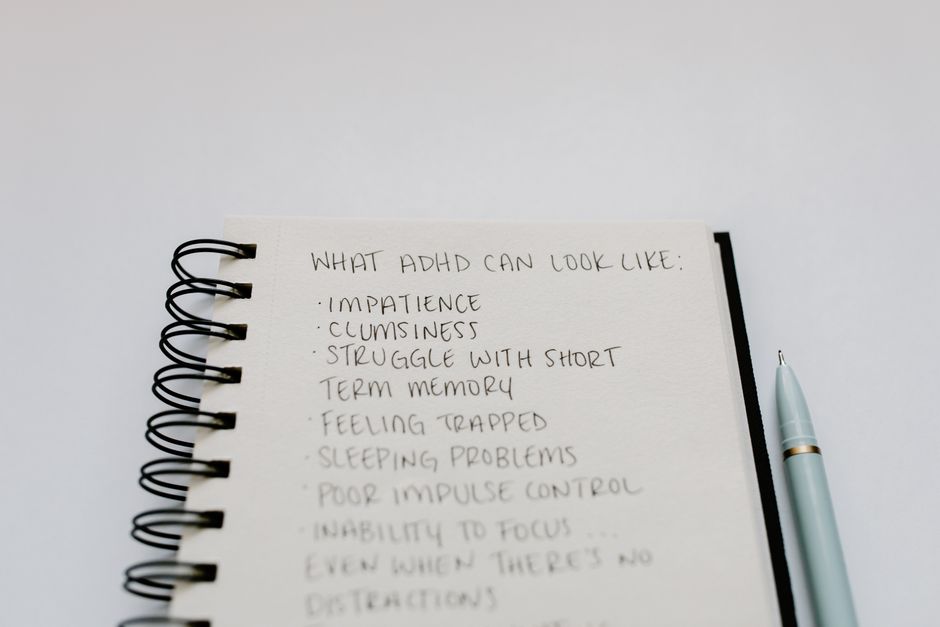
Adult ADHD looks different from childhood ADHD. Adults often struggle with focus, organization, time management, and emotional regulation rather than obvious hyperactivity. These symptoms are not occasional — they are persistent and cause real problems in work, relationships, and daily life. Recognizing the signs in yourself or someone you know is the first step toward getting help.
What Does Adult ADHD Look Like? Signs And Symptoms
Attention deficit hyperactivity disorder (ADHD) does not disappear after childhood. For many people, symptoms change as they get older but remain significant. The core features — inattention, hyperactivity, and impulsivity — look different in adults than in children.
Adults with ADHD often describe feeling mentally restless rather than physically hyperactive. They may interrupt others frequently, struggle to wait their turn, or make impulsive decisions. Inattention can show up as chronic disorganization, trouble following through on tasks, and a tendency to lose things like keys, phones, or important papers.
These symptoms are not just annoying habits — they interfere with work performance, finances, and relationships. Many adults with ADHD report a history of underachievement despite being intelligent. They may switch jobs often, have trouble keeping appointments, or feel overwhelmed by everyday responsibilities.
How Inattention Shows Up in Adults
Inattention in adults rarely looks like a child daydreaming in class. Instead, it often looks like difficulty focusing during meetings, reading a book, or completing long reports. Adults with ADHD may start projects with enthusiasm but struggle to finish them. They might avoid tasks that require sustained mental effort, such as doing taxes or filling out forms.
Another common sign is poor time management. Adults with ADHD may be chronically late, underestimate how long tasks will take, or miss deadlines. They often feel like they are always behind. Losing track of time — hyperfocus — can also be a problem. Some people with ADHD become so absorbed in something interesting that they lose hours without noticing.
Working memory is another area affected. Adults with ADHD may forget conversations, instructions, or where they put something moments ago. They may need to write everything down or rely on reminders. This is not laziness — it is a core symptom of the condition.
Hyperactivity and Impulsivity in Adults
Physical hyperactivity tends to fade with age, but mental restlessness remains. Adults with ADHD often feel an internal sense of being driven, as if they need to be doing something constantly. They may fidget, tap their feet, or feel uncomfortable sitting still for long periods. Choosing a sitting job can be a challenge.
Impulsivity shows up differently in adults. Instead of blurting out answers, adults may interrupt conversations, make hasty purchases, or quit jobs on a whim. They might drive too fast or engage in risky behavior without thinking about consequences. Impulsive speech can damage relationships — saying things without filtering them first.
Emotional impulsivity is less talked about but common. Adults with ADHD may have quick, intense emotional reactions to criticism or frustration. They might be easily angered or become overly excited. Mood swings are frequent but usually brief. This can be mistaken for anxiety or a mood disorder.





Daily Life Challenges That Signal Adult ADHD
The symptoms of adult ADHD show up in everyday situations. Common examples include constantly losing keys, wallet, or phone; forgetting appointments or double-booking; having a messy car, desk, or home; and struggling to stick to a budget. Procrastination is nearly universal — not because of laziness but because the task feels impossibly overwhelming.
Relationships are often strained. Partners may complain that the person does not listen, forgets important dates, or follows through on promises. Adults with ADHD may also interrupt, talk excessively, or have trouble sharing the spotlight in conversation. Parenting can be more difficult because children with ADHD are more likely to have parents with ADHD, creating a cycle of chaos.
Workplace problems are common. Adults with ADHD may be creative and energetic but struggle with routine tasks, punctuality, and meeting deadlines. They may be seen as unreliable or disorganized even when they are trying hard. Many have been told they are “not living up to their potential.”
How Adult ADHD Is Diagnosed
Diagnosis of adult ADHD requires a thorough evaluation by a qualified professional — usually a psychiatrist, psychologist, or primary care doctor with experience in ADHD. There is no single test for ADHD. Diagnosis is based on clinical history, symptom report, and ruling out other conditions.
The official criteria in the DSM-5 (the diagnostic manual used by mental health professionals) require that adults have at least five symptoms of inattention or hyperactivity-impulsivity. These symptoms must have been present before age 12, be present in two or more settings (home, work, social), and clearly interfere with quality of life. Many adults are not diagnosed until their 30s or 40s because they developed coping strategies that masked the signs.
It is important to rule out other conditions that can mimic ADHD. Anxiety, depression, thyroid disorders, sleep apnea, and substance use can all cause problems with focus, memory, and mood. A thorough evaluation takes time and should include interviews with the person and sometimes with a partner or family member who can provide additional insight.
Gender Differences in Adult ADHD
ADHD presents differently in women and men. Men are more likely to be diagnosed in childhood because they tend to have more visible hyperactivity. Women often have the inattentive type, which is easier to overlook. They may be labeled “spacey,” “chatty,” or “disorganized” rather than hyperactive.
Women with adult ADHD often develop coping strategies that hide their struggles, such as rigid routines or perfectionism. They may work extra hard to keep up, which can lead to burnout, anxiety, and depression. Because of this, many women are not diagnosed until they seek help for these secondary problems.
Hormonal changes can also affect symptoms. Some women report that ADHD symptoms worsen during premenstrual, perimenopausal, or postpartum periods. Research on this is still emerging, but clinicians should be aware of the connection when evaluating women for ADHD.
Co-Occurring Conditions Are Common
Adults with ADHD rarely have only ADHD. Studies consistently show high rates of co-occurring conditions. Anxiety disorders, depression, and substance use disorders are the most common. Binge eating disorder and other impulse-control problems are also more frequent.
Because of these overlapping conditions, ADHD can be hard to recognize. A person may be treated for depression without improvement, only to discover that untreated ADHD was contributing to the low mood. Treating both conditions together usually leads to better outcomes than treating one alone.
It is also important to distinguish ADHD from other causes of inattention. Sleep deprivation, for example, can cause severe problems with focus and impulse control. Many adults with ADHD also have poor sleep, creating a two-way problem. Identifying and treating sleep issues can improve ADHD symptoms.
Treatment for Adult ADHD: What Works
Treatment for adult ADHD is well studied. The strongest evidence supports medication, specifically stimulant medications such as methylphenidate and amphetamine-based drugs. These medications improve focus, reduce impulsivity, and help with emotional regulation for many people. Response varies, so finding the right medication and dose often takes time.
Non-stimulant medications (such as atomoxetine, guanfacine, and clonidine) are options when stimulants are not effective, not tolerated, or not preferred. They work more slowly but have a lower risk of misuse. Some people use both types together under medical supervision.
Behavioral therapy, particularly cognitive behavioral therapy (CBT) designed for adult ADHD, can help with practical skills. Therapy can address time management, organization, and the negative thought patterns that develop from years of struggling. Coaching and support groups are also helpful for many adults.
Lifestyle changes alone are not a substitute for treatment, but they can support it. Regular exercise, adequate sleep, a consistent routine, and reducing distractions (like keeping your phone in another room) can make ADHD symptoms more manageable. No single approach works for everyone. A combination of medication, therapy, and lifestyle adjustments is often most effective.
Frequently Asked Questions
What are the main signs of adult ADHD?
The main signs are persistent inattention (trouble focusing, disorganization, forgetfulness) and hyperactivity-impulsivity (restlessness, interrupting, impulsive decisions). These symptoms cause real problems in work, relationships, and daily life.
How is adult ADHD diagnosed?
Diagnosis requires a clinical evaluation by a trained professional. The criteria include at least five symptoms from either inattention or hyperactivity-impulsivity that began before age 12, occur in multiple settings, and impair daily functioning.
Can adult ADHD be treated without medication?
Medication has the strongest evidence for treating adult ADHD, but behavioral therapy, coaching, and lifestyle changes can help. Many adults benefit most from a combination of medication and therapy.
Is adult ADHD different from childhood ADHD?
Yes. Hyperactivity often becomes less physical and more internal (restlessness, feeling driven). Inattention and impulsivity remain but can look different — for example, emotional impulsivity and trouble with time management are common in adults.
