
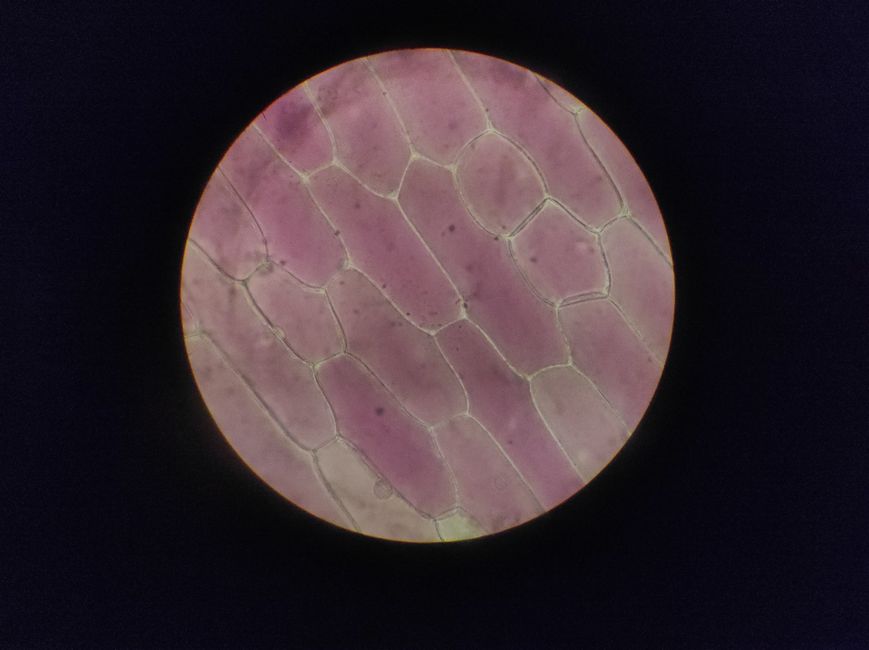
A low red cell distribution width (RDW) means your red blood cells are more uniform in size than usual. The RDW is a number on a standard complete blood count (CBC) that measures how much your red blood cells vary in size. A low RDW is uncommon, and in most cases it is not a sign of disease on its own. It usually only becomes meaningful when it is read alongside other results on the same CBC.
Most people who see a low RDW on a lab report have a normal result that does not need treatment. The RDW matters far less as a standalone number than as one piece of a larger picture that includes hemoglobin, hematocrit, and mean corpuscular volume (MCV).
What Is RDW and What Does the Number Actually Measure?
RDW stands for red cell distribution width. It is a measure of variation, not a measure of size itself. Two red blood cells can both be normal in size, but if one is larger than the other, that difference raises the RDW.
Your red blood cells carry oxygen from your lungs to the rest of your body. In a healthy person, they are fairly consistent in size, roughly 6 to 8 micrometers across. The RDW puts a number on how much they differ from one another. A higher RDW means more size variation. A lower RDW means less variation.
It helps to separate RDW from MCV, because people often confuse the two. MCV measures the average size of your red blood cells. RDW measures how spread out those sizes are. You can have a normal average with a wide spread, or a normal average with a tight spread. These are different pieces of information.
The RDW is reported as a percentage. Many labs list a reference range of roughly 11.5% to 14.5%, though the exact range varies by laboratory and by the analyzer used. That variability matters. What one lab calls low, another might call normal.
Is a Low RDW Actually a Problem?
A low RDW is generally not considered a medical problem on its own. It is not a diagnosis, and it does not point to a specific disease the way a high RDW sometimes can.
This is where the topic gets interesting, and it is worth understanding clearly. Most of the clinical attention around RDW focuses on values that are high, not low. A high RDW has been associated with a range of conditions, including nutritional deficiencies, certain anemias, and chronic illness. A low RDW has far less research behind it, and much of what exists is descriptive rather than tied to outcomes.
In practice, a low RDW is often a normal finding. It can simply mean that your red blood cells are unusually uniform, which is not inherently harmful. It can also reflect a technical detail of how the lab machine calculated the number, or a small sample issue.
The number becomes more useful when it is paired with other results. A low RDW sitting next to a normal hemoglobin and a normal MCV usually means very little. A low RDW alongside an abnormal hemoglobin or MCV is worth a closer look, but even then, the RDW is supporting information, not the main event.
What Causes a Low RDW?
There is no single established cause of a low RDW, and no large body of research identifying it as a marker of a specific condition. What is known is more about context than about a direct cause.
A low RDW most often appears when red blood cell production is steady and consistent. When your bone marrow is making red blood cells at a stable rate and nothing is disrupting that process, the cells tend to come out similar in size. That produces a lower RDW.
Several situations can produce this pattern:
- A normal, healthy blood profile with no underlying issue
- Certain types of anemia where cell size stays relatively uniform, such as some cases related to chronic disease
- Recent blood transfusion, which can temporarily change the mix of cells in circulation
- Laboratory or analyzer differences in how the RDW is calculated
The transfusion point is a useful one. When someone receives donated blood, the circulating cells become a blend of their own cells and the donor’s cells. Depending on timing and the analyzer, this can shift the RDW in either direction, which is one reason a single RDW value is not read in isolation.
It is also worth being honest about the limits here. Because low RDW is studied far less than high RDW, anyone who tells you a low RDW is caused by one specific thing is likely oversimplifying. The evidence does not support that level of certainty.





Low RDW vs. High RDW: What’s the Difference?
The two directions mean different things. A high RDW signals that your red blood cells vary a lot in size. A low RDW signals that they vary very little.
A high RDW is the more clinically meaningful of the two. It often appears early, sometimes before other blood counts change, because a mix of small and large cells is a common response to a range of problems. Nutritional deficiencies, certain inherited blood conditions, and chronic diseases can all widen the spread of cell sizes. That is why a high RDW tends to prompt further testing.
A low RDW does not carry the same weight. It is rarely the reason a doctor orders more tests. In most cases it is noted and set aside unless something else on the CBC is off.
| Measure | What It Reflects | Typical Reference Range |
|---|---|---|
| RDW | Variation in red blood cell size | Roughly 11.5% to 14.5% (varies by lab) |
| MCV | Average red blood cell size | Roughly 80 to 100 femtoliters |
| Hemoglobin | Oxygen-carrying capacity | Varies by sex and lab |
These ranges are general. Your lab report will list the reference range it uses, and that is the range that applies to your result.
When Should You Pay Attention to a Low RDW?
You should pay attention when a low RDW comes with other abnormal results, or when you have symptoms. On its own, a low RDW rarely warrants concern.
The RDW is a supporting character, not the lead. Its job is to add context to the rest of the CBC. So the real question is not “is my RDW low?” but “what does my whole blood count look like?”
Signs that a low RDW deserves a closer look include:
- Low hemoglobin or hematocrit alongside the low RDW
- An MCV that is above or below the normal range
- Ongoing fatigue, shortness of breath, or pale skin
- A pattern that has changed from your previous blood tests
If your only unusual result is a low RDW, and everything else is normal, there is usually nothing to act on. That is the honest position, and it reflects how clinicians actually read these reports.
One non-obvious point: trends matter more than single values. A number that has been stable for years is far less interesting than one that has shifted. If you have access to past results, comparing them can tell you more than any single reading.
Do You Need Treatment for a Low RDW?
No treatment exists for a low RDW itself, because it is not a condition. There is nothing to treat. What might need attention is whatever else is happening in your blood work or your body.
This is an important distinction. People sometimes see an out-of-range value on a lab report and assume something must be done about it. But RDW is a measurement, not a disease. You do not correct a low RDW the way you might correct low iron or low vitamin B12.
If a doctor finds an underlying issue through other tests, treating that issue is the goal. The RDW may shift as a result, but it is not the target.
It is also worth noting that no supplement, diet, or lifestyle change has been shown to raise a low RDW specifically. Anyone marketing a product to “fix” a low RDW is making a claim that no clinical evidence supports.
How Is RDW Used in Clinical Practice?
Clinicians use RDW mainly to help interpret anemia and to spot early changes in red blood cell production. It is a cheap, automatic part of the CBC, so it comes along with every standard blood count whether or not anyone asked for it.
When a patient has anemia, the combination of MCV and RDW helps narrow down the cause. A high RDW with a low MCV points in one direction. A normal RDW with a low MCV points in another. This kind of pattern recognition is where RDW earns its place.
For a low RDW, the clinical use is more limited. It mostly serves as a check that the rest of the picture makes sense. If the RDW is low and everything else lines up with a healthy profile, that is reassuring, but the reassurance comes from the whole picture, not the RDW alone.
Some research has explored whether RDW can predict outcomes in various diseases. Most of that work centers on high RDW, not low. The evidence for low RDW as a meaningful clinical marker is thin, and it would be misleading to suggest otherwise.
What Should You Do If Your RDW Is Low?
If your RDW is low and the rest of your CBC is normal, there is generally nothing to do. Bring the result to your doctor if you want confirmation, but a low RDW by itself is not a reason for alarm or further testing.
If other results are abnormal, or if you have symptoms, that is the conversation to have. The RDW is one line on a report. Your doctor reads it in context, alongside your history, your symptoms, and the other values on the page.
Try not to fixate on a single number. Lab reference ranges are statistical. About 5% of healthy people fall outside any given range just by chance. A value slightly below the cutoff is often not meaningful on its own.
The most useful thing you can do is keep your results and compare them over time. A stable low RDW across several tests tells a very different story than a sudden change. If you are unsure what your result means, ask. A short conversation with your clinician will almost always clear it up faster than searching online.
Frequently Asked Questions
What does a low RDW mean in a blood test?
A low RDW means your red blood cells are more uniform in size than average. It is usually not a sign of disease on its own and is most useful when read alongside other results on the same blood count.
Is a low RDW something to worry about?
Generally no. A low RDW is rarely a cause for concern by itself, and it does not point to a specific condition the way a high RDW sometimes can.
Can low RDW cause symptoms?
No, a low RDW does not cause symptoms because it is a measurement rather than a condition. Any symptoms you have would come from something else, which is why the rest of your blood count matters.
What is the difference between low RDW and high RDW?
A low RDW means your red blood cells are similar in size, while a high RDW means they vary more in size. A high RDW is the more clinically significant of the two and more often prompts further testing.
