
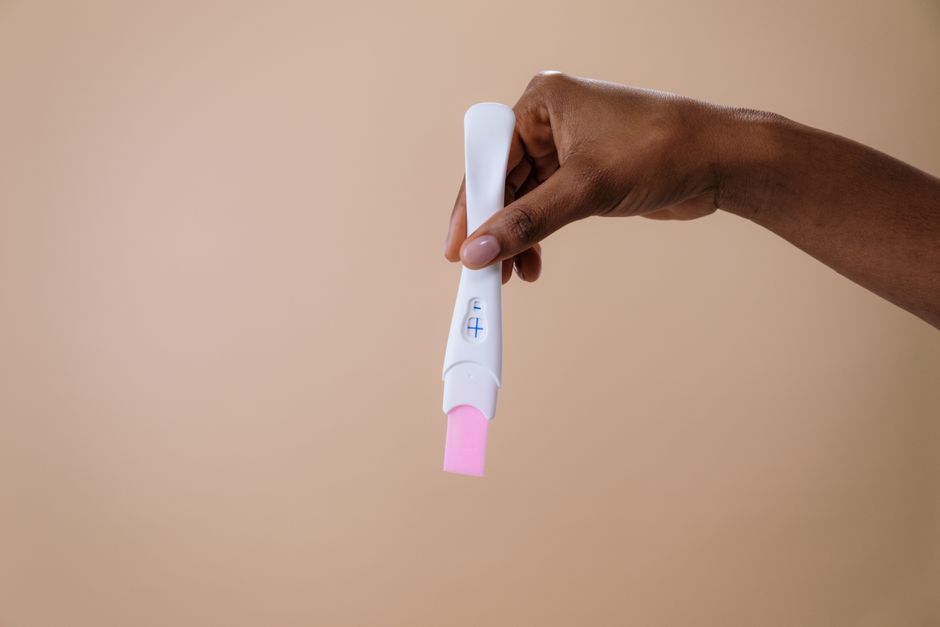
Testing your fertility involves blood work, imaging, and semen analysis to measure hormone levels, egg supply, and sperm health. For women, the most common tests check ovarian reserve through an antral follicle count and anti-Müllerian hormone level. For men, a semen analysis looks at sperm count, shape, and movement. Results tell you whether your reproductive system is functioning normally or if there are specific issues that may need medical attention. This article explains each test, what the numbers mean, and how to interpret them without the hype.
What Tests Do Doctors Use to Check Female Fertility?
Doctors start with a blood test on day two or three of your menstrual cycle. They measure follicle-stimulating hormone (FSH), estradiol, and anti-Müllerian hormone (AMH). FSH levels above 10 mIU/mL may suggest a lower ovarian reserve. AMH is a more direct marker. Levels below 1.0 ng/mL indicate a reduced egg supply. Levels above 3.5 ng/mL are high and could point to polycystic ovary syndrome (PCOS).
A transvaginal ultrasound counts antral follicles — small sacs in the ovaries that contain eggs. This is called an antral follicle count (AFC). A count of 10 to 20 total is considered normal. Fewer than 5 is low. The ultrasound also checks for uterine fibroids, ovarian cysts, and the thickness of the uterine lining. The lining should be at least 7 mm thick mid-cycle for implantation to be possible.
Some doctors also test thyroid function and prolactin levels. Both can affect ovulation. The American Society for Reproductive Medicine recommends these tests for women over 35 who have been trying for six months without success, or for women under 35 after one year. Testing earlier is appropriate if you have irregular periods, a known condition like endometriosis, or a family history of early menopause.
What Does a Semen Analysis Test and What Do the Numbers Mean?
A semen analysis is the first test for male fertility. It measures three main things: sperm count, motility, and morphology. The World Health Organization sets the reference ranges. A normal sperm count is 15 million sperm per milliliter or higher. Normal motility means at least 40% of sperm are moving. Normal morphology means at least 4% of sperm have a normal shape.
These numbers come from the WHO’s 2021 manual, which updated earlier thresholds. If results fall below these ranges, it does not mean you cannot conceive. It means the probability of natural conception is lower. Many men with counts below 15 million still father children. It just may take longer.
One thing that surprises people is that a single abnormal result does not mean permanent infertility. Sperm quality can change with illness, stress, medications, or recent fever. Doctors usually repeat the test after two to three months to confirm. That is how long it takes for new sperm to mature.
How To Test Your Fertility And What The Results Mean for Ovarian Reserve
Ovarian reserve testing tells you how many eggs you have left. It does not tell you the quality of those eggs. That distinction matters. A woman with a low AMH level can still get pregnant if her remaining eggs are healthy. A woman with a normal AMH level may still struggle if her eggs are chromosomally abnormal, which becomes more common after age 35.
The most accurate way to assess ovarian reserve is a combination of AMH blood test and antral follicle count. Both tests together give a clearer picture than either alone. Research published in the journal Human Reproduction Update found that AMH and AFC together predict ovarian response to fertility drugs more accurately than age alone. But neither test predicts the chance of natural pregnancy with certainty.
Results from these tests help doctors decide on treatment. For example, if AMH is low, ovarian stimulation for IVF may need higher doses of medication. If AMH is very high, there is a risk of ovarian hyperstimulation syndrome, and lower doses are safer. The results guide the approach, not the outcome.




What Are the Limitations of Home Fertility Tests?
Home fertility tests are widely available. They measure hormones in urine, such as luteinizing hormone (LH) for ovulation prediction or FSH for ovarian reserve. These tests can be useful for timing intercourse. But they are not diagnostic. An LH surge tells you ovulation is likely in the next 24 to 36 hours, but it does not confirm ovulation happened. It also does not tell you if the egg is healthy or if the fallopian tubes are open.
Home FSH tests claim to measure ovarian reserve. The evidence does not support this use. A 2013 study in Fertility and Sterility found that home FSH tests had poor accuracy compared to blood tests. They missed many cases of low ovarian reserve and gave false positives in others. The FDA has not cleared any home test for fertility diagnosis. They are marketed as “wellness” devices to avoid regulation.
If you want real answers, you need clinical testing. Home tests are fine for tracking cycles. They are not a substitute for medical evaluation. Spending money on them instead of seeing a doctor can delay treatment.
What Do Fertility Blood Test Results Actually Tell You?
Here is a comparison of common fertility blood tests and what the numbers typically mean. These ranges apply to women tested on cycle day 2 or 3.
| Test | Normal Range | What Low Means | What High Means |
|---|---|---|---|
| FSH | 3–10 mIU/mL | Usually normal | Low ovarian reserve |
| AMH | 1.0–3.5 ng/mL | Low egg supply | Possible PCOS |
| Estradiol | 25–75 pg/mL | May indicate low ovarian activity | Could suppress FSH and mask reserve |
| Prolactin | Under 25 ng/mL | Normal | May disrupt ovulation |
| TSH | 0.5–4.0 mIU/L | Hyperthyroidism | Hypothyroidism |
These numbers are guidelines. Labs vary slightly. Your doctor interprets results based on your age, cycle, and symptoms. A single number out of range does not mean you cannot get pregnant. It means further evaluation is needed.
What Tests Check for Structural Problems?
Blood tests and semen analysis do not check the physical structures involved in fertility. A hysterosalpingogram (HSG) is an X-ray test that checks if the fallopian tubes are open. Dye is injected through the cervix into the uterus. If the dye spills out of the tubes, they are open. Blocked tubes are a common cause of infertility, especially in women with a history of pelvic infection or endometriosis.
A saline infusion sonogram (SIS) uses ultrasound and saline to look inside the uterine cavity. It can detect polyps, fibroids, or scar tissue that could prevent implantation. Hysteroscopy is a more direct procedure where a small camera is inserted into the uterus. It is done if the SIS shows something abnormal or if symptoms like heavy bleeding suggest a problem.
These tests are not first-line for everyone. They are recommended if you have risk factors or if initial blood work and semen analysis are normal but pregnancy has not occurred. The American College of Obstetricians and Gynecologists recommends HSG after six months of trying for women over 35 or after one year for younger women.
What Should You Avoid When Testing Fertility?
Do not test during an active illness. Fever can temporarily raise FSH and lower sperm count. Wait until you have been healthy for at least a month. Do not take biotin supplements before blood tests. Biotin interferes with many hormone assays and can produce falsely high or low results. Stop biotin for at least 72 hours before testing.
Do not rely on apps or wearable devices to diagnose fertility issues. They can track cycles and predict ovulation windows, but they do not measure hormones or egg supply. A 2020 study in BMJ Sexual and Reproductive Health found that cycle-tracking apps were often inaccurate for women with irregular cycles. They are tools, not tests.
Do not assume one test gives you the full picture. Fertility is a system, not a single number. A normal AMH does not guarantee pregnancy. A low AMH does not mean it is impossible. The results are pieces of a puzzle, not a final verdict.
Frequently Asked Questions
Can I test my fertility at home accurately?
Home tests can track ovulation but cannot diagnose fertility problems. Blood tests and ultrasound from a doctor are needed for accurate results.
What is the best day of my cycle to get fertility blood work?
Day two or three of your menstrual cycle is standard for FSH, estradiol, and AMH testing. This gives a baseline reading unaffected by ovulation.
How long does it take to get fertility test results?
Blood test results usually come back within a few days. Semen analysis results are often available within a week. Imaging results are available immediately after the procedure.
Do I need a referral to see a fertility specialist?
Many insurance plans require a referral from your primary doctor or gynecologist. Check with your insurance provider before scheduling an appointment.
