
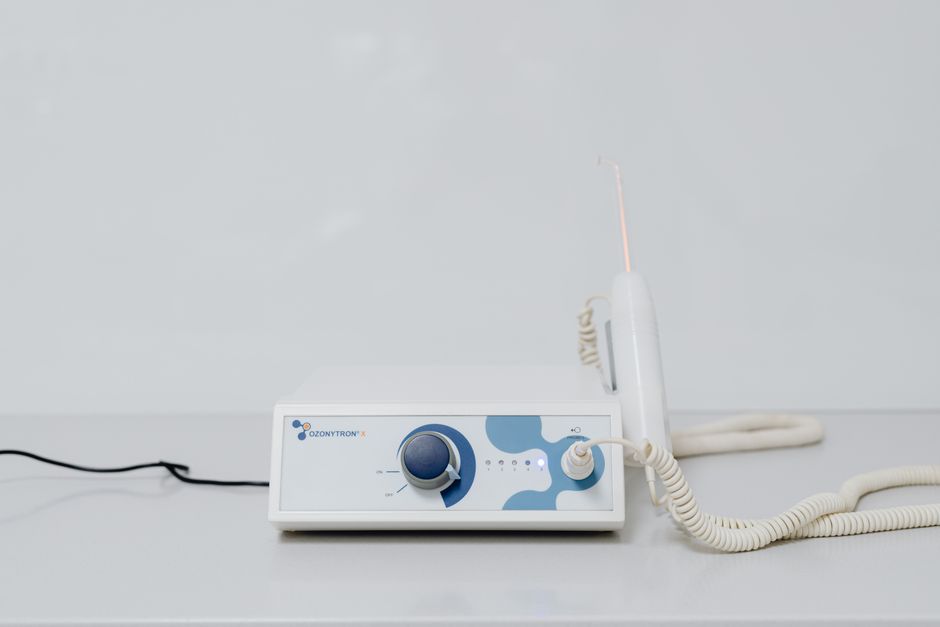
A high frequency machine uses a glass electrode to deliver a mild alternating electrical current to the skin. That current creates a faint violet or orange glow and generates a small amount of ozone at the skin’s surface. In practice, the device is used for two main purposes: to temporarily reduce acne-causing bacteria on the skin, and to increase blood flow to the treated area.
You have probably seen these wands in a spa facial room or on social media. They have been around since the 1980s and remain a staple in many professional acne treatments. This article explains what the device actually does at the tissue level, what the evidence supports, and where the marketing has gotten ahead of the science.
What Does A High Frequency Machine Do For Skin?
The device delivers a low-level alternating current through a gas-filled glass electrode. When the current passes through the gas, the electrode glows and produces ozone — a reactive form of oxygen — right at the skin’s surface.
That combination of electrical current and surface ozone is the basis for everything the device does. Two effects are well described in the clinical literature:
- Antibacterial action. Ozone and the electrical current can reduce the population of certain bacteria on the skin surface, including some types associated with acne.
- Increased local blood circulation. The mild current causes blood vessels near the surface to widen, which is why skin often looks flushed or pink immediately after treatment.
What the device does not do is restructure skin, remove scars, or change the deeper layers where collagen and elastin are made. Those claims belong to other technologies. High frequency works at the surface, and its effects are temporary.
There are two electrode types you will see. Violet electrodes are the ones most often used for acne-prone skin. Orange or neon electrodes are sometimes used for a warming, circulation-focused treatment. The color reflects the gas inside the glass, not a fundamentally different mechanism.
How Does High Frequency Treatment Work on Acne?
Acne is not simply a bacteria problem. It involves excess oil, blocked pores, inflammation, and the bacterium Cutibacterium acnes — all interacting. High frequency addresses only part of that picture.
The ozone produced at the electrode tip has antimicrobial properties. When the electrode is passed over the skin, it can reduce surface bacteria in the treated area. Some clinicians use high frequency as an add-on during a professional acne facial, particularly on inflamed lesions.
Here is the honest limitation. The antibacterial effect is surface-level and short-lived. Bacteria repopulate the skin. The treatment does not clear blocked pores, does not regulate oil production, and does not address the hormonal drivers of acne. It is a supporting step, not a standalone solution.
If you are dealing with moderate to severe acne, high frequency alone is unlikely to be enough. Established acne treatments — topical retinoids, benzoyl peroxide, and prescription options — have far stronger evidence behind them. Talk to a dermatologist about what fits your situation.
Does High Frequency Help With Fine Lines and Wrinkles?
The evidence here is weak. Some spas market high frequency as a collagen-stimulating treatment, but the current does not penetrate deeply enough to reach the dermis, where collagen is produced.
What people often notice after a session is a temporary plumping and a rosy glow from increased circulation. That can make skin look fresher for a few hours. It is not the same as new collagen formation, which takes weeks to months and requires treatments that reach the deeper skin layers.
Radiofrequency devices, microneedling, and certain lasers are designed to stimulate collagen remodeling. High frequency is not in that category. If a provider tells you a high frequency wand will reduce wrinkles over time, that claim is not supported by strong clinical evidence.




Is High Frequency Safe for All Skin Types?
For most people with healthy skin, professional high frequency treatment is generally well tolerated. Mild redness and warmth during and right after treatment are common and usually fade within a short time.
Certain groups should avoid it or check with a clinician first:
- People with pacemakers or other implanted electronic devices
- Pregnant individuals — no clinical guidelines establish safety for this group, so the cautious approach is to skip it
- People with epilepsy
- Anyone with active cold sores, open wounds, or irritated skin in the treatment area
- People using certain prescription retinoids or with very reactive skin
This is not an exhaustive list. If you have a medical condition or take medication, ask a doctor before trying high frequency — professional or at-home.
One point worth clarifying: the ozone produced is in very small amounts at the skin surface. It is not the same as breathing ozone air pollution, which is a genuine health concern. In this context the exposure is local and brief. That said, no one should treat ozone as harmless in general — the safety here rests on the small scale and short duration, not on ozone being benign.
Professional Treatment vs. At-Home High Frequency Devices
At-home high frequency wands are widely sold and generally cost far less than a spa session. The key difference is the current output and the training of the person using it.
Professional devices used in clinical settings can deliver higher, more controlled current. A trained esthetician or clinician knows how to move the electrode, how long to treat each area, and when to stop. At-home devices are typically lower-powered for safety, which also means their effects may be more subtle.
| Factor | Professional | At-Home |
|---|---|---|
| Current output | Higher, adjustable | Lower, fixed or limited |
| Operator training | Trained clinician or esthetician | Self-applied |
| Typical session | Part of a full facial | Short, several times weekly |
| Cost | Per-session fee | One-time purchase |
If you use an at-home device, follow the manufacturer’s instructions exactly. Overuse can irritate skin. Do not use it on broken skin or near the eyes, and stop if you notice unusual redness, burning, or discomfort.
What Results Can You Realistically Expect?
Think of high frequency as a temporary, surface-level treatment. Realistic expectations look like this:
- Skin may look less inflamed and slightly flushed right after a session
- Surface bacteria in the treated area may be reduced for a short time
- Any improvement in acne is usually modest and requires consistent sessions alongside other treatments
- Effects on wrinkles and scarring are not well supported by evidence
Results vary from person to person, and no single session produces lasting change. Anyone promising permanent clearing or dramatic anti-aging results from high frequency alone is overstating what the device can do.
If your main concern is acne, the strongest evidence supports a proper skincare routine built around proven ingredients, plus prescription treatment when needed. If your concern is aging skin, treatments that reach the dermis have better supporting evidence. High frequency can be a pleasant addition to a facial, but it is not a substitute for treatments with real clinical backing.
Frequently Asked Questions
What does a high frequency machine do for skin?
It delivers a mild electrical current that produces surface ozone and increases local blood flow. This can temporarily reduce acne-causing bacteria and give skin a flushed, refreshed look.
How often should you use a high frequency machine?
No single clinical guideline sets a universal frequency, so follow the instructions that come with your specific device. Many at-home users treat a few times per week, while professional sessions are typically spaced apart as part of a facial.
Can high frequency machines remove wrinkles?
No strong clinical evidence supports high frequency as a wrinkle treatment. The current does not reach the dermis where collagen is made, so any smoothing effect is temporary and surface-level.
Is high frequency safe during pregnancy?
No clinical guidelines establish safety for use during pregnancy, so the cautious choice is to avoid it. Ask your doctor before using any electrical skin device while pregnant.
