
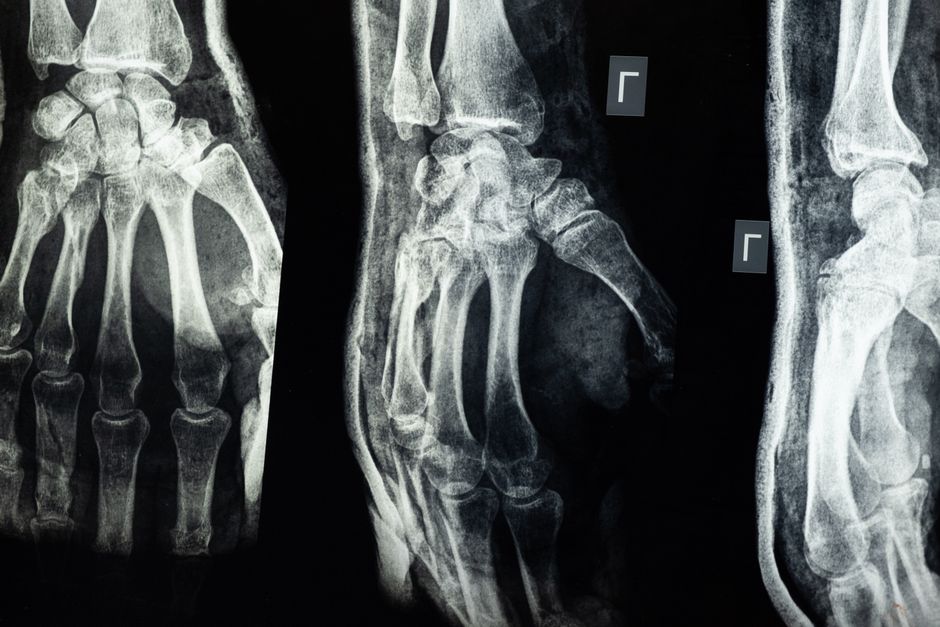
A hairline fracture, also called a stress fracture, feels like a deep, localized ache that worsens with activity and eases with rest. Most people describe it as a dull pain that sharpens when you put weight on the injured bone, rather than the sudden, searing pain of a complete break. The discomfort often builds gradually over days or weeks, sometimes starting as a vague soreness that is easy to dismiss as normal muscle fatigue.
What Does A Hairline Fracture Feel Like Compared to a Break?
The difference comes down to severity and mechanism. A complete fracture usually causes immediate, intense pain, visible deformity, and an inability to bear weight. A hairline fracture is a partial crack in the bone that often leaves the bone structurally intact enough to function.
You can often walk on a hairline fracture, though it will hurt. The pain typically fades quickly when you stop the activity that caused it. A complete break will not do that. If you cannot put any weight on the limb, or if the pain does not subside after 30 minutes of rest, this is more consistent with a complete fracture and requires immediate medical attention.
Where Do Hairline Fractures Usually Happen?
Hairline fractures occur most often in weight-bearing bones of the lower body. The most common locations include the metatarsals (the long bones in the foot), the tibia or shin bone, and the heel bone. They also appear in the ankle, hip, and lower spine.
These locations share one thing in common: they absorb repetitive force. When muscles become fatigued from overuse, they lose their ability to absorb shock. That force transfers directly to the bone. Over time, the bone develops tiny cracks that cannot heal fast enough to keep up with the damage.
What Are the Early Warning Signs?
The earliest sign is often a mild, nagging pain that appears only during exercise or a specific movement. Many athletes describe it as a “hot spot” on the bone that was not there the week before. At this stage, the pain disappears completely with rest, which is why so many people delay treatment.
As the crack worsens, the pain starts earlier in the activity and lasts longer after you stop. Eventually, it may hurt during normal daily activities like walking up stairs or standing for long periods. Swelling over the area is common, though not always visible. The bone may feel tender when you press directly on it.





Why Does the Pain Come and Go?
The pain pattern follows the mechanics of bone loading. When you apply force to a cracked bone, the crack widens slightly and puts pressure on the periosteum — the thin, highly sensitive membrane that covers the bone. This membrane is rich in nerve endings, which is why the pain feels so precise and localized.
When you remove the force, the crack returns to its resting position and the pressure on the periosteum drops. This is why rest provides rapid relief. It is also why the pain is often completely absent in the morning after a full night of unloading the bone, only to return during the day as you resume activity.
How Is a Hairline Fracture Diagnosed?
A doctor will start with a physical exam, pressing on the suspected bone to locate the exact point of tenderness. They may also perform a “hop test” where you stand on the affected leg and hop, which reliably reproduces pain in most lower-limb stress fractures.
X-rays are often normal in the first few weeks because hairline fractures are too thin to appear on standard imaging. If the X-ray is clear but the symptoms point to a stress fracture, an MRI or bone scan is the next step. These imaging methods can detect the subtle bone changes and inflammation that X-rays miss.
How Long Does Recovery Take?
Recovery time depends on the location and severity of the fracture. Most hairline fractures heal in 6 to 8 weeks with proper treatment. Some, like fractures of the navicular bone in the foot or the femoral neck in the hip, take longer because those bones have poor blood supply.
Treatment is straightforward: stop the activity that caused the fracture and allow the bone to rest. This often means wearing a walking boot or using crutches to keep weight off the bone. Ice and over-the-counter anti-inflammatory medication can help manage pain, but they do not speed healing. You can gradually return to activity only when pain-free walking is possible, and even then, the return should be slow and progressive.
What Happens if You Ignore It?
Ignoring a hairline fracture is risky because it can progress to a complete fracture. A bone weakened by an untreated stress fracture can break completely under normal daily stress. This is called a displaced fracture, and it often requires surgery to repair.
This progression is not rare. Studies consistently show that delayed treatment is the strongest predictor of a stress fracture worsening. The bone does not heal while you keep loading it. It only gets weaker. If pain persists for more than two weeks despite rest, medical evaluation is warranted.
How Can You Prevent Hairline Fractures?
Prevention centers on gradual training progression. The most common cause of stress fractures is a sudden increase in exercise intensity, duration, or frequency. The “10 percent rule” — increasing training volume by no more than 10 percent per week — is widely recommended by sports medicine clinicians, though individual tolerance varies.
Proper footwear matters. Shoes lose shock absorption over time, and worn-out shoes transfer more force to the bones of the foot and leg. Replacing athletic shoes every 300 to 500 miles of use is a common guideline. Cross-training that includes low-impact activities like swimming or cycling also reduces cumulative bone stress.
Nutrition plays a role that is often overlooked. Calcium and vitamin D are essential for bone remodeling and repair. Inadequate caloric intake, particularly in endurance athletes, is a known risk factor for stress fractures because the body cannot repair bone without sufficient energy and nutrients.
When Should You See a Doctor?
See a doctor if bone pain lasts more than a few days despite rest, or if the pain is severe enough to alter your gait. Immediate medical attention is needed if you cannot bear weight on the limb, if the area is visibly deformed, or if the pain is sudden and intense.
Some hairline fractures require more urgent treatment than others. Fractures of the hip, femoral neck, and navicular bone have higher complication rates and are typically treated more aggressively. A doctor can determine whether your specific fracture falls into a higher-risk category.
Frequently Asked Questions
Can you walk on a hairline fracture?
Yes, you can usually walk on a hairline fracture, but it will typically hurt, especially with weight-bearing activity. Walking on it delays healing and increases the risk of the crack progressing to a complete break.
How can you tell if a bone is bruised or fractured?
A bone bruise and a hairline fracture produce very similar symptoms, including localized pain and tenderness. Only imaging such as an MRI can reliably distinguish between the two, since both involve internal bone injury that X-rays often miss initially.
Does a hairline fracture hurt more at night?
Hairline fracture pain is usually worse during activity and better with rest, so nighttime pain is not typical unless you were active shortly before bed. Persistent night pain that wakes you from sleep is more concerning and warrants medical evaluation.
How long can you ignore a hairline fracture before it becomes a full break?
There is no set timeline, as it depends on the bone involved, the level of continued activity, and individual healing capacity. Continuing high-impact activity on an untreated stress fracture can cause it to complete within days or weeks.
