
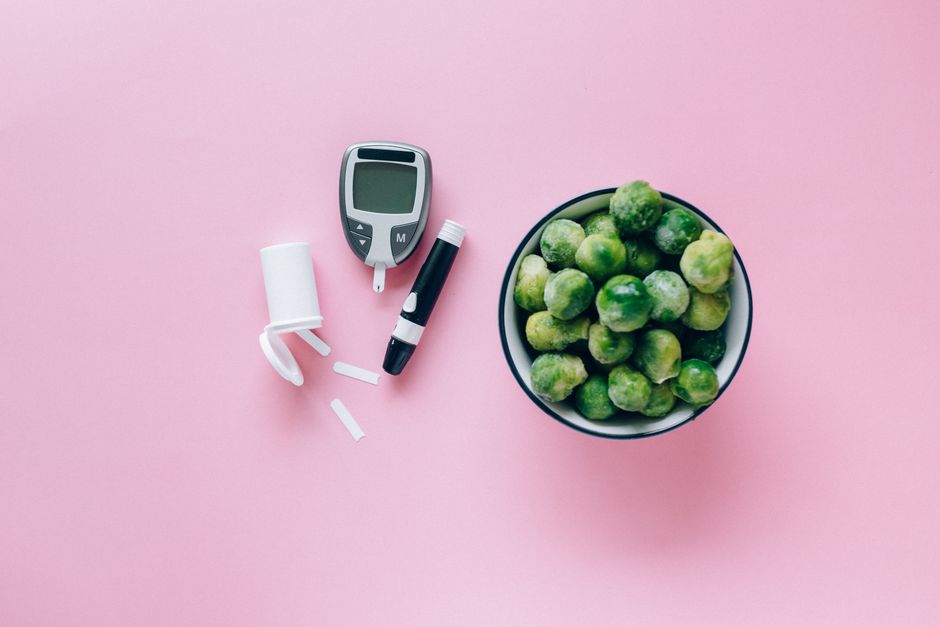
A diabetic diet is not a single prescribed menu. It is a way of eating built around three things: controlling how much carbohydrate you eat, choosing carbohydrates that digest more slowly, and matching your food intake to your medications and activity level. There is no one “diabetes diet” that works for everyone.
What matters most is blood glucose control over time. For most people with diabetes, that means paying attention to total carbohydrate intake, eating consistent amounts at meals, and choosing foods that support heart health. The specifics vary depending on the type of diabetes, medications, weight goals, and personal preferences.
What Does A Diabetic Diet Actually Consist Of?
At its core, a diabetic eating plan controls carbohydrate intake and emphasizes foods that do not spike blood sugar rapidly. Carbohydrates are the nutrient that raises blood glucose the most, so managing them is the central task.
But it is not only about carbs. A diabetic diet also includes adequate protein, healthy fats, fiber, and micronutrients. The plate method is one common approach: fill half your plate with non-starchy vegetables, one quarter with lean protein, and one quarter with carbohydrate-containing foods like whole grains or starchy vegetables.
There is no single macronutrient ratio that is proven best for everyone with diabetes. Some people do well with a moderate-carbohydrate approach. Others may benefit from a lower-carbohydrate plan. The evidence supports several patterns as effective, including Mediterranean-style eating, plant-based diets, and lower-carbohydrate approaches. What they share is an emphasis on whole foods over processed ones.
Consistency matters too. Eating meals at roughly the same times each day and keeping carbohydrate amounts similar from day to day can make blood glucose easier to predict and manage, especially for people taking insulin or certain oral medications.
Why Does Carbohydrate Matter More Than Sugar?
All carbohydrates break down into glucose, not just sugar. That is the key point many people miss. A slice of white bread, a potato, and a spoonful of honey all raise blood glucose. The speed and extent vary, but the effect is real.
This is why focusing only on “sugar” misses most of the picture. Starches like white rice, pasta, and bread can raise blood glucose as much as or more than many sweet foods. The total amount of carbohydrate in a meal is generally the strongest predictor of the blood glucose rise after eating.
That said, not all carbohydrates behave identically. Fiber, fat, and protein slow digestion and blunt the glucose rise. Whole grains, legumes, and intact fruits tend to raise blood glucose more gradually than refined grains and sugary drinks. This difference is one reason why food quality matters alongside quantity.
Fiber deserves specific mention. Adults generally need about 25 to 30 grams of fiber per day, according to USDA dietary guidelines. Most Americans get far less. Soluble fiber in particular can slow glucose absorption and improve blood cholesterol. Good sources include oats, beans, lentils, apples, and barley.
Which Foods Fit Into a Diabetic Diet?
The foods that fit are not exotic or expensive. They are largely the same foods recommended for general health, with more attention to carbohydrate portions.
Non-starchy vegetables should form the base of most meals. Broccoli, spinach, peppers, cauliflower, green beans, tomatoes, and similar vegetables are low in carbohydrate and high in fiber and nutrients.
Lean proteins include chicken, turkey, fish, eggs, tofu, beans, and lentils. Protein does not raise blood glucose significantly on its own and helps with satiety.
Healthy fats from olive oil, nuts, seeds, and avocados support heart health. Fat also slows digestion, which can flatten glucose curves after meals.
Carbohydrate sources should emphasize whole grains, legumes, fruit, and starchy vegetables like sweet potatoes. These provide fiber and nutrients alongside their carbohydrate content. Refined grains and added sugars should be limited but do not need to be eliminated entirely for most people.
- Whole grains: oats, brown rice, quinoa, whole wheat bread and pasta
- Legumes: black beans, chickpeas, lentils, kidney beans
- Fruits: berries, apples, oranges, pears — whole fruit, not juice
- Starchy vegetables: sweet potatoes, corn, peas, winter squash
- Dairy or alternatives: plain yogurt, milk, unsweetened plant milks
Highly processed foods — sugary drinks, white bread, most packaged snacks, and sweets — tend to raise blood glucose quickly and provide little nutritional value. They are not forbidden, but they are harder to fit into a glucose-controlled eating pattern.





How Do You Build a Plate That Works?
The plate method is a practical starting point that does not require counting or weighing food. It works by proportion rather than precise measurement.
Picture a nine-inch plate. Fill half with non-starchy vegetables. Fill one quarter with a lean protein. Fill the remaining quarter with a carbohydrate-containing food. Add a small amount of healthy fat, like a drizzle of olive oil or a few nuts.
This approach naturally limits carbohydrate to roughly a quarter of the meal while keeping portions reasonable. It is flexible enough to work with many cuisines and preferences.
For people who take insulin at meals, carbohydrate counting may be more appropriate than the plate method. Carbohydrate counting involves estimating the grams of carbohydrate in a meal and adjusting insulin accordingly. This requires education and practice, usually with a dietitian or diabetes educator.
Meal timing also matters for some people. Spacing meals evenly and avoiding large gaps can help prevent low blood glucose for those on certain medications. But the ideal timing varies by medication regimen and individual response.
Does the Type of Diabetes Change the Diet?
Yes, the approach differs by type, mainly because the underlying problem differs.
In type 1 diabetes, the body does not produce insulin. Carbohydrate intake must be matched with insulin doses. The diet itself can be flexible, but carbohydrate counting and consistency are usually essential.
In type 2 diabetes, the body still produces insulin but does not use it effectively, and production may decline over time. Weight loss, when appropriate, can improve insulin sensitivity substantially. Some people with type 2 diabetes can manage blood glucose with diet and exercise alone, at least for a period. Others need medication or insulin.
Gestational diabetes occurs during pregnancy. Dietary management is typically the first-line treatment, with careful attention to carbohydrate distribution across meals and snacks. Blood glucose targets in pregnancy are tighter than for non-pregnant adults, and monitoring is more frequent. No single diet is proven best for gestational diabetes, and guidance should come from a clinician.
What About Sugar Substitutes and “Diabetic” Foods?
Foods labeled “diabetic” or “sugar-free” are not automatically better choices. This is one of the more misleading areas in the grocery store.
Sugar-free products may still contain carbohydrate from starches, sugar alcohols, or other ingredients. Sugar alcohols like sorbitol and maltitol can raise blood glucose, though usually less than regular sugar. They can also cause digestive discomfort in larger amounts.
Non-nutritive sweeteners like aspartame, sucralose, and stevia do not raise blood glucose significantly. Regulatory agencies consider them safe at typical intake levels. Whether they help with long-term glucose control or weight management is less clear — the evidence is mixed, and some studies suggest they may not help as much as expected.
The practical takeaway: read labels for total carbohydrate, not just sugar. A product marketed as “diabetic-friendly” may still contain substantial carbohydrate.
Does Diet Alone Control Blood Glucose?
For some people with type 2 diabetes, diet and lifestyle changes can lower blood glucose enough to reduce or delay the need for medication. This is well documented, particularly when weight loss is part of the picture.
But diet alone is not sufficient for everyone. Type 1 diabetes always requires insulin. Many people with type 2 diabetes need medication or insulin regardless of diet, because the underlying insulin resistance and beta-cell dysfunction progress over time. Needing medication is not a failure of diet.
Physical activity also plays a role. Muscle contraction during exercise pulls glucose out of the blood without requiring insulin, which is one reason activity helps with glucose control. The effect is real but temporary, so regular activity matters more than occasional bursts.
Blood glucose monitoring provides feedback on how specific foods affect you. Two people can eat the same meal and see different glucose responses. Monitoring helps personalize the plan in a way general guidelines cannot.
What Does the Evidence Actually Show?
Several dietary patterns have been studied in people with diabetes. The strongest evidence supports eating patterns that emphasize whole foods, fiber, and unsaturated fats while limiting refined carbohydrates and added sugars.
Mediterranean-style diets have been associated with improved glucose control and cardiovascular outcomes in some studies. Lower-carbohydrate diets can improve glucose control in the short term, though long-term adherence and outcomes are less certain. Plant-based diets have also shown benefits in some research.
No single approach is proven superior for everyone. The best diet is one that controls blood glucose, supports heart health, and that you can sustain long term. Sustainability matters more than theoretical perfection.
What does not work is a rigid, unsustainable plan that leads to burnout and abandonment. A flexible, realistic approach with professional guidance tends to produce better results than a strict one that cannot be maintained.
Frequently Asked Questions
Can I eat fruit if I have diabetes?
Yes, fruit can fit into a diabetic diet. Whole fruit contains fiber that slows glucose absorption, though portion size still matters.
How many carbs should I eat per day with diabetes?
There is no single recommended amount — it varies by person, medication, and goals. Many guidelines suggest starting around 45 to 60 grams of carbohydrate per meal, but your clinician or dietitian can help set a target that fits you.
Is a keto diet good for diabetes?
Very low-carbohydrate diets can lower blood glucose in the short term, but long-term safety and adherence data are limited. They require medical supervision, especially for people on insulin or certain medications.
Do I have to give up all sugar?
No. Small amounts of sugar can fit within a carbohydrate-controlled plan. What matters most is total carbohydrate intake and overall food quality.
