
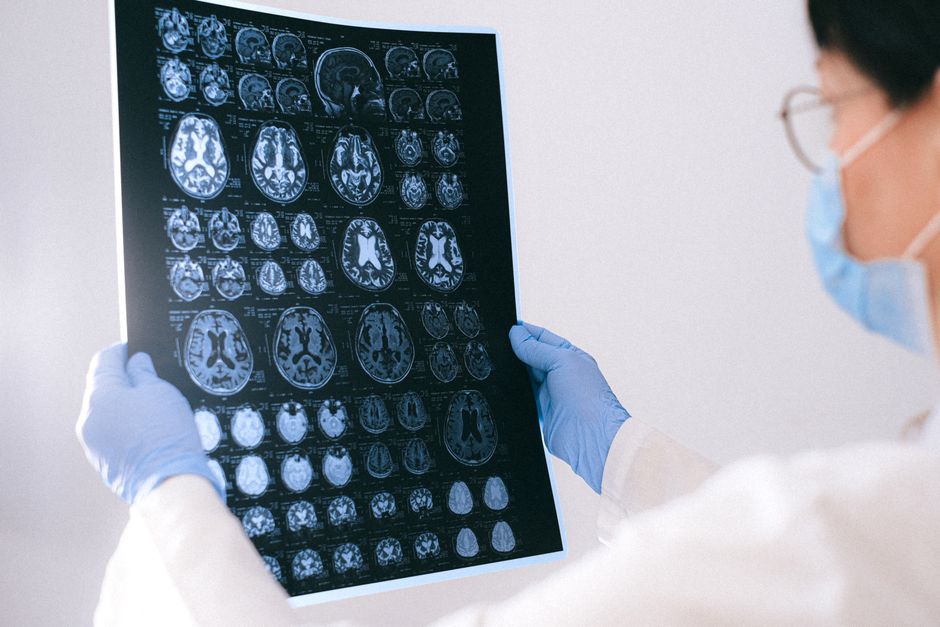
A CT scan with contrast is one of the most powerful imaging tools doctors have. It uses X-rays and a special dye to create detailed pictures of the inside of your body. The contrast material makes certain tissues, blood vessels, and organs stand out clearly on the scan. This allows radiologists to see things a regular CT scan might miss.
Think of it like this. A regular CT scan shows the shape and structure of your organs. A CT scan with contrast shows how those organs are working and whether blood is flowing properly. It highlights areas of inflammation, infection, or abnormal growth. For many conditions, this is the difference between a clear answer and more guessing.
How Does the Contrast Work Inside Your Body?
The contrast material is usually iodine-based. It is given through an IV line in your arm or hand. It travels through your bloodstream and gets absorbed by different tissues at different rates.
Tissues with a rich blood supply light up brightly on the scan. This includes things like tumors, infections, and areas of inflammation. Organs like your liver, kidneys, and spleen also show up clearly because they process blood. Blood vessels themselves become visible as bright white lines on the images.
The contrast does not stay in your body long. Your kidneys filter it out, and you pee it out within 24 hours. This is why people with kidney problems need to be careful with contrast scans. The kidneys have to work hard to clear the dye.
What Does a CT Scan With Contrast Show That a Regular CT Does Not?
A regular CT scan is good at showing bone fractures, large tumors, and fluid collections. It sees differences in density between tissues. But many soft tissues look similar on a regular scan. A regular CT cannot always tell a cyst from a solid tumor or an old scar from active inflammation.
Contrast changes that. It shows blood flow in real time. An area that gets more blood than normal lights up. An area that gets less blood stays dark. This pattern tells doctors a lot.
Here is what contrast specifically helps identify:
- Tumors and cancers — Cancerous tumors often grow new blood vessels. They soak up contrast faster than healthy tissue. This makes them “light up” on the scan.
- Infections and abscesses — Infected tissue has increased blood flow. The wall of an abscess will glow brightly while the pus inside stays dark.
- Blood clots and aneurysms — A clot blocks blood flow, so the area beyond it stays dark. An aneurysm shows as a bulging bright spot on a blood vessel.
- Inflammation — Conditions like appendicitis or diverticulitis cause the bowel wall to light up with contrast.
- Bleeding — Active bleeding shows up as bright contrast leaking outside a blood vessel.
The CDC reports that contrast CT scans detect about 85 percent of cancers that are present. That number drops significantly without contrast. For many cancers, a non-contrast CT is not enough for a diagnosis.
What Types of Conditions Are Diagnosed With Contrast CT?
Doctors order contrast CT scans for a wide range of problems. Each body part shows different things.
Abdomen and Pelvis
This is the most common use. Contrast CT of the abdomen shows the liver, pancreas, kidneys, spleen, and bowel. It finds tumors, cysts, abscesses, and blockages. For appendicitis, a contrast CT is the gold standard. Studies in the New England Journal of Medicine show it has over 95 percent accuracy for diagnosing appendicitis.
It also finds kidney stones. The contrast helps show if a stone is blocking urine flow. The kidney on the blocked side will show delayed contrast clearance.
Chest and Lungs
Contrast CT of the chest focuses on blood vessels and lymph nodes. It is the best test for a pulmonary embolism — a blood clot in the lung. The clot appears as a dark filling defect inside a bright vessel. The American College of Chest Physicians recommends contrast CT as the first test for suspected pulmonary embolism.
It also shows enlarged lymph nodes from lung cancer or infections. The contrast helps tell active cancer from scar tissue.
Brain and Head
Contrast CT of the brain finds tumors, abscesses, and areas of inflammation. It also shows bleeding from a stroke or aneurysm. A brain tumor will often light up in a ring pattern around a darker center. This is called ring enhancement.
For strokes, contrast CT can show which parts of the brain are still getting blood flow. This helps doctors decide if clot-busting drugs will work.
Blood Vessels (CT Angiography)
This is a specialized use. The contrast is timed to fill the arteries or veins specifically. It finds aneurysms, narrowing, and blockages throughout the body. The American Heart Association uses CT angiography as a standard test for coronary artery disease.





What Are the Risks and Side Effects?
Contrast CT scans are very safe for most people. But there are real risks to know about.
Allergic reactions happen in about 1 in 1,000 people. Most are mild — hives, itching, or nausea. Severe reactions are rare, about 1 in 10,000. They can include trouble breathing or a drop in blood pressure. If you have had a reaction before, tell your doctor. They can give you medication beforehand to prevent it.
Kidney damage is the biggest concern. The contrast dye can cause a condition called contrast-induced nephropathy. This is more likely in people with existing kidney disease, diabetes, or dehydration. The risk is about 2 to 5 percent in people with normal kidneys. In those with advanced kidney disease, the risk goes up to 20 percent or more.
Radiation exposure is another factor. A CT scan uses more radiation than a regular X-ray. One abdominal CT scan gives about the same radiation as 200 chest X-rays. The risk from a single scan is very small. But repeated scans over time add up. The National Cancer Institute states that the risk of cancer from a single CT scan is estimated at about 1 in 2,000 for a 40-year-old.
Here is a quick comparison of common imaging tests and their radiation levels:
| Imaging Test | Radiation Dose (mSv) | Equivalent Chest X-rays |
|---|---|---|
| Chest X-ray | 0.1 | 1 |
| Mammogram | 0.4 | 4 |
| CT head without contrast | 2 | 20 |
| CT abdomen with contrast | 10 | 100 |
| CT angiography | 15 | 150 |
Pregnant women should generally avoid contrast CT scans. The radiation can harm a developing baby. If you are pregnant or think you might be, tell your doctor before the scan.
How Should You Prepare for a Contrast CT Scan?
Preparation is simple but important. Your doctor will give you specific instructions based on what body part is being scanned.
Fasting — For abdominal scans, you usually need to avoid food for 4 to 6 hours before. This prevents food in the stomach from blocking the view. Clear liquids are usually fine.
Kidney function check — You will likely need a blood test to check your creatinine level. This tells your doctor how well your kidneys work. If your creatinine is high, the scan may be postponed or done without contrast.
Medication review — Some medications can affect the scan or increase risk. Metformin, a diabetes drug, is one example. You may need to stop it for 48 hours after the scan. Blood thinners may also need to be paused.
Allergy history — Tell your doctor about any allergies, especially to iodine or shellfish. The concern with shellfish is not exactly about iodine, as many people think. It is about a specific protein in shellfish. But the American College of Radiology still recommends caution and pre-treatment if you have a history of severe allergic reactions to any substance.
Hydration — Drink plenty of water before the scan. Being well-hydrated helps your kidneys clear the contrast faster and reduces the risk of kidney damage.
During the scan, you will lie on a table that slides into a large donut-shaped machine. The contrast is injected through an IV. You may feel a warm flush or a metallic taste in your mouth. This is normal and passes quickly. The scan itself takes only a few minutes. You need to hold still and hold your breath briefly when told.
What Do the Results Look Like?
The radiologist reads the images and writes a report. The report describes what the contrast shows. It will mention if any areas lit up abnormally or stayed dark.
A normal report means no significant findings. The contrast flowed evenly through all organs and blood vessels. Nothing stood out as suspicious.
An abnormal report might describe things like:
- “Enhancing mass in the liver” — This means a spot in the liver that soaked up more contrast than the surrounding tissue. It could be a tumor or an infection.
- “Non-enhancing area in the kidney” — This means a spot that did not take up contrast. It could be a cyst or a blocked blood vessel.
- “Thickened bowel wall with enhancement” — This often means inflammation from conditions like Crohn’s disease or colitis.
The report will also mention the size, shape, and location of any findings. Your doctor uses this information to decide the next steps. Sometimes the scan gives a clear diagnosis. Other times it points to the need for more tests, like a biopsy or MRI.
One thing that surprises many people is that contrast CT cannot always tell if a tumor is cancerous or benign. It can show that a mass is suspicious, but a biopsy is often needed for a final answer. The pattern of contrast uptake helps narrow it down, but it is not a definitive cancer test.
Frequently Asked Questions
How long does a CT scan with contrast take?
The actual scan takes about 10 to 30 minutes. The contrast injection and preparation add another 15 minutes. Plan for about an hour total.
Can you eat before a CT scan with contrast?
For most abdominal scans, you need to avoid food for 4 to 6 hours. For scans of the head or chest, eating is usually fine. Your doctor will tell you specifically.
Is it painful to get contrast for a CT scan?
The IV insertion feels like a quick pinch. The contrast itself may cause a warm sensation or a metallic taste. This lasts about a minute. It is not painful.
What happens if you are allergic to contrast dye?
If you have a known allergy, your doctor can give you medication beforehand to prevent a reaction. Severe reactions are rare. The scan is still safe with proper preparation.
