
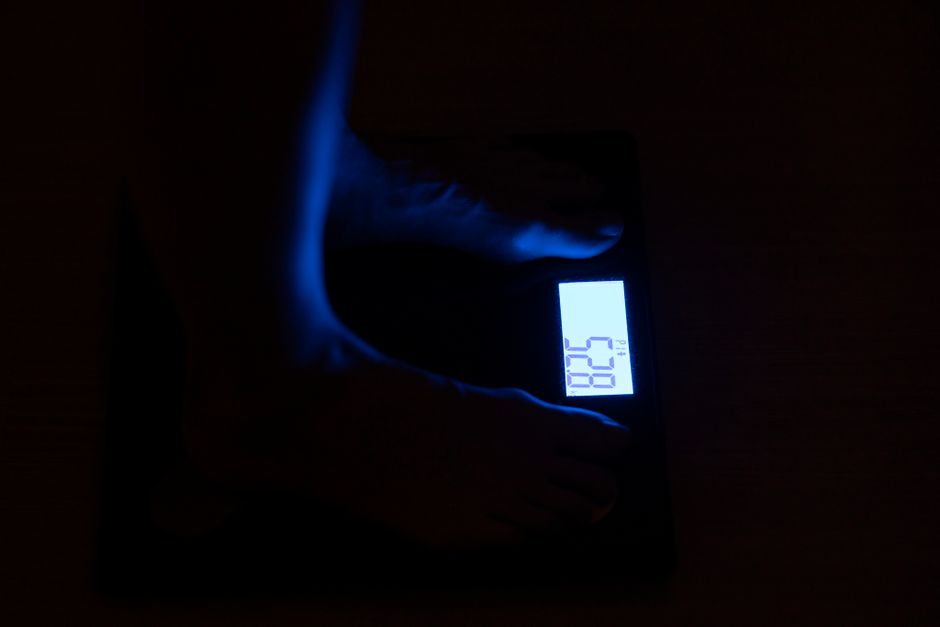
Visceral fat is the fat stored deep inside your belly, wrapped around your liver, intestines, and other organs. Your visceral fat numbers—whether from a smart scale, a tape measure, or an MRI—tell you how much of this hidden fat you carry. Unlike the fat you can pinch just under your skin, visceral fat is linked to higher risks for heart disease, type 2 diabetes, and metabolic problems. Knowing what your number means—and what it does not mean—helps you decide if you need to act.
What Is Visceral Fat and Why Does It Matter?
Visceral fat is not the same as the fat you can grab with your fingers. Subcutaneous fat sits right under the skin. Visceral fat lives deeper, inside the abdominal cavity. It surrounds organs like the liver, pancreas, and intestines.
This location matters. Visceral fat is metabolically active. It releases inflammatory molecules and hormones directly into your bloodstream. Over time, this can interfere with how your body uses insulin and processes sugar.
Research consistently shows that higher amounts of visceral fat are linked to higher risks of cardiovascular disease and type 2 diabetes. The exact amount that becomes dangerous varies from person to person. But in general, more visceral fat means more metabolic risk.
Some people are “metabolically obese but normal weight.” They may have a healthy BMI but still carry dangerous amounts of visceral fat. This is why looking at visceral fat numbers specifically can be more useful than weight alone.
How Do You Measure Visceral Fat?
There are several ways to measure visceral fat. Each method has different strengths and weaknesses. Some are highly accurate but expensive. Others are easy to do at home but less precise.
MRI and CT scans are the gold standard. They produce detailed images that let doctors measure visceral fat directly. These are not used for routine screening because they are costly and expose you to radiation in the case of CT. MRI does not use radiation but is still expensive.
DEXA scans (dual-energy X-ray absorptiometry) are commonly used for bone density testing. Many facilities also offer body composition analysis with DEXA. These scans can estimate visceral fat with reasonable accuracy. They use a small amount of radiation, less than a standard chest X-ray.
Bioelectrical impedance analysis (BIA) is what most smart scales use. The scale sends a tiny electrical current through your body. Fat resists the current more than muscle does. The scale uses this resistance to estimate body fat and visceral fat. These estimates are convenient but can be off by a meaningful amount. Hydration, recent meals, and even foot calluses can affect the reading.
Waist circumference is the simplest method. Wrap a tape measure around your bare waist, just above your hip bones. This does not directly measure visceral fat. But waist size correlates strongly with visceral fat in most people.
What Do Your Visceral Fat Numbers Really Mean?
A visceral fat rating of 1 to 12 is what most bioelectrical impedance scales report. A rating of 1 to 9 is generally considered healthy. A rating of 10 to 12 is considered elevated. A rating above 12 is considered high.
These numbers are estimates, not direct measurements. They are based on algorithms that predict visceral fat from your overall body composition. The algorithms work reasonably well for most people but can be inaccurate at the extremes. A very muscular person may get a higher reading. A person with significant subcutaneous fat may get a lower one.
For waist circumference, the thresholds are more firmly established. In the United States, a waist measurement above 35 inches for women and above 40 inches for men is considered elevated. These cutoffs were established by the National Institutes of Health and are widely used in clinical practice.
Neither measurement tells the whole story on its own. Your visceral fat number is one piece of information. Blood pressure, cholesterol, blood sugar, and family history all matter too. A high visceral fat reading is a reason to pay attention, not a diagnosis.





Why Smart Scale Readings Can Mislead You
Smart scales are popular because they are easy. Step on, get a number, and track it over time. But those numbers come with real limitations.
Bioelectrical impedance estimates are based on population averages. The scale compares your electrical resistance to data from thousands of other people. If your body type differs from the average, the estimate loses accuracy.
Hydration status is a major factor. If you are dehydrated, your body conducts less electricity. This can make your body fat estimate read higher than it really is. If you just drank a large glass of water, the opposite can happen.
Time of day matters too. Readings in the morning after fasting will differ from readings after a large meal. For the most useful trend data, weigh yourself at the same time each day, under similar conditions.
Despite these limitations, smart scales can still be useful for tracking trends. If your visceral fat rating trends upward over several months, that is meaningful. If it trends downward as you lose weight, that is encouraging. The absolute number matters less than the direction over time.
How to Reduce Visceral Fat Safely
Visceral fat responds well to lifestyle changes. Studies have found that visceral fat is often the first fat to go when people lose weight. This is good news—your efforts can produce meaningful changes relatively quickly.
Calorie reduction is the foundation. You cannot spot-reduce visceral fat. Losing overall body fat will reduce visceral fat. A modest calorie deficit—eating slightly fewer calories than your body burns—is the most reliable approach.
Aerobic exercise appears to be particularly effective for visceral fat. Activities like brisk walking, jogging, cycling, and swimming raise your heart rate and burn calories. The American Heart Association recommends at least 150 minutes of moderate-intensity aerobic activity per week.
Resistance training also helps. Building muscle increases your resting metabolic rate. This means you burn more calories even at rest. Combining aerobic and resistance training may be more effective than either alone.
Sleep matters. Short sleep is linked to higher visceral fat. Most adults need between seven and nine hours per night. Consistent, quality sleep supports hormone regulation, including the hormones that control appetite and fat storage.
Alcohol is worth examining. Excess alcohol intake is associated with increased abdominal fat. Reducing or eliminating alcohol can help, especially if you drink regularly.
No supplement has been proven to specifically target visceral fat. Many products claim to “burn belly fat.” None have strong clinical evidence behind them. The most honest approach is to focus on diet, exercise, and sleep.
When to Talk to Your Doctor
You do not need a specific visceral fat number to know if you should see a doctor. If your waist measurement is above 35 inches for women or 40 inches for men, a conversation with your healthcare provider is reasonable.
Your doctor can assess your overall metabolic health. They can check your blood pressure, fasting blood sugar, and cholesterol levels. These numbers, combined with your waist measurement, give a clearer picture of your risk.
Visceral fat is one risk factor among many. Some people with elevated visceral fat have normal blood work and low overall risk. Others have multiple risk factors that compound. Your doctor can help you understand your personal situation.
If you have diabetes, heart disease, or metabolic syndrome, managing visceral fat becomes more important. Your doctor can help you set realistic goals and monitor your progress.
The Bottom Line on Visceral Fat Numbers
Your visceral fat number is a helpful signal, not a verdict. It tells you something about your metabolic risk, but it does not define your health.
If your number is elevated, you have good reason to act. The evidence is strong that reducing visceral fat lowers metabolic risk. The path is not mysterious: eat slightly less, move more, sleep well, and be consistent.
If your number is in the healthy range, keep doing what you are doing. Maintain your habits and recheck periodically. Trends over time matter more than any single reading.
The most accurate way to know your visceral fat level is through medical imaging. But for most people, a tape measure and a smart scale provide enough information to guide sensible decisions. Use the numbers as a starting point, not an end point.
Frequently Asked Questions
What is a normal visceral fat rating?
A rating of 1 to 9 on most bioelectrical impedance scales is considered healthy. Ratings of 10 to 12 are elevated, and above 12 is high.
Can you reduce visceral fat without losing weight?
Visceral fat typically decreases alongside overall weight loss. Some research suggests exercise can reduce visceral fat even without significant weight change, but calorie reduction remains the most reliable method.
How long does it take to lose visceral fat?
Visceral fat often responds within weeks to a consistent calorie deficit and exercise program. Many people see measurable changes within 6 to 12 weeks, though individual results vary.
Is a smart scale accurate for measuring visceral fat?
Smart scales provide estimates, not direct measurements. They are useful for tracking trends over time but can be affected by hydration, meal timing, and individual body differences.
