
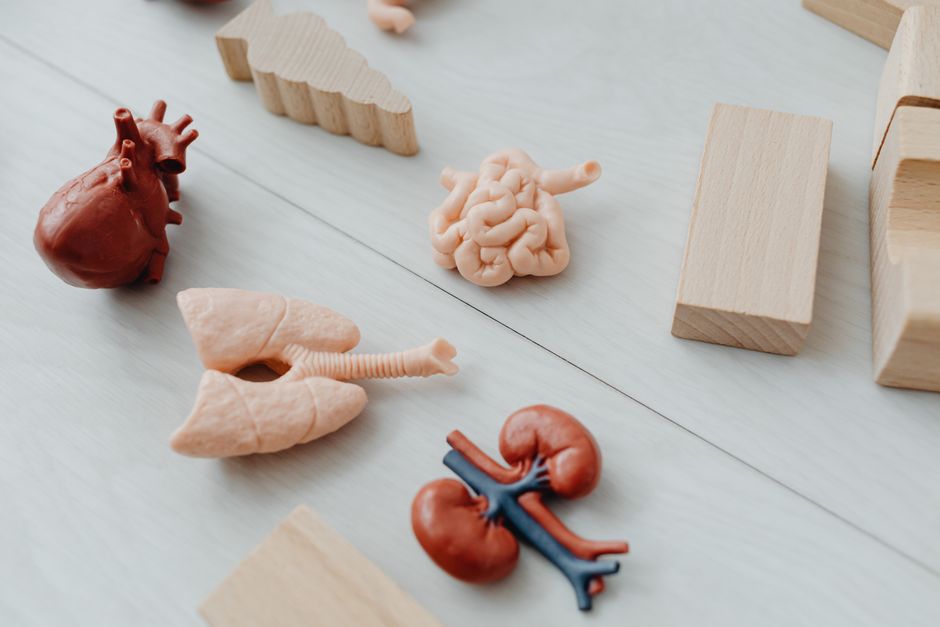
Your kidneys are two fist-sized organs located just below your ribcage on either side of your spine. They filter about 150 quarts of blood every single day, removing waste, extra fluid, and balancing minerals like sodium and potassium. Without working kidneys, toxins build up in your blood quickly, which is why people with kidney failure need dialysis or a transplant to survive.
What Exactly Do Your Kidneys Filter Out of Your Blood?
Think of your kidneys as a high-end water treatment plant for your body. Blood flows into each kidney through the renal artery, passes through about a million tiny filtering units called nephrons, and exits cleaner than it entered. The waste products your kidneys remove include urea (from protein breakdown), creatinine (from muscle activity), and uric acid (from food digestion).
Your kidneys also pull out excess drugs and toxins. If you take medication, your kidneys are likely the ones clearing it from your system. The CDC reports that chronic kidney disease affects about 1 in 7 US adults, often because these filters get damaged slowly over years without noticeable symptoms.
The filtered waste mixes with water to become urine, which travels down tubes called ureters to your bladder. That is the simple version. The real process involves complex chemical exchanges that keep your blood chemistry stable no matter what you eat or drink.
How Do Your Kidneys Control Your Blood Pressure?
Your kidneys are not just filters. They are also your body’s blood pressure regulators. When your kidneys sense that blood pressure is too low, they release an enzyme called renin. This starts a chain reaction that narrows your blood vessels and signals your body to hold onto salt and water, which raises blood volume and pressure.
This system works well when you are dehydrated or losing blood. But it becomes a problem when kidneys are damaged and constantly release renin even when blood pressure is normal. The American Heart Association notes that kidney disease is both a cause and a result of high blood pressure, creating a dangerous cycle.
Some blood pressure medications, like ACE inhibitors, work by blocking this kidney-driven process. That is why doctors often prescribe them for people with kidney issues. The kidneys also produce a hormone called erythropoietin, which tells your bone marrow to make red blood cells. Damaged kidneys cannot make enough of this hormone, leading to anemia.
What Happens When Your Kidneys Stop Working Properly?
Kidney disease usually develops silently. Early stages have no symptoms because healthy kidney tissue compensates for damaged tissue. By the time symptoms appear, kidney function is often below 30 percent. The National Kidney Foundation estimates that 90 percent of people with chronic kidney disease do not know they have it.
When kidneys fail, waste products build up in the blood. This causes fatigue, swelling in the legs and ankles, shortness of breath, nausea, and confusion. Fluid builds up because the kidneys cannot remove excess water. Potassium levels rise to dangerous levels, which can stop your heart.
There are two main types of kidney failure: acute and chronic. Acute kidney injury happens suddenly, often from dehydration, infection, or medication side effects, and can sometimes be reversed. Chronic kidney disease develops over months or years and is usually permanent. Diabetes and high blood pressure cause about two-thirds of all chronic kidney disease cases.





What Can You Do to Keep Your Kidneys Healthy?
Research published in the New England Journal of Medicine found that controlling blood pressure is the single most effective way to slow kidney disease progression. Keeping blood pressure below 130/80 mmHg is the standard target. For people with diabetes, keeping blood sugar under control reduces kidney damage risk by about 40 percent.
Diet matters, but not in the way many online articles claim. The evidence is clear that reducing sodium intake helps, but there is no strong evidence that specific “kidney cleanse” diets or detox teas do anything useful. What does help is eating a balanced diet with moderate protein, plenty of vegetables, and limited processed foods.
Stay hydrated, but do not overdo it. Drinking too much water does not “flush” your kidneys better. Your kidneys regulate fluid balance precisely. Drinking when you are thirsty is usually enough. The one exception is if you have kidney stones, in which case doctors often recommend increasing fluid intake to prevent stone formation.
Common medications that can harm kidneys include:
- Nonsteroidal anti-inflammatory drugs (NSAIDs) like ibuprofen and naproxen, especially with long-term daily use
- Some antibiotics and antiviral medications
- Certain blood pressure medications if taken incorrectly
- Herbal supplements that are not regulated or tested
How Do Doctors Test Your Kidney Function?
Two simple blood tests give doctors a clear picture of kidney health. The first measures creatinine, a waste product from muscle activity. The second calculates your estimated glomerular filtration rate (eGFR), which estimates how well your kidneys filter blood based on your creatinine level, age, sex, and race.
A normal eGFR is above 90. Below 60 for three months or longer means chronic kidney disease. Below 15 means kidney failure, and dialysis or transplant is usually needed. A urine test for albumin, a type of protein, can detect kidney damage even when eGFR is normal. The CDC recommends annual kidney testing for people with diabetes, high blood pressure, or a family history of kidney disease.
Table comparing normal and abnormal kidney function markers:
| Test | Normal Range | Concerning Range |
|---|---|---|
| eGFR | Above 90 mL/min | Below 60 for 3+ months |
| Creatinine | 0.7-1.3 mg/dL | Above 1.3 mg/dL |
| Urine albumin | Under 30 mg/g | Above 30 mg/g |
| Blood urea nitrogen (BUN) | 7-20 mg/dL | Above 20 mg/dL |
Common Misconceptions About Kidneys
One popular myth is that drinking cranberry juice cleans your kidneys. Cranberry juice is helpful for preventing urinary tract infections, but there is no evidence it improves kidney function or removes waste. Another myth is that back pain always means kidney problems. Kidney pain is usually felt higher up, near the lower ribs, and is a dull ache rather than a sharp pain. Most lower back pain is from muscles or spine issues.
Some people believe that eating too much protein damages healthy kidneys. Research published in JAMA Internal Medicine found that high protein intake does not cause kidney damage in people with normal kidney function. However, for people with existing kidney disease, reducing protein intake can slow disease progression. The key is knowing your kidney status first.
There is also a common idea that you should drink eight glasses of water daily for kidney health. The National Academies of Sciences recommends about 3.7 liters daily for men and 2.7 liters for women, but that includes water from food and other beverages. Drinking more than your body needs does not improve kidney function and can actually be dangerous if you have certain medical conditions.
Frequently Asked Questions
Can your kidneys repair themselves?
Mild kidney damage can heal on its own, especially if it is acute and caught early. Chronic damage usually does not reverse because scar tissue replaces functioning kidney cells.
What color is urine from healthy kidneys?
Healthy urine is pale yellow to amber, depending on how hydrated you are. Dark brown or red urine can signal kidney problems or other medical issues.
Do kidney stones always cause symptoms?
Small kidney stones often pass without causing any symptoms. Larger stones can cause severe pain in the back or side, blood in urine, and nausea.
Can you live with one kidney?
Yes, most people with one healthy kidney live normal lives with no restrictions. The remaining kidney enlarges slightly to handle the extra workload.
