
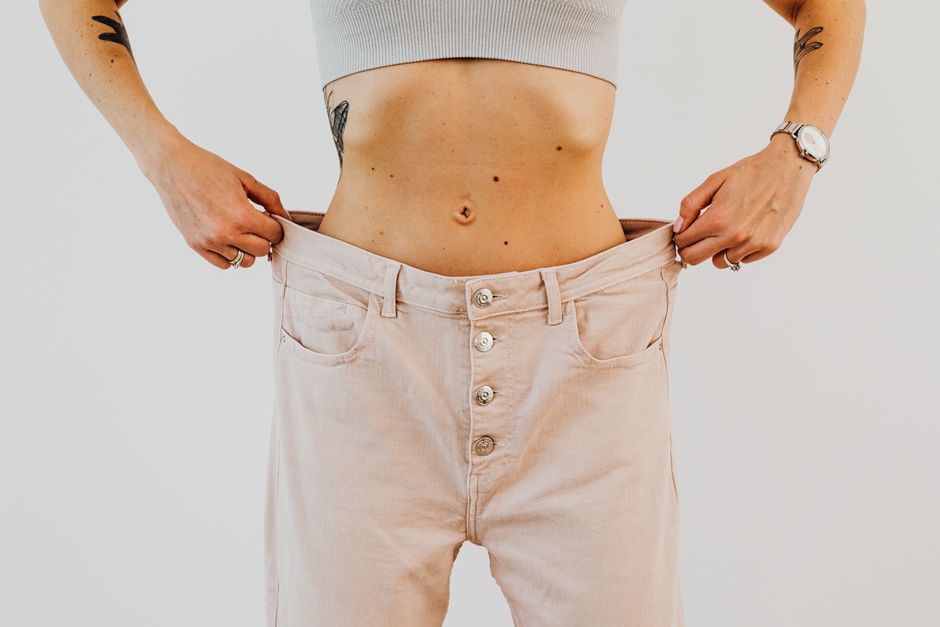
Weight loss comes down to a consistent calorie deficit — eating fewer calories than your body burns. But the foods you choose matter far beyond the calorie count. The right foods keep you full, stabilize your energy, and make the deficit feel manageable instead of miserable. The wrong foods leave you hungry, tired, and more likely to quit.
What Do You Eat To Lose Weight?
You eat foods that are high in protein, high in fiber, and low in energy density. That combination keeps you satisfied on fewer calories. Lean meats, fish, eggs, beans, lentils, vegetables, and whole fruits should make up the bulk of your plate. These foods deliver nutrients your body needs while naturally limiting how much you eat.
Protein is the most important nutrient for weight loss. It preserves muscle mass while you lose fat, and it reduces hunger more effectively than carbohydrates or fat. Studies consistently show that higher-protein diets improve weight loss results and help people maintain the loss over time.
Fiber works differently. It adds bulk without adding many calories, slows digestion, and keeps blood sugar steady. Vegetables, fruits, beans, and whole grains provide the fiber that makes a weight loss diet sustainable.
How Much Protein Do You Need Daily?
Most adults aiming for weight loss should target roughly 1.6 to 2.2 grams of protein per kilogram of body weight each day. For a person weighing 80 kilograms (176 pounds), that equals about 128 to 176 grams of protein daily. This range is supported by sports nutrition research and is commonly recommended by clinicians for body composition goals.
Spreading protein across meals matters as much as the total amount. Aim for 25 to 40 grams of protein per meal. This pattern supports muscle preservation and keeps hunger in check throughout the day rather than in one large evening meal.
Good protein sources include chicken breast, turkey, lean beef, fish, eggs, Greek yogurt, cottage cheese, tofu, tempeh, and legumes. Each of these provides complete or nearly complete protein profiles that support muscle maintenance during a calorie deficit.
Which Vegetables Should Fill Half Your Plate?
Non-starchy vegetables are the most reliable weight loss foods available. They are extremely low in calories, high in water content, and packed with fiber. You can eat a large volume of them for very few calories, which helps you feel full without exceeding your energy needs.
Broccoli, spinach, kale, cauliflower, bell peppers, zucchini, asparagus, green beans, and cabbage all fit this category. A full cup of cooked broccoli contains roughly 55 calories. A cup of raw spinach contains about 7 calories. These foods allow you to build a large, satisfying meal without blowing your calorie budget.
The practical rule is simple: make vegetables half of every plate. This approach automatically reduces the portion of calorie-dense foods you eat while increasing your intake of vitamins, minerals, and antioxidants.



Are Whole Fruits Good for Weight Loss?
Whole fruits are beneficial for weight loss despite containing natural sugars. The fiber in whole fruit slows sugar absorption, prevents blood sugar spikes, and promotes satiety. Apples, berries, oranges, pears, and grapefruit are particularly high in fiber and water content.
Berries deserve special attention. Strawberries, blueberries, raspberries, and blackberries are among the lowest-calorie fruits while being exceptionally high in fiber. A cup of raspberries contains about 64 calories and 8 grams of fiber — a rare ratio that makes them excellent for weight loss.
Fruit juice is a different story. Juicing removes the fiber and concentrates the sugar. A glass of orange juice contains the sugar of several oranges without the satiety benefit. Choose whole fruit over juice whenever possible.
What About Whole Grains and Carbohydrates?
Carbohydrates are not the enemy in weight loss. The type and portion matter more than whether you eat them at all. Whole grains provide fiber, B vitamins, and minerals that support overall health and sustained energy.
Oats, quinoa, brown rice, barley, and whole wheat products are better choices than their refined counterparts. A half-cup serving of cooked quinoa contains about 111 calories and 2.5 grams of fiber. The same serving of white rice contains about 103 calories but less than 1 gram of fiber.
The key is portion control. A serving of whole grains is roughly the size of your clenched fist. Many people underestimate how quickly grain portions add up, which is why weighing or measuring food in the early stages of weight loss helps more than people expect.
Which Fats Support Weight Loss?
Fats are calorie-dense at 9 calories per gram, so they require more careful portioning. But healthy fats are essential for hormone production, nutrient absorption, and long-term adherence to a weight loss plan.
Avocados, nuts, seeds, and olive oil provide unsaturated fats that support heart health. The portion sizes are small but satisfying. A quarter of an avocado is a reasonable serving. A small handful of almonds — about 23 nuts — contains roughly 160 calories and provides healthy fats, protein, and fiber.
The biggest mistake people make with fats is treating them as unlimited because they are “healthy.” Nut butters, olive oil, and avocados are still calorie-dense. Measuring these foods is important, especially early on when you are learning what appropriate portions look like.
What Foods Should You Limit or Avoid?
Sugar-sweetened beverages are the single worst choice for weight loss. Liquid calories do not trigger the same fullness signals as solid food. A regular soda contains about 150 calories with zero nutritional value and no satiety benefit. Replacing one soda per day with water could reduce your weekly intake by over 1,000 calories.
Ultra-processed foods deserve caution. Chips, cookies, pastries, fast food, and packaged snacks are engineered to be hyper-palatable, meaning they are easy to overeat. They combine high fat, high sugar, and low fiber in ways that bypass your natural fullness cues. Research consistently links higher intake of ultra-processed foods with greater calorie consumption and weight gain.
Refined grains — white bread, white pasta, white rice — are less filling than whole grains for the same calorie count. They spike blood sugar quickly and leave you hungry sooner. Swapping these for whole grain versions is one of the simplest changes you can make.
How Should You Structure Your Meals?
A simple plate method works well for most people. Fill half your plate with non-starchy vegetables, one quarter with lean protein, and one quarter with whole grains or starchy vegetables. Add a small serving of healthy fat and you have a nutritionally balanced meal that supports weight loss.
Meal timing is less important than total daily intake. Some people do well with three meals and no snacks. Others prefer smaller, more frequent meals. Both approaches work if total calories are controlled. The best schedule is the one you can maintain consistently.
Meal preparation helps more than any specific eating schedule. Cooking at home gives you control over ingredients and portions. Restaurant meals — even “healthy” ones — tend to be higher in calories, sodium, and fat than home-cooked versions of similar dishes.
What Role Does Water Play in Weight Loss?
Water supports weight loss in several practical ways. Drinking water before meals increases fullness and reduces calorie intake at that meal. Replacing sugary drinks with water eliminates a major source of empty calories. And mild dehydration can be mistaken for hunger, leading to unnecessary eating.
There is no universal rule for how much water you need. Thirst is generally a reliable guide for most healthy adults. Urine color is a practical indicator — pale yellow suggests adequate hydration, while dark yellow suggests you need more fluids.
Water itself does not burn fat. No evidence shows that drinking extra water beyond your needs accelerates weight loss. But as a replacement for calorie-containing beverages and a tool for portion control, it is genuinely useful.
Frequently Asked Questions
Can I eat carbs and still lose weight?
Yes. Whole grains, fruits, and vegetables provide carbohydrates that support weight loss when portions are controlled. The problem is refined carbs and excessive portions, not carbohydrates themselves.
How many calories should I eat to lose weight?
That depends on your age, sex, weight, and activity level. A common starting point is reducing your maintenance intake by 500 calories per day, which typically produces about one pound of weight loss per week, but individual needs vary.
Is it better to eat small meals throughout the day?
No strong evidence shows that frequent small meals boost metabolism compared to fewer larger meals. Choose the eating pattern that keeps you satisfied and consistent with your calorie target.
What is the best breakfast for weight loss?
High-protein breakfasts with fiber — such as eggs with vegetables or Greek yogurt with berries — keep you full longer than cereal or toast. The key is protein and fiber in the morning to reduce hunger later in the day.
