
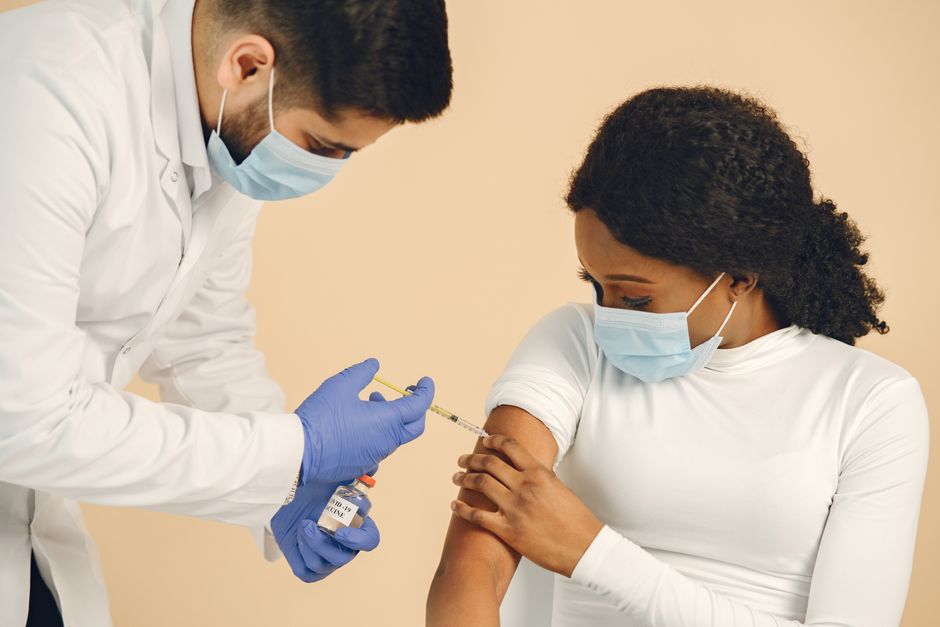
Vaccines do not all work the same way. Some prevent infection entirely. Others prevent severe symptoms but not the infection itself. The distinction matters for how you understand your own protection and the protection of those around you.
Most vaccines work by teaching your immune system to recognize a specific pathogen before you encounter it. Whether that results in sterilizing immunity or symptom prevention depends on the vaccine technology, the disease, and how the pathogen behaves in the body.
What Does It Mean For A Vaccine To Prevent Infection?
Preventing infection means the virus or bacteria never establishes itself in your body in the first place. This is called sterilizing immunity. The immune system stops the pathogen at the point of entry before it can replicate enough to cause illness or spread to others.
True sterilizing immunity is difficult to achieve. It requires antibodies at the exact site where the pathogen enters — the nose, throat, or lungs — that are strong enough and present in high enough numbers to neutralize the virus immediately.
Measles vaccine is a good example. The measles vaccine produces high levels of antibodies that neutralize the virus quickly. Most vaccinated people exposed to measles never develop any detectable infection. They cannot pass the virus to others because the virus never multiplies in their body.
HPV vaccine also prevents infection rather than just symptoms. The vaccine generates antibodies that block the virus from entering cells in the first place, which is why it prevents cervical cancer and other HPV-related cancers so effectively.
What Does It Mean For A Vaccine To Prevent Symptoms?
Some vaccines do not stop the pathogen from entering your body. Instead, they stop it from causing severe illness once it gets in. This is called disease modification or symptom prevention.
The immune system recognizes the pathogen and responds quickly, but the pathogen still replicates to some degree. You may develop mild symptoms or no symptoms at all. The key difference is that severe disease, hospitalization, and death are largely prevented.
The COVID-19 vaccines are the clearest example. The original mRNA vaccines were highly effective at preventing severe disease, hospitalization, and death. Their ability to prevent any infection at all was good initially but declined over time as new variants emerged.
This is not a vaccine failure. Preventing severe disease is the primary goal of most vaccines. It is just a different outcome than preventing infection entirely.
The flu vaccine works the same way. It reduces your risk of getting seriously ill from influenza, but it does not guarantee you will not catch the virus. The flu virus mutates constantly, so vaccine effectiveness varies from year to year.
Why Do Some Vaccines Prevent Infection And Others Only Symptoms?
The pathogen itself determines what is possible. Some viruses are easier to block than others.
Viruses that enter the bloodstream through a bite or a needle can be blocked by antibodies circulating in the blood. Hepatitis B vaccine works this way. The virus must travel through the blood to reach the liver, and antibodies in the blood stop it before it arrives.
Respiratory viruses are harder to block. They enter through the nose and throat, where they immediately infect mucosal cells. Antibodies in the blood cannot reach these cells easily. The virus gets a head start before the immune system catches it.
Viruses that mutate rapidly are also harder to block entirely. Influenza and coronaviruses change their surface proteins constantly. A vaccine designed against one version may not fully neutralize a newer version. The immune system still recognizes enough of the virus to respond, but the response is not fast enough to stop infection entirely.
Vaccine technology matters too. Live attenuated vaccines — like measles, mumps, and rubella — create a strong, long-lasting immune response that closely mimics natural infection. This often produces sterilizing immunity.
Subunit, inactivated, and mRNA vaccines may require boosters to maintain high enough antibody levels to prevent infection. Their primary strength is preventing severe disease.




Does Preventing Symptoms Still Reduce Transmission?
Yes, but not completely. A person who is vaccinated and infected with a virus can still potentially pass it to others.
When a vaccinated person gets infected, they typically have lower viral loads than an unvaccinated person. Lower viral loads generally mean less transmission. But the virus is still present, and spread can still occur.
This is why public health guidance sometimes changes based on vaccination status and transmission levels. During the COVID-19 pandemic, vaccinated people were initially told they did not need to mask, then later advised to mask anyway because breakthrough infections could transmit the virus.
The important fact is this: a vaccine that prevents severe disease still reduces overall transmission in a community. Fewer severe cases mean fewer people shedding large amounts of virus. The effect is real, just not complete.
Some research suggests that vaccinated people who get infected clear the virus faster than unvaccinated people. Faster clearance means a shorter window of infectiousness.
What Do Breakthrough Infections Actually Mean?
A breakthrough infection is any infection that occurs in a vaccinated person. The term sounds alarming, but it is expected for most vaccines.
No vaccine is 100 percent effective. Clinical trials measure vaccine efficacy under controlled conditions. Real-world effectiveness can be lower because of waning immunity, new variants, and individual differences in immune response.
A breakthrough infection does not mean the vaccine failed. The vaccine may have prevented what would have been a much worse illness. A vaccinated person with a mild cold-like illness might have been hospitalized without the vaccine.
Breakthrough infections are more common with respiratory viruses than with diseases like measles or polio. This is not because respiratory vaccines are inferior. It is because respiratory viruses have a harder entry point to defend.
How Long Does Protection Last?
Duration of protection varies by vaccine and disease. Some vaccines provide lifelong immunity. Others require boosters.
Measles, mumps, rubella, and hepatitis B vaccines provide protection that lasts for decades, likely life. The immune system produces memory cells that respond quickly if the pathogen reappears.
Tetanus and diphtheria vaccines require boosters every 10 years. The antibody levels decline over time, and a booster restores them.
COVID-19 and flu vaccines provide protection that wanes within months. This is why updated versions are developed periodically. The protection against severe disease lasts longer than the protection against infection, but it also declines over time.
The distinction between infection and symptom prevention becomes especially important here. A vaccine whose infection-preventing ability wanes may still prevent severe disease for much longer. The immune memory remains even when antibody levels drop.
What Do Vaccines Actually Prevent Infection Or Symptoms — The Bottom Line
Vaccines prevent infection when they can stop a pathogen at the door. They prevent symptoms when the pathogen gets in but cannot do serious damage.
Both outcomes are valuable. Preventing infection protects you and those around you. Preventing severe symptoms protects you from hospitalization, long-term complications, and death.
When you hear that a vaccine does not prevent infection, that is not the same as saying it does not work. It may be doing exactly what it was designed to do — keeping you out of the hospital.
When you hear that a vaccine prevents infection, that is a higher bar, and only some vaccines meet it. Both types of protection save lives.
The next time you see a headline about vaccine effectiveness, ask which outcome is being measured. The answer changes what the headline actually means.
Frequently Asked Questions
Can a vaccinated person still spread the virus to others?
Yes, in some cases. Vaccines that prevent severe symptoms but not infection can allow the virus to replicate and be transmitted.
Does a breakthrough infection mean the vaccine failed?
No. Breakthrough infections are expected for most vaccines, especially against respiratory viruses, and the vaccine still reduces the severity of illness.
Which vaccines provide sterilizing immunity?
Measles, mumps, rubella, HPV, and hepatitis B vaccines are examples that prevent infection in most vaccinated people.
Why do I need a flu shot every year but not a measles shot?
Measles virus does not mutate significantly, and the vaccine provides lasting immunity. Flu virus changes constantly, so the vaccine must be updated and repeated.
