
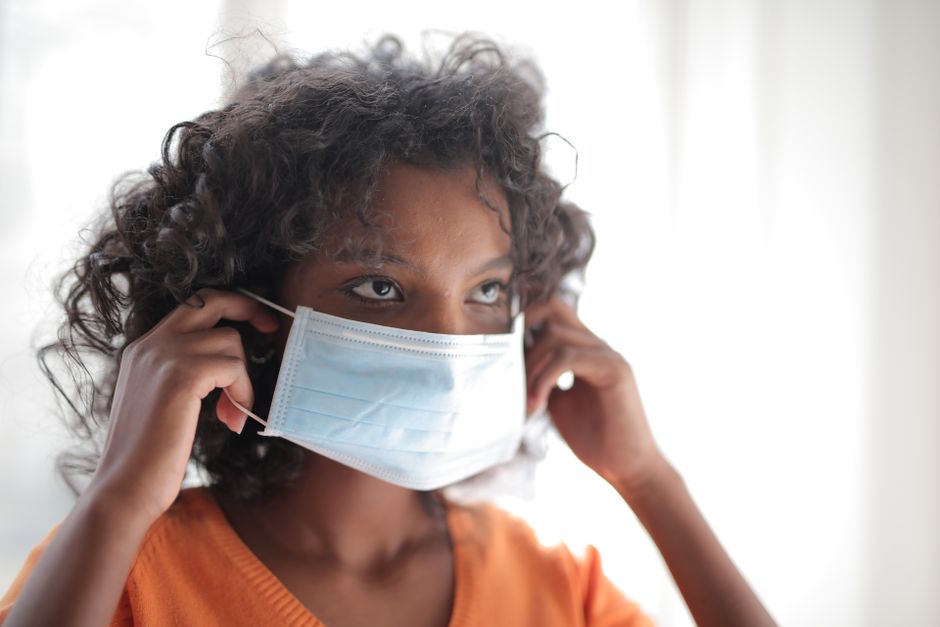
A mask is not a reliable way to prevent norovirus infection. Norovirus spreads mainly through contaminated food, water, surfaces, and hands that end up near your mouth. Masks can block some respiratory droplets, but norovirus is not primarily a respiratory virus. The step that matters most is washing your hands well with soap and water.
Does A Mask Help Prevent Norovirus Infection?
For norovirus, a mask offers limited protection at best. The virus is exceptionally contagious and spreads through a route that masks do not address well: the fecal-oral route.
That means tiny amounts of stool or vomit from an infected person get onto surfaces, food, or hands, and then into someone else’s mouth. A mask covers your nose and mouth. It does nothing about the hand-to-mouth transfer that drives most norovirus cases.
Masks do have a role in one specific setting. When a sick person is vomiting, virus can become airborne in fine particles that land on surfaces and can be breathed in. A mask on the person who is ill, or on a caregiver cleaning up after them, may reduce exposure to those particles. This is a narrow use case, not general prevention.
Norovirus is the leading cause of foodborne illness in the United States. It causes sudden vomiting and diarrhea, and it takes very few virus particles to make someone sick. That low infectious dose is why hand hygiene and surface cleaning matter so much more than a face covering.
Why Norovirus Spreads So Easily
Norovirus is one of the most contagious viruses known. A small number of virus particles can cause illness, and people shed enormous amounts of virus in their stool and vomit while sick.
There is a detail many people miss. You can spread norovirus before you feel sick and for days after you recover. Symptoms usually start 12 to 48 hours after exposure and last about 1 to 3 days in most healthy people. But the virus can still be in your stool for two weeks or more after you feel better.
The main routes of spread are:
- Eating food handled by someone who is infected, especially ready-to-eat foods
- Drinking contaminated water
- Touching a contaminated surface and then touching your mouth
- Close contact with someone who is sick, including caring for them
- Breathing in particles from vomit or, less commonly, from diarrhea
Outbreaks are common in places where people are close together and share spaces: cruise ships, nursing homes, schools, and restaurants. Those settings are about shared surfaces and shared food more than shared air.
What Actually Works to Prevent Norovirus
Handwashing with soap and water is the single most effective step. This is where norovirus prevention lives.
Here is the part people get wrong. Alcohol-based hand sanitizers do not work well against norovirus. The virus has a tough outer shell that alcohol does not break down easily. Health agencies consistently recommend soap and water over sanitizer when norovirus is a concern. Wash for at least 20 seconds, and always after using the bathroom, changing diapers, or before preparing food.
Other measures that help:
- Wash fruits and vegetables and cook shellfish thoroughly
- Clean and disinfect surfaces with a chlorine bleach solution, which is effective against norovirus
- Wash laundry that may be contaminated, including bedding and clothing, with hot water and detergent
- Stay home while sick and for at least two days after symptoms stop
- Do not prepare food for others while sick and for a few days after you recover
Cleaning matters more than many people realize. Norovirus can survive on hard surfaces for days. Standard disinfecting wipes may not be enough. A bleach-based cleaner is the recommended choice for contaminated surfaces.





When a Mask Might Still Make Sense
A mask can reduce exposure to virus-laden particles in a few narrow situations. These are worth knowing, but they are not a prevention strategy on their own.
If you are cleaning up after someone who has vomited, a mask may lower how many airborne particles you breathe in. The act of vomiting and the cleanup itself can send particles into the air. Wearing a mask during that task, along with gloves, is a reasonable added layer.
If you are sick and cannot avoid being near others, a mask may reduce the particles you release. But it will not stop you from contaminating surfaces and food with your hands, which is the bigger concern with norovirus.
What a mask does not do is protect you from the main threat. If you touch a contaminated doorknob and then touch your face, a mask over your mouth will not help. The virus reaches you through your hands far more often than through the air.
Why the Mask Confusion Exists
People often lump all infections together and assume one tool works for all of them. Masks became a familiar symbol of infection control during the COVID-19 pandemic, and that association carried over to other illnesses.
But viruses differ in how they spread. Respiratory viruses like influenza and the virus that causes COVID-19 spread largely through the air and through droplets. Masks address that route. Norovirus spreads mainly through contact with contaminated material and then the mouth. That is a different problem that needs a different solution.
Norovirus is sometimes called the “stomach flu,” which adds to the confusion. It is not related to influenza. The flu vaccine does not protect against it, and the prevention advice for flu does not fully apply. Norovirus is a separate virus with its own transmission pattern.
The Bottom Line on Masks and Norovirus
If your goal is to avoid norovirus, focus your effort on your hands and your food. A mask is not a meaningful defense against this virus for most people in most situations.
Wash your hands with soap and water often. Clean surfaces with bleach-based products when someone in your home is sick. Handle food carefully. Stay home when you are ill. These steps target how norovirus actually spreads.
A mask has a small, situational role, mainly during cleanup of vomit or when a sick person must be near others. Treat it as a minor add-on, not a shield. The evidence simply does not support masks as a primary way to prevent norovirus infection.
Frequently Asked Questions
Can wearing a mask stop me from getting norovirus?
A mask is not a reliable way to prevent norovirus because the virus spreads mainly through contaminated hands, food, and surfaces. Handwashing with soap and water is far more effective.
Does hand sanitizer kill norovirus?
Alcohol-based hand sanitizers do not work well against norovirus. Health agencies recommend washing with soap and water instead, because alcohol does not easily break down this virus.
How long is a person with norovirus contagious?
You can spread norovirus before symptoms start and for days after you recover. The virus can stay in your stool for two weeks or more after you feel better.
What is the best way to clean up after someone with norovirus?
Use a chlorine bleach-based cleaner on contaminated surfaces, wear gloves, and wash your hands with soap and water afterward. A mask during cleanup of vomit may reduce exposure to airborne particles.
