
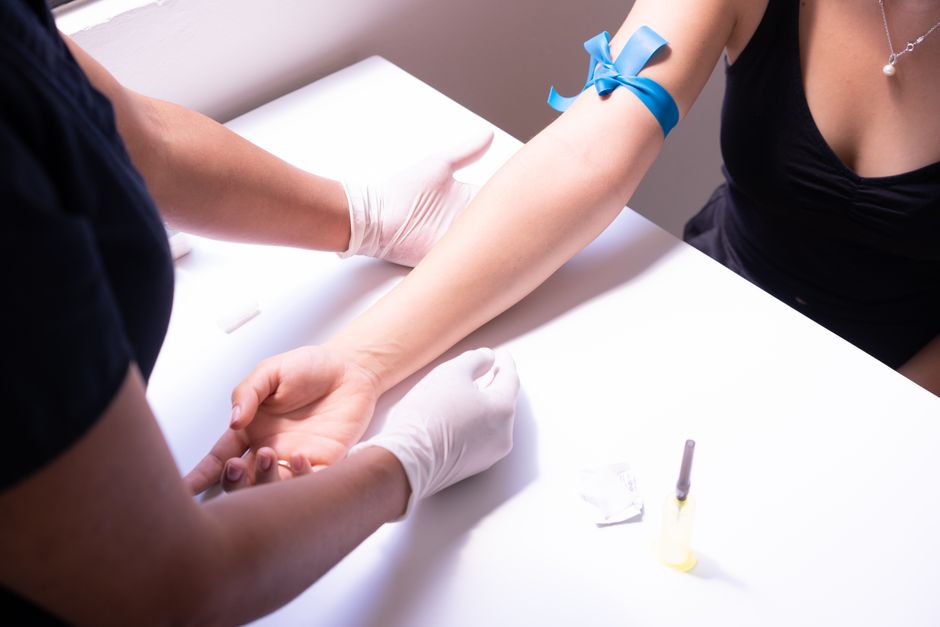
Getting blood drawn is one of the most common medical procedures in the world. The tools used are simple in design but precise in function. The primary tool is a needle, but the system also includes collection tubes, a holder, and often a tourniquet. Together, these components form a closed system that safely collects blood directly into labeled vials for testing.
What Do They Use To Draw Blood Needles Tubes More?
The standard method for drawing blood is called venipuncture. This uses a needle attached to a plastic holder. The needle is inserted into a vein, usually in the arm at the inner elbow. The other end of the needle is covered by a rubber sleeve. When you push a collection tube into the holder, the needle punctures the rubber sleeve and the tube’s rubber stopper. The vacuum inside the tube then pulls blood through the needle and into the tube.
This system is called a closed system. It prevents blood from leaking and reduces the risk of contamination. It also allows the phlebotomist to fill multiple tubes with a single needle stick. The needle stays in the vein while different tubes are swapped in and out of the holder.
Why Are There Different Colored Tubes?
Collection tubes have colored stoppers. The color is not decorative. It tells the lab what additive is inside the tube. Additives preserve the blood or prepare it for specific tests.
A lavender or purple top tube contains EDTA. This additive prevents blood from clotting. It is used for complete blood counts, or CBC. A blue top tube contains sodium citrate. This also prevents clotting, but in a different way. It binds calcium and is used for clotting tests like PT and PTT. A red top tube has no additive. Blood in this tube is allowed to clot naturally. It is used for many chemistry tests like cholesterol or glucose.
A green top tube contains heparin. Heparin is an anticoagulant that is used for plasma tests. A gray top tube contains a preservative and is used for glucose testing. The order in which tubes are filled matters. It prevents cross-contamination of additives between tubes. This is called the order of draw.
What Gauge Needle Is Used For Blood Draws?
Needle size is measured by gauge. The gauge number refers to the diameter of the needle. The lower the gauge number, the wider the needle.
For routine blood draws, a 21-gauge or 22-gauge needle is standard. A 21-gauge needle is slightly wider and allows blood to flow faster. A 22-gauge needle is thinner and is often used for smaller veins. Butterfly needles, also called winged infusion sets, come in even smaller sizes like 23 or 25 gauge.
Butterfly needles are short and have flexible wings on the sides. They are connected to thin tubing. This design allows for more precision. They are commonly used for children, older adults, or people with small or fragile veins. The smaller gauge causes less trauma to the vein but may take slightly longer to fill tubes.

What Is The Tourniquet For?
A tourniquet is a stretchy band tied around the upper arm. It is not a tool for collecting blood. It is a tool for finding blood.
The tourniquet applies pressure that restricts venous blood flow out of the arm. Arteries are deeper and less affected by the pressure. Blood continues to flow into the arm through arteries but cannot leave easily through veins. This causes the veins to swell and become more visible and easier to feel. The phlebotomist will ask you to make a fist. This further increases vein prominence.
The tourniquet should not stay on for more than one minute. Leaving it on longer can change the concentration of certain blood components. It can cause hemoconcentration, where water moves out of the blood vessels. This can falsely elevate test results like hemoglobin and cholesterol. It can also cause discomfort and increase the risk of bruising.
What Other Tools Are Part Of The Process?
Several other items are used to ensure safety and accuracy. Alcohol swabs or chlorhexidine wipes clean the skin before the needle is inserted. This reduces the risk of introducing bacteria from the skin surface into the bloodstream.
Gauze and medical tape are used after the needle is removed. Pressure is applied to the site to stop bleeding and prevent a hematoma, which is a bruise caused by blood collecting under the skin. A bandage is placed over the site before you leave.
Blood collection tubes are labeled with your name, date of birth, and a unique identifier. Many facilities now use barcode labels. The phlebotomist scans the label to ensure it matches your wristband. This is a critical safety step to prevent specimen misidentification.
Sharps containers are used to dispose of used needles immediately. These are rigid, puncture-resistant plastic containers. Needles are never recapped after use. This is a standard safety practice to prevent accidental needle sticks.
Are There Alternatives To Standard Needles?
Yes. The most common alternative is the fingerstick, also called a capillary draw. This uses a small lancet to prick the fingertip or heel. Only a few drops of blood are collected into tiny tubes or onto a test strip. This method is used for glucose monitoring in diabetes, newborn screening, and some rapid tests.
Another alternative is an intravenous catheter, or IV. This is a thin plastic tube inserted into a vein. It has a needle inside to guide placement, but the needle is removed once the tube is in place. IVs are used when blood needs to be drawn repeatedly or when fluids or medications are given. Blood can be drawn through an IV line, but this carries a higher risk of hemolysis, which is the breaking down of red blood cells. Hemolyzed samples can produce inaccurate test results.
For people with difficult veins, ultrasound guidance may be used. A small ultrasound device helps the phlebotomist locate a vein that is not visible or palpable on the surface. This is not a routine tool. It is used when standard methods have failed.
Why Does The Needle Stick Hurt?
The pain from a blood draw comes from the needle passing through the skin. The skin contains many nerve endings called nociceptors. These are pain receptors that send signals to the brain when tissue is damaged.
Once the needle is inside the vein, most people feel little to no pain. The discomfort is brief. The entire procedure from needle insertion to removal usually takes less than a few minutes. Some people feel a burning or stinging sensation when the needle enters. This is normal and passes quickly.
Anxiety can make the experience worse. Studies show that fear of needles affects a significant portion of the population. Distraction techniques, deep breathing, and looking away can help reduce perceived pain. Telling the phlebotomist that you are nervous is always appropriate. They can adjust their approach accordingly.
What Causes Bruising After A Blood Draw?
A bruise after a blood draw is called a hematoma. It happens when blood leaks from the vein into the surrounding tissue. This is usually caused by the needle passing completely through the vein or by insufficient pressure applied after the needle is removed.
Applying firm pressure with gauze for at least two to three minutes after the draw significantly reduces bruising. Keeping your arm straight and not bending it while applying pressure is also important. Bending the arm can cause blood to leak around the puncture site.
People taking blood thinners like warfarin or aspirin may bruise more easily. This is expected and not a cause for concern unless the bruise is large, painful, or continues to expand. Some bruising is common and resolves within a few days.
Can Blood Tests Be Done Without Any Needles?
Some emerging technologies are exploring needle-free blood testing. These are not yet standard in clinical practice.
One approach uses microneedle patches. These are tiny, painless needles that collect interstitial fluid, the fluid that surrounds cells. This fluid contains some of the same biomarkers as blood. Research is ongoing to determine which tests can be accurately performed on this fluid.
Another approach uses biosensors worn on the skin. These devices can continuously monitor certain substances like glucose. Continuous glucose monitors are already widely used by people with diabetes. These devices use a small sensor inserted just under the skin, not into a vein. They do not draw blood. They measure glucose in interstitial fluid.
These technologies are promising, but they do not yet replace traditional blood draws for most laboratory tests. Standard venipuncture remains the most reliable and accurate method for obtaining a full blood sample for diagnostic testing.
Frequently Asked Questions
What size needle is used for a standard blood draw?
A 21-gauge or 22-gauge needle is standard for routine blood draws. The choice depends on the size of the vein and the number of tubes being collected.
Why does the phlebotomist use a tourniquet?
The tourniquet makes veins more visible and easier to access by restricting blood flow out of the arm. It is removed as soon as blood begins flowing into the tube.
What is the difference between a butterfly needle and a regular needle?
A butterfly needle is shorter and thinner than a standard needle, with flexible wings and a small tube attached. It is used for small or fragile veins and offers more precision.
Is a blood draw more painful with a larger needle?
A larger needle can cause slightly more discomfort at insertion, but the difference is minimal. The pain is brief and mostly related to the skin puncture, not the needle width.
