
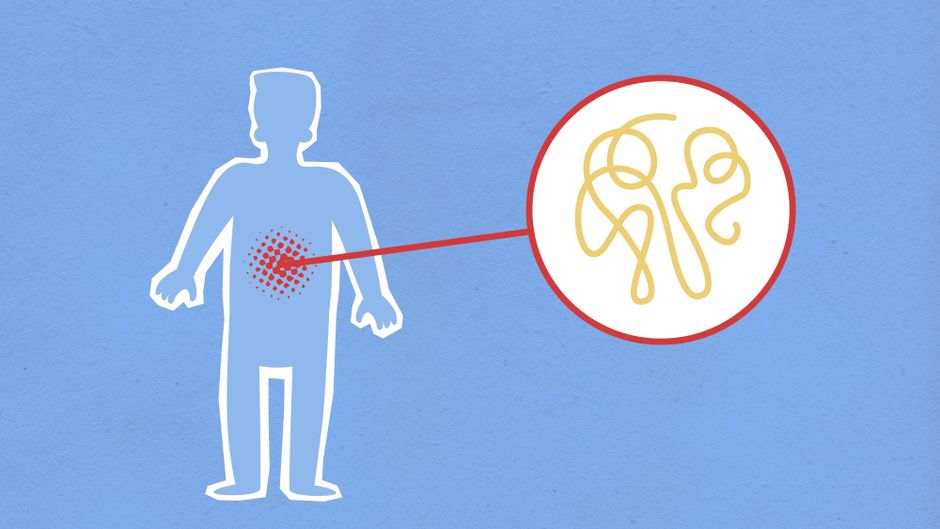
The small intestine is lined with millions of tiny, finger-like projections called villi. Their main job is to absorb nutrients from the food you eat. Each villus increases the surface area of your intestine, allowing your body to pull in more vitamins, minerals, and other nutrients before the rest moves on.
What Do The Villi Do In The Small Intestine?
Villi are the primary absorption units of your digestive system. They take digested food—now broken down into individual molecules—and move it from the intestine into your bloodstream. Without them, your body would struggle to get enough nutrition from even a healthy diet.
Think of the lining of your small intestine like a shag carpet. If you laid it flat, it would be smooth. But with villi, the surface area expands dramatically. This design means more contact between food and your intestinal wall, which translates to more efficient nutrient uptake.
How Do Villi Absorb Nutrients?
Each villus contains a network of tiny blood vessels called capillaries. As digested food passes by, nutrients like glucose, amino acids, and minerals cross through the thin wall of the villus and enter these capillaries. From there, they travel to the liver and then to the rest of your body.
Fats follow a slightly different path. Instead of going straight into the blood, they enter a structure inside the villus called a lacteal. The lacteal is part of your lymphatic system. It collects fats and fat-soluble vitamins, eventually delivering them to your bloodstream through the chest area.
This split pathway matters. It allows carbohydrates and proteins to be processed quickly by the liver while fats take a slower, indirect route. Both systems work together to keep your body fueled.
What Are Microvilli and How Do They Help?
Villi are not the end of the story. On top of each villus sit even smaller projections called microvilli. These are so small they form what looks like a fuzzy brush border on the surface of the cells.
Microvilli add another layer of surface area. They also produce digestive enzymes that sit right on the intestinal wall. These enzymes do the final step of digestion, breaking down small pieces of food into particles small enough to be absorbed. The combination of villi and microvilli gives your small intestine a total surface area roughly the size of a tennis court.


What Happens When Villi Are Damaged?
When villi are damaged, absorption drops. This can lead to nutrient deficiencies, weight loss, and digestive discomfort. The most well-known cause of villous damage is celiac disease, an autoimmune condition triggered by gluten.
In celiac disease, the immune system attacks the villi when gluten is eaten. Over time, the villi flatten out and can no longer absorb nutrients properly. This is why people with untreated celiac disease often develop anemia, osteoporosis, or unexplained fatigue—their bodies are not getting what they need from food.
Other conditions can also affect villi. Intestinal infections, certain medications, and radiation therapy can temporarily damage them. In most of these cases, the villi can heal once the underlying cause is removed.
Can Villi Repair Themselves?
Yes. Your intestinal lining is one of the fastest-regenerating tissues in your body. Under normal conditions, the entire lining replaces itself every few days. New cells are born at the base of the villi and migrate upward, pushing older cells off the tip.
For people with celiac disease, this means the villi can recover fully on a strict gluten-free diet. The timeline varies. Some people see improvement within weeks, while others take months or even longer. The key is complete avoidance of gluten, including trace amounts hidden in processed foods.
For damage caused by infection or medication, recovery usually happens once the trigger is gone. Eating a balanced diet with adequate protein and calories supports the repair process, though no specific food has been proven to speed it up.
How Do Villi Change With Age?
Aging can reduce the efficiency of your small intestine. Studies suggest that villi may become slightly shorter and less dense in older adults. This is one reason why some older people have trouble maintaining their weight or absorbing certain nutrients like vitamin B12 and calcium.
However, this decline is gradual and rarely causes severe problems on its own. Most age-related absorption issues are mild. If you have concerns about nutrient absorption as you age, a blood test can check your levels of key vitamins and minerals.
Can You Improve Villi Health?
There is no proven supplement that grows or repairs villi. Marketing claims about “gut healing” products are not supported by solid clinical evidence. What you can do is avoid things that damage villi and eat a diet that supports normal intestinal turnover.
Practical steps include:
- Getting tested for celiac disease if you have chronic digestive symptoms
- Treating any underlying intestinal infections promptly
- Limiting alcohol, which can irritate the intestinal lining
- Eating enough protein, which supplies the building blocks for new cells
- Managing stress, as it can worsen digestive symptoms even if it does not directly damage villi
If you have been diagnosed with a condition that damages villi, follow your doctor’s treatment plan. For celiac disease, that means a strict gluten-free diet. For other conditions, the treatment depends on the cause.
When Should You See a Doctor?
See a doctor if you have persistent digestive symptoms like diarrhea, bloating, or abdominal pain that lasts more than a few weeks. Unexplained weight loss, fatigue, or signs of nutrient deficiency—such as anemia—are also reasons to seek evaluation.
A doctor can order tests to check for celiac disease, infections, or other conditions affecting your small intestine. In some cases, an endoscopy with a biopsy is needed to look at the villi directly. This is the most reliable way to assess villous health.
Do not start a gluten-free diet before being tested for celiac disease. Doing so can make test results inaccurate. If you suspect gluten is a problem, talk to your doctor first.
Frequently Asked Questions
What is the main function of villi?
The main function of villi is to absorb nutrients from digested food into the bloodstream. They increase the surface area of the small intestine so your body can take in more nutrients efficiently.
Can villi grow back?
Yes, villi can regenerate. The intestinal lining replaces itself every few days, and damaged villi typically recover once the cause of damage is removed, such as following a gluten-free diet in celiac disease.
What foods damage villi?
For people with celiac disease, gluten damages villi. Gluten is found in wheat, barley, and rye. For people without celiac disease, no specific food has been proven to permanently damage villi.
How long does it take for villi to heal?
Healing time varies by person and cause. With a strict gluten-free diet, some people see improvement in weeks, while others need months or longer for full recovery.
