

Sexually transmitted infections (STIs) do not have one single look. Some cause visible sores, rashes, or discharge. Many cause no symptoms at all. The only way to know for certain if you have an STI is to get tested. Here is what symptoms can look like by infection, and why testing matters even when nothing appears wrong.
What Do STIs Look Like Symptoms By Infection?
Each STI affects the body differently. Some produce sores on the genitals or mouth. Others cause unusual discharge, burning during urination, or skin changes. A few produce flu-like symptoms such as fever and swollen lymph nodes. The key point is that many infected people show nothing at all.
Visible symptoms depend on the specific infection. Chlamydia and gonorrhea often cause discharge and burning. Herpes causes painful blisters. Syphilis starts with a painless sore. HPV can cause warts. HIV may cause a brief flu-like illness. None of these are guaranteed to appear.
Chlamydia and Gonorrhea: Discharge and Burning
Chlamydia and gonorrhea are bacterial infections that often produce similar symptoms. In people with a vagina, symptoms may include increased vaginal discharge, pain during sex, and bleeding between periods. In people with a penis, symptoms include a white, cloudy, or yellowish discharge from the penis and a burning sensation when urinating.
Rectal infections can cause discharge, itching, soreness, and bleeding from the rectum. Throat infections from oral sex may cause a sore throat, though many people have no throat symptoms at all.
The critical problem with both infections is silence. The Centers for Disease Control and Prevention estimates that most people with chlamydia do not know they have it. Untreated infections can lead to pelvic inflammatory disease in women, which can damage the fallopian tubes and affect fertility.
Genital Herpes: Blisters and Ulcers
Genital herpes is caused by the herpes simplex virus. The first outbreak typically appears as small, painful blisters on the genitals, buttocks, or thighs. These blisters break open and form shallow ulcers that crust over and heal within two to four weeks.
The first outbreak is usually the most severe. Later outbreaks tend to be milder and shorter. Some people have only one outbreak in their lifetime. Others have frequent recurrences.
Here is the part that surprises many people: most people with genital herpes have no symptoms or symptoms so mild they go unnoticed. The virus can still be transmitted even when no sores are visible. This is called asymptomatic shedding.




Syphilis: The Painless Sore That Gets Ignored
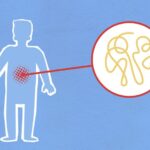
Syphilis develops in stages. The first stage produces a single sore called a chancre. It appears at the site where the bacteria entered the body, usually the genitals, anus, or mouth. The sore is firm, round, and painless. Because it does not hurt, people often ignore it.
The chancre heals on its own in three to six weeks, even without treatment. This does not mean the infection is gone. Without treatment, syphilis moves to the secondary stage.
Secondary syphilis causes a rash that often appears on the palms of the hands and soles of the feet. The rash can also cover other parts of the body. It may look like rough, red, or reddish-brown spots. Other symptoms include fever, swollen lymph nodes, sore throat, patchy hair loss, and fatigue.
If syphilis goes untreated for years, it can damage the brain, nerves, eyes, and heart. This is the late stage of the disease. The damage can be permanent.
Human Papillomavirus (HPV): Warts and No Symptoms
HPV is the most common STI in the United States. Most sexually active people will get HPV at some point. The vast majority of infections cause no symptoms and clear on their own within two years.
Some types of HPV cause genital warts. These warts can appear as small bumps, groups of bumps, or flat or cauliflower-shaped growths on the genitals, anus, or surrounding skin. They may be raised or flat, single or multiple, and can range in size from tiny to large.
Other types of HPV are high-risk types that are linked to cancer. These types typically cause no visible symptoms. They can cause abnormal cell changes in the cervix, which is why routine cervical cancer screening is essential. High-risk HPV can also cause cancers of the anus, penis, throat, and vagina.
HIV: Flu-Like Illness Then Silence
HIV symptoms depend on the stage of infection. Within two to four weeks after exposure, some people develop an acute HIV infection. This feels like a bad flu. Symptoms include fever, sore throat, swollen lymph nodes, rash, muscle aches, and fatigue.
This flu-like illness lasts about one to two weeks. Then symptoms disappear. The person can feel completely healthy for years while the virus continues to replicate in the body. The only way to detect HIV during this silent phase is through testing.
Without treatment, HIV eventually progresses to AIDS. Symptoms of advanced HIV include persistent fever, chronic diarrhea, severe weight loss, and frequent infections. Modern HIV treatment can prevent progression to AIDS and allow people with HIV to live long, healthy lives.
Trichomoniasis: Itching and Frothy Discharge
Trichomoniasis is a parasitic infection. In people with a vagina, symptoms include a frothy, yellow-green vaginal discharge with a strong odor, itching and irritation around the vagina, and pain during sex or urination. In people with a penis, symptoms are less common but can include itching inside the penis, burning after urination, and a thin discharge.
Many people with trichomoniasis have no symptoms. The infection can persist for months or years without being noticed. Untreated trichomoniasis increases the risk of acquiring other STIs.
When Symptoms Appear: Timing Matters
Symptoms do not appear at the same time for every infection. Incubation periods vary significantly.
- Gonorrhea: symptoms usually appear within two to fourteen days after exposure
- Chlamydia: symptoms may appear within one to three weeks
- Genital herpes: first outbreak typically occurs within two to twelve days
- Syphilis: the chancre appears about three weeks after exposure, but the range is ten to ninety days
- HIV: acute symptoms appear two to four weeks after exposure
- HPV: warts can appear weeks to months after exposure, or never
These are typical ranges, not guarantees. Some people develop symptoms faster. Some develop them much later. Some never develop symptoms at all.
What Visible Symptoms Do Not Tell You
You cannot diagnose an STI by looking at it. Many conditions cause similar symptoms. A sore could be herpes or syphilis. Discharge could be chlamydia, gonorrhea, or trichomoniasis. A rash could be syphilis or an allergic reaction.
Some people mistake STI symptoms for other conditions. A herpes blister can look like an ingrown hair or a pimple. A syphilis chancre can look like a minor cut or irritation. This is why self-diagnosis is unreliable.
Testing is the only accurate method. STI tests are widely available at clinics, doctors’ offices, and public health departments. Many tests are simple urine samples or swabs. Blood tests can detect syphilis, HIV, and herpes.
How Often Should You Get Tested?
Testing recommendations depend on your sexual activity. Annual chlamydia and gonorrhea screening is recommended for all sexually active women under 25 and for older women with risk factors. Men who have sex with men should be tested at least annually for chlamydia, gonorrhea, and syphilis.
People with multiple partners or new partners should be tested more frequently. Anyone who has had unprotected sex with a new partner should consider testing. Testing between partners is the responsible choice.
If you have symptoms that concern you, do not wait for a routine screening appointment. See a healthcare provider promptly. Early treatment prevents complications and reduces transmission to others.
Frequently Asked Questions
Can you have an STI with no symptoms at all?
Yes, many STIs cause no symptoms, especially in the early stages. Chlamydia, gonorrhea, HPV, and HIV can all be silent while still being transmissible to others.
How soon after exposure will STI symptoms appear?
It depends on the infection, ranging from a few days for gonorrhea to weeks or months for syphilis and HPV. Some infections never produce symptoms, so testing after exposure is the only reliable way to know your status.
What does an STI rash look like?
STI rashes vary by infection, but syphilis often causes a rash on the palms and soles that looks like rough red or reddish-brown spots. HIV can cause a general rash during the acute phase, and herpes causes localized blisters that break into sores.
Should I get tested even if my partner has no symptoms?
Yes. Many STIs are asymptomatic, meaning your partner could have an infection without knowing it. Testing is the only reliable way to confirm that neither of you has an STI.
