
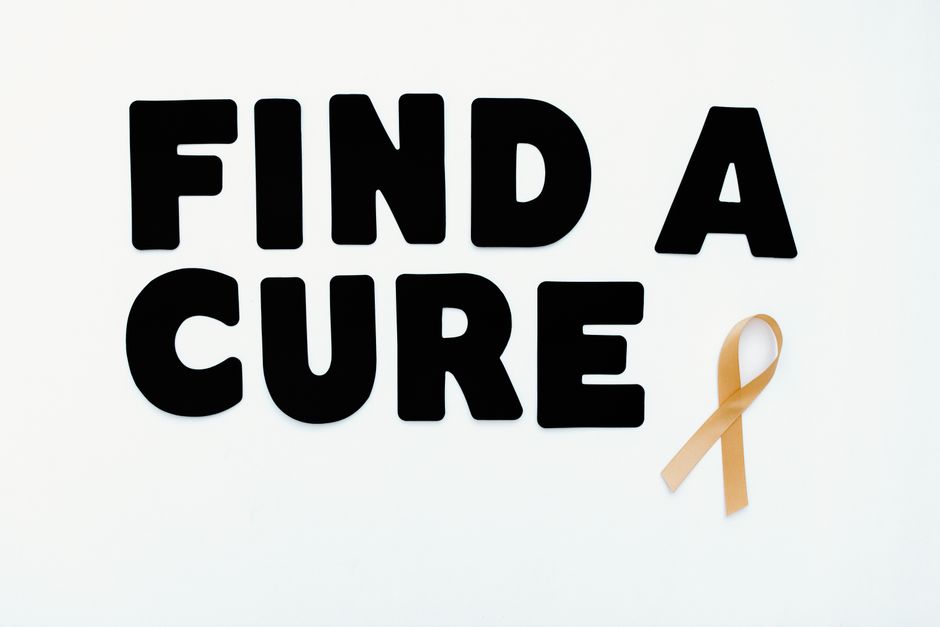
Orange ribbons carry different meanings depending on who is wearing them. The color is used to raise awareness for several unrelated causes, so a single orange ribbon does not point to one issue on its own. The most recognized uses include leukemia and other blood cancers, kidney cancer, multiple sclerosis, animal cruelty prevention, and cultural awareness for Indigenous communities.
Because the color is shared across so many groups, the meaning usually comes from context. A ribbon on a hospital fundraiser, a school event, or a sports team often signals a specific campaign rather than a universal message. Knowing the setting tells you far more than the color alone.
What Do Orange Ribbons Represent?
Orange ribbons represent awareness and support for a range of health and social causes, with no single meaning that applies everywhere. The most established use in health is leukemia and other blood cancers. Orange is also used for kidney cancer, multiple sclerosis, and several non-medical causes.
This overlap is not a mistake. Awareness ribbon colors were never assigned by one central authority. Different organizations adopted orange at different times for different reasons. That is why two people can wear the same color for completely unrelated reasons.
When you see an orange ribbon, the reliable move is to look for the name attached to it. A campaign logo, a wristband, a sign, or a specific event will almost always tell you the cause. The color by itself is a starting point, not a full answer.
Why Is Orange Used for Leukemia Awareness?
Orange became tied to leukemia awareness through patient advocacy and nonprofit campaigns that adopted the color to build recognition. Leukemia is a cancer of blood-forming tissues, most often the bone marrow, and it affects the body’s ability to make normal blood cells.
The disease interferes with white blood cells in particular. In many types of leukemia, the bone marrow produces large numbers of abnormal white blood cells that do not work properly and crowd out healthy cells. This can lead to infections, anemia, and easy bleeding or bruising.
Leukemia is not one disease. It has several major types grouped by how fast they progress and by the type of blood cell involved. Some forms are more common in children, while others are more common in adults. Because of this range, awareness campaigns focus on early recognition and research funding rather than a single message.
Orange is also used for other blood cancers in some campaigns. That overlap within the same broad category is one reason the color can feel ambiguous even among cancer-related causes.
Is Orange Also Used for Kidney Cancer?
Yes. Orange is widely used for kidney cancer awareness. Kidney cancer begins in the kidneys, the organs that filter waste and extra fluid from the blood to make urine.
One reason awareness matters here is that kidney cancer often produces no clear symptoms in its early stages. When symptoms do appear, they can include blood in the urine, a lump or mass in the abdomen, side or back pain that does not go away, unexplained weight loss, and ongoing fatigue. These signs can also come from many other conditions, so they do not confirm cancer on their own.
This is a case where the ribbon carries a practical message. Because early kidney cancer is often silent, awareness campaigns tend to encourage people with persistent symptoms to get evaluated rather than wait.





What Does an Orange Ribbon Mean for Multiple Sclerosis?
Orange is one of the colors used in multiple sclerosis awareness. Multiple sclerosis, often called MS, is a disease in which the immune system attacks the protective covering around nerve fibers in the brain and spinal cord.
That covering is called myelin. When it is damaged, nerve signals slow down or get disrupted. This can cause a wide range of symptoms, including numbness or tingling, vision problems, muscle weakness, balance issues, and fatigue. Symptoms vary a great deal from person to person and can come and go over time.
MS awareness uses more than one color across different organizations, and orange is among them. As with the other causes, the specific campaign or organization usually makes the meaning clear.
What Other Causes Use Orange Ribbons?
Orange reaches well beyond health causes. The color is used for animal cruelty prevention, and it is also used for cultural awareness and recognition of Indigenous communities. In some campaigns, orange stands for road safety, hunger awareness, or self-injury awareness.
This is where the ribbon system gets genuinely confusing. The same color can mean something medical in one setting and something cultural or social in another. Neither use cancels out the other.
If you are trying to identify what a specific orange ribbon stands for, these clues usually resolve it:
- The name of the organization or campaign printed on the item
- The event where the ribbon is being worn or displayed
- Any accompanying text, slogan, or logo
- The time of year, since some causes hold awareness events in specific months
Without at least one of these, the color alone cannot tell you the cause.
How Did Awareness Ribbons Become a Symbol?
Awareness ribbons grew into a widely used symbol in the late twentieth century, when advocacy groups began adopting colored ribbons to create a simple, visible sign of support. The idea spread because a ribbon is cheap, easy to wear, and instantly recognizable once a color becomes linked to a cause.
The system has a real weakness. There are far more causes than there are easily distinguishable colors, so overlap was inevitable. Some colors, including orange, ended up shared by many groups. That is not a flaw in any one campaign. It is a natural result of many organizations choosing from a limited palette.
One useful clarification: a ribbon is a symbol, not a medical statement. Wearing one does not indicate that a person has a condition, and seeing one does not tell you anything about someone’s health. It signals support or awareness, nothing more.
Does Wearing an Orange Ribbon Have a Health Purpose?
No. An orange ribbon has no medical or preventive function. It does not screen for disease, reduce risk, or treat anything. Its role is symbolic and social.
What awareness campaigns can do is encourage people to learn about symptoms and seek care when something seems wrong. That is a real benefit, but it comes from the information attached to the campaign, not from the ribbon itself.
It is worth being clear about this boundary. A ribbon can prompt a conversation or a doctor’s visit. It cannot substitute for screening, diagnosis, or treatment, and no evidence suggests otherwise.
How Can You Tell Which Orange Ribbon You Are Seeing?
The fastest way to identify an orange ribbon is to read whatever is printed near it. Campaigns almost always attach a name, a slogan, or a logo, because the color alone is not specific enough to communicate a cause.
If nothing is printed, consider the setting. A hospital fundraiser points toward a health cause. A community cultural event may point toward Indigenous recognition. A school assembly could be either. When context is missing, the honest answer is that the ribbon’s meaning cannot be determined from the color.
If you want to know for certain, ask the person wearing it or check the event materials. That is more reliable than guessing from a color that several unrelated causes share.
Frequently Asked Questions
What does an orange ribbon symbolize?
An orange ribbon symbolizes awareness and support for several causes, most commonly leukemia and other blood cancers, kidney cancer, multiple sclerosis, animal cruelty prevention, and Indigenous cultural awareness. The specific meaning depends on the campaign or event where it appears.
What cancer is represented by an orange ribbon?
Orange is most associated with leukemia and other blood cancers, and it is also used for kidney cancer awareness. Because more than one cancer cause uses the color, the campaign name or event usually identifies which one is meant.
Is an orange ribbon for leukemia or kidney cancer?
It can stand for either, since both causes use orange. There is no rule that separates them by shade or style, so the printed campaign name or the event itself is what tells you which cause is being represented.
Does wearing an orange ribbon mean someone has cancer?
No. An awareness ribbon signals support for a cause, not a personal diagnosis. Wearing one does not indicate that the person has any medical condition.
