
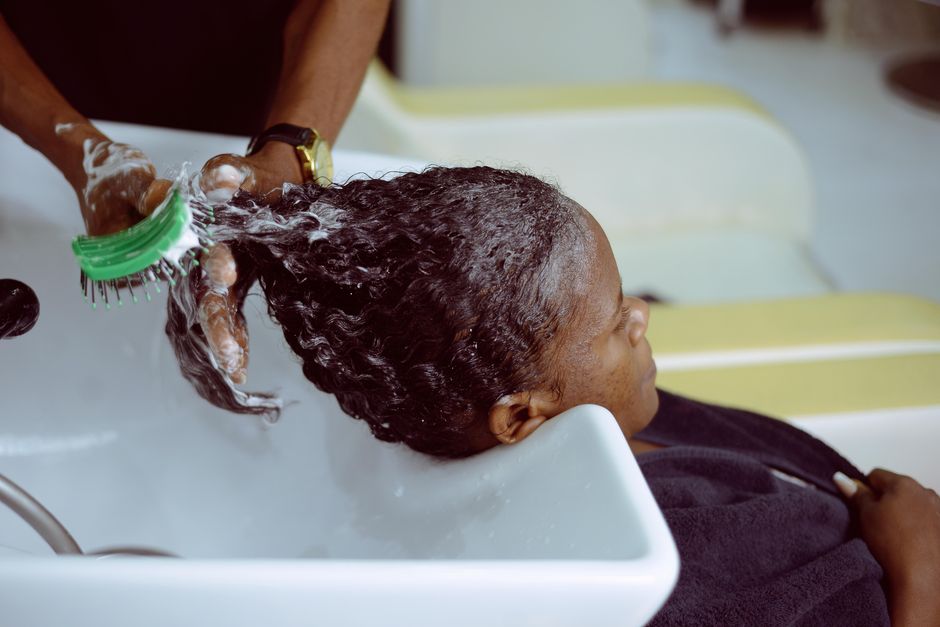
Head lice are a common source of stress for families, and a lot of what people believe about them is simply not true. The short answer is that head lice do not prefer clean hair, they do not feed on blood from the scalp in a way that causes pain, and they are not attracted to dirt. They are equal-opportunity pests that only care about one thing: getting to a human scalp to feed and lay eggs.
What Do Lice Like Clean Hair Blood And More?
Head lice like human blood, warmth, and a place to hide. They do not care if your hair is clean or dirty. Lice attach their eggs, called nits, to the hair shaft close to the scalp. They need that warmth to incubate, and they need blood from the scalp to survive.
Clean hair is not a magnet for lice, and dirty hair does not repel them. Lice are simply looking for a scalp to feed on. The idea that lice prefer clean hair is a myth. Some research has even suggested that lice may grip clean hair more easily, but this does not mean clean hair attracts them. The real driver of lice transmission is head-to-head contact.
Do Lice Actually Feed on Blood?
Yes, head lice are blood-feeding insects. They use their mouthparts to pierce the scalp and take small meals of blood several times a day. This feeding is what causes the itching, but the bite itself is not usually felt. The itching comes from a reaction to the lice’s saliva, which is injected into the skin before they feed.
For most people, the first sign of lice is not a bite sensation but an itch that develops over time. This reaction can take weeks to appear after the first infestation. Some people never itch at all, especially with a first infestation. Lice cannot survive away from a human host for long. They need blood and warmth, and they typically die within 24 to 48 hours off the scalp.
Why Do People Believe Lice Prefer Clean Hair?
This myth has been around for decades. It likely comes from the observation that lice can be easier to spot in clean hair because there is less oil and product to hide them. Also, lice may cling to clean hair strands more easily since there is no buildup of oils or styling products to make the hair slippery.
Studies have not confirmed that lice prefer clean hair. In fact, lice infest people of all hair types and cleanliness levels. The notion that dirty hair is protective is also false. Lice do not discriminate based on hygiene, age, or socioeconomic status. The only real factor is exposure to someone who already has lice.




How Do Lice Spread From Person to Person?
Lice spread primarily through direct head-to-head contact. This is why they are most common among children in schools and daycare settings. Kids naturally put their heads together during play, naps, and group activities. Lice cannot jump or fly. They crawl from one hair strand to another when heads are close together.
Transmission through shared items like hats, brushes, or pillows is possible but far less common. Lice can survive briefly on these items, but they are not the main route of spread. The Centers for Disease Control and Prevention considers head-to-head contact the primary way lice are transmitted. Sharing personal items is a secondary risk but should still be avoided during an active infestation.
What Do Lice Look For in a Host?
Lice are highly specialized insects. They have claws shaped to grip human hair shafts, which are round and a specific thickness. This is why head lice do not infest pets. They are species-specific and cannot survive on animals.
Lice are attracted to warmth and the scent of a human scalp. They are not drawn to blood from a distance. Instead, they respond to heat and carbon dioxide, which we exhale. When a louse senses these signals, it moves toward the source. This is why close contact is required for spread. A louse cannot detect a person across a room.
Once on the scalp, lice feed immediately and begin the cycle of laying eggs. A female louse can lay several eggs per day. These eggs are glued firmly to the hair shaft near the scalp. The warmth of the scalp keeps them at the ideal temperature for hatching, which typically takes about 7 to 9 days.
How to Check for Lice and Nits Correctly
The most reliable way to check for lice is with a fine-toothed nit comb. Wet the hair, apply conditioner, and section the hair into small parts. Comb from the scalp outward, and wipe the comb on a paper towel to inspect for lice and nits.
Live lice are small, about the size of a sesame seed, and move quickly. They are tan to grayish-white in color. Nits are tiny, oval-shaped eggs that are firmly attached to the hair shaft. They can look like dandruff, but the key difference is that nits do not flake off easily when you slide them between your fingers. Dandruff comes off, nits stay glued.
Nits found more than a quarter of an inch from the scalp are likely dead or empty, because the hair has grown since they were laid. Only nits close to the scalp indicate an active infestation. Checking a dry scalp under bright light is possible, but the wet combing method is more accurate and is the method many clinicians recommend.
What Treatments Actually Work for Lice?
Over-the-counter treatments containing permethrin or pyrethrin are the first line of defense. These are approved by the FDA and are considered safe and effective when used as directed. However, resistance to these products has been reported in some regions, meaning they may not always work.
If an over-the-counter treatment fails, a healthcare provider may recommend a prescription treatment. Options include benzyl alcohol lotion, spinosad, or ivermectin. These are applied to the scalp and hair and work by different mechanisms than the over-the-counter products. A doctor can help determine which option is best based on local resistance patterns and the age of the child.
Wet combing alone is another approach. This involves combing the hair every few days for two to three weeks to remove live lice and nits. It does not involve chemicals, but it requires patience and consistency. Some studies show this method can be effective, but it demands more effort than using a medicated treatment.
No treatment, whether over-the-counter or prescription, kills all nits in a single application. Retreatment is often necessary, and combing to remove remaining nits is an important part of the process.
Are Home Remedies for Lice Safe and Effective?
Many home remedies are popular online, but most lack solid evidence. Mayonnaise, olive oil, petroleum jelly, and other occlusive substances are sometimes used to suffocate lice. The idea is that the thick substance blocks the lice’s breathing pores. Some small studies suggest these may work, but the evidence is limited, and they require hours of application and repeated treatments.
Essential oils like tea tree oil and lavender are also commonly mentioned. Some research indicates they may have repellent or insecticidal properties, but no large human trials have confirmed their effectiveness for treating an active infestation. Essential oils are not regulated as treatments, and they can cause skin irritation, especially in children. Do not use them as a substitute for a proven treatment.
Never use kerosene, gasoline, or any flammable substance on the scalp. This is extremely dangerous and has caused serious burns and injuries. There is no evidence that these substances work, and they carry a high risk of harm.
How to Prevent Lice From Spreading at Home
If someone in your home has lice, the most important step is to treat the affected person and check everyone else. You do not need to fumigate your house. Lice cannot survive long away from a scalp, so aggressive cleaning is not necessary.
Wash bedding, hats, and clothing that came into contact with the affected person in hot water and dry them on high heat. Items that cannot be washed can be sealed in a plastic bag for two weeks. Vacuum floors and furniture where the affected person sat, but do not spend money on chemical sprays. These are unnecessary and can be harmful.
Combs and brushes should be soaked in hot water, at least 130 degrees Fahrenheit, for 5 to 10 minutes. Do not share personal items during an active infestation. And remind children to avoid head-to-head contact during play. These steps reduce the chance of reinfestation.
Frequently Asked Questions
Can lice live in dirty hair?
Yes, lice can live in dirty hair. Lice do not care about hair cleanliness and infest scalps regardless of how often the hair is washed.
Do lice bite and draw blood?
Yes, lice feed on blood from the scalp several times a day. The bite is not usually felt, but the saliva can cause itching days or weeks later.
How long can lice live off the human head?
Lice can only survive about 24 to 48 hours off a human scalp. They need blood and warmth to live, so they do not survive long on furniture or bedding.
Can you get lice from a hat or a brush?
It is possible but uncommon. Lice spread mainly through direct head-to-head contact, and transmission through shared items happens less often.
