
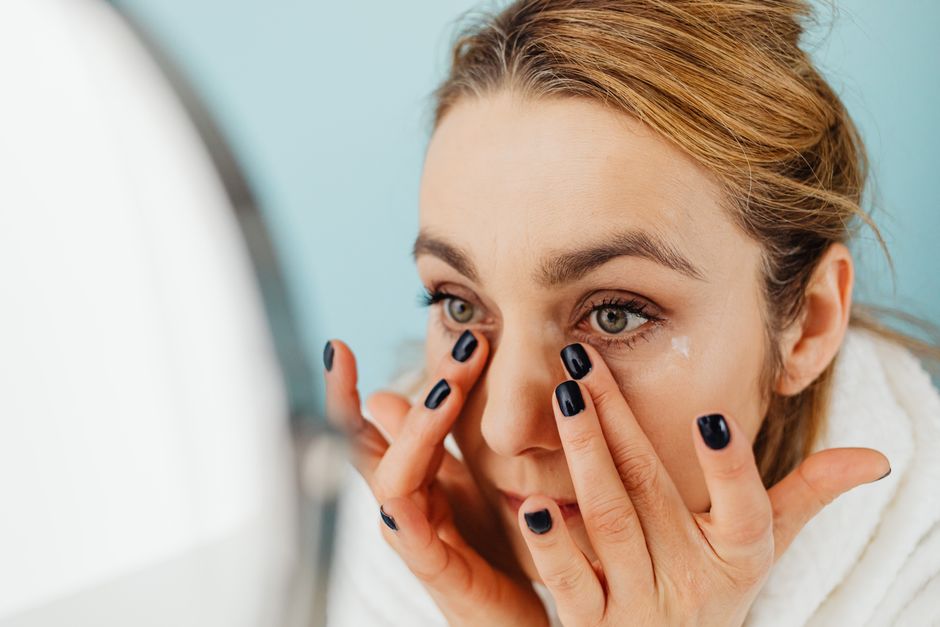
Glassy eyes look like a smooth, shiny, or unfocused appearance to the surface of the eye. The white part may look slightly red or watery, and the pupil may appear dilated or “starry.” This look happens when the normal tear film that coats the eye becomes uneven, or when the muscles that focus the eye are fatigued or affected by a substance.
What Do Glassy Eyes Look Like And What Causes Them?
Glassy eyes are exactly what they sound like. The eye takes on a polished, reflective quality instead of looking naturally moist and matte. The person may appear to be staring through you rather than at you. Their blink rate often drops, which makes the eye dry out and look even shinier.
The causes fall into three broad groups. The first is dryness. The second is fatigue or strain. The third is substances that affect the nervous system — alcohol, certain medications, or illicit drugs. All three interfere with the tear film or the muscles that keep the eye focused.
What Happens in the Eye to Create the Glassy Look?
The surface of the eye is covered by a three-layer tear film. The outermost layer is oily and keeps tears from evaporating. The middle layer is watery and keeps the eye wet. The innermost layer is mucus-like and helps the tears stick to the eye.
When any of these layers break down, the surface dries out in patches. Light hits those dry patches differently. Instead of scattering evenly, it reflects back in a flat, shiny way. That reflection is the glassy look.
Blinking is also part of the picture. A normal person blinks about 15 to 20 times per minute. When you focus on a screen, drive for hours, or read for a long stretch, that rate can drop by half or more. Less blinking means less tear distribution. The eye dries, and the glassy appearance follows.
Can Allergies and Infections Cause Glassy Eyes?
Yes. Allergic conjunctivitis — the medical term for eye allergies — often produces glassy, watery eyes. Histamine released during an allergic response makes blood vessels in the white of the eye expand. The eye reddens and waters at the same time. The combination of redness and excess tears creates a shiny, glassy look.
Viral conjunctivitis, commonly called pink eye, can do the same thing. So can dry eye disease, which affects millions of adults. In dry eye disease, the tear film is chronically unstable. The eye produces reflex tears in response to the dryness, but those tears are mostly water and lack the oily layer that keeps them in place. The result is a wet-looking but actually dry eye that has that glassy sheen.



Does Alcohol or Drug Use Cause Glassy Eyes?
Alcohol is one of the most common causes of glassy eyes in adults. Alcohol is a central nervous system depressant. It slows the signals between the brain and the muscles that control eye focus. The eyes lose their sharp, coordinated focus and take on a relaxed, unfocused appearance.
Alcohol also dehydrates the body, including the tear film. Less fluid means drier eyes, and drier eyes reflect light more intensely. The combination of slowed muscle control and reduced tears is a reliable recipe for the glassy look.
Marijuana and cannabis products cause the same appearance through a different mechanism. THC binds to receptors in the eye and can lower intraocular pressure. It also dilates blood vessels, which makes the eyes look red and glassy. Some prescription medications — including certain antihistamines, muscle relaxants, and anti-anxiety drugs — can produce similar effects as a side effect.
Can Fatigue or Illness Make Eyes Look Glassy?
Fatigue absolutely produces glassy eyes. When you are sleep-deprived, the muscles that control eye focus work harder to maintain a clear image. They tire, just like any other muscle. The eyes drift out of sharp focus, and the unfocused stare reads as glassy.
Illness can do the same. Fever, dehydration, and the general physical stress of being sick all reduce tear production and slow muscle response. This is why people often say someone “looks sick” before any other symptom appears. The eyes change first.
Low blood sugar can also cause glassy eyes. When glucose levels drop, the brain does not have enough fuel to coordinate eye muscles and visual processing. The eyes look unfocused and the person may feel dizzy or confused alongside the change in appearance.
What Are the Other Common Causes?
Several everyday situations produce glassy eyes temporarily. Contact lens wearers see this frequently. Lenses absorb moisture from the tear film, leaving the eye drier than normal by the end of the day. The dry eye reflects light differently, creating the glassy look.
Prolonged screen use is another common cause. Computer vision syndrome — a real condition, not a marketing term — encompasses eye strain, dryness, and blurred vision after extended screen time. The reduced blink rate during screen use is the driving factor.
Certain medications list glassy eyes as a side effect. Antihistamines dry out mucous membranes throughout the body, including the eyes. Decongestants do the same. Some antidepressants and blood pressure medications affect tear production as well.
In rare cases, glassy eyes can signal a more serious neurological condition. Conditions that affect the nerves controlling eye movement can produce a fixed, glassy stare. This is uncommon, but if the glassy look comes with other neurological symptoms — weakness, numbness, difficulty speaking, or changes in vision — it warrants immediate medical attention.
How Do You Fix Glassy Eyes?
The treatment depends entirely on the cause. For dry eyes, artificial tear drops are the first-line solution. Preservative-free drops are best for frequent use because preservatives can irritate the eye over time. Using a humidifier in dry indoor environments also helps maintain tear film stability.
For screen-related glassy eyes, the 20-20-20 rule is a practical intervention. Every 20 minutes, look at something 20 feet away for 20 seconds. This forces the eyes to refocus and resets the blink rate. Positioning your screen slightly below eye level also helps because you naturally blink more when your eyelids are partially lowered.
For alcohol or drug-related glassy eyes, only time and hydration will resolve the appearance. The eyes return to normal once the substance is metabolized and the body rehydrates. There is no quick fix that overrides the effects of alcohol on the nervous system.
For allergies, oral antihistamines or allergy eye drops can reduce the redness and tearing. For fatigue, sleep is the only genuine remedy. No eye drop can replace the restorative effect of adequate rest on eye muscle function.
If the glassy look persists for days without an obvious cause, see an eye care professional. Persistent dryness, redness, or changes in vision deserve a proper examination. An optometrist or ophthalmologist can measure tear production, check for underlying conditions, and recommend appropriate treatment.
When Should You Be Concerned?
Most glassy eyes are temporary and harmless. But certain patterns warrant medical attention. If the glassy look comes with eye pain, light sensitivity, or a feeling that something is in the eye, it may indicate an infection or corneal injury. If it comes with double vision, drooping eyelids, or weakness on one side of the face, it may indicate a neurological problem.
If the glassy eyes appear alongside confusion, slurred speech, or difficulty walking, it could be a sign of intoxication, low blood sugar, or a more serious event like a stroke. In these cases, do not wait. Seek emergency care.
For children, glassy eyes combined with fever, irritability, or lethargy should be evaluated by a pediatrician. Children dehydrate faster than adults, and eye changes can be an early sign of significant fluid loss.
Frequently Asked Questions
Can dehydration cause glassy eyes?
Yes, dehydration reduces tear production, which makes the eye surface dry and reflective. Drinking water and using lubricating eye drops can help restore the normal appearance.
Are glassy eyes a sign of drug use?
They can be, but they are not proof of it. Alcohol, cannabis, and some prescription medications can cause glassy eyes, but so can fatigue, allergies, and prolonged screen use. The glassy look alone does not confirm substance use.
How long do glassy eyes last?
It depends on the cause. Screen-related glassy eyes usually resolve within minutes of resting the eyes. Alcohol-related glassy eyes last until the alcohol is metabolized. Persistent glassy eyes lasting more than a few days should be evaluated by an eye care professional.
Can contact lenses cause glassy eyes?
Yes, contact lenses absorb moisture from the tear film, which can dry the eye surface and create a glassy appearance. Switching to daily disposable lenses or using rewetting drops can help.
