
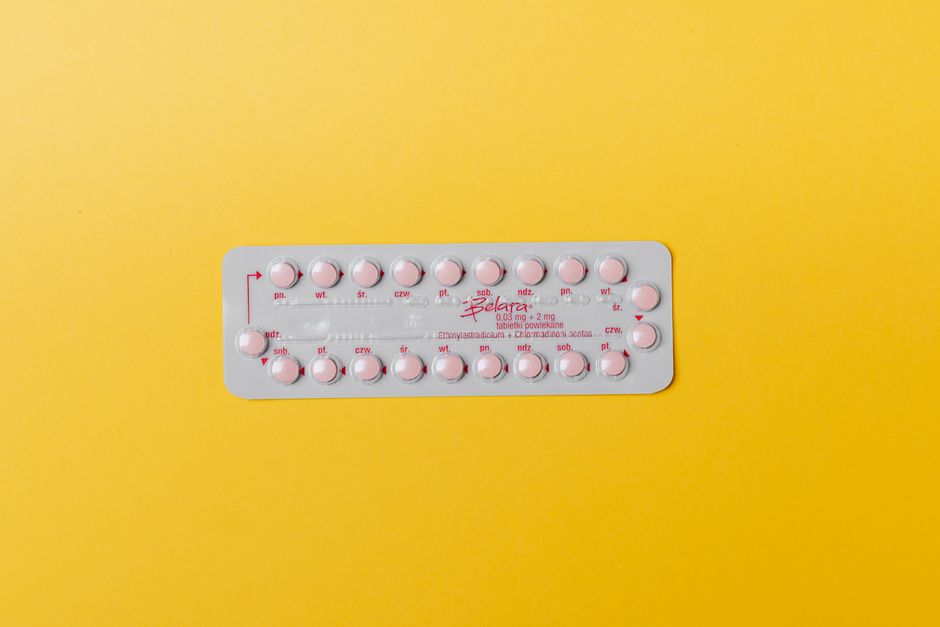
Elevated progesterone levels during IVF can change the timing of your embryo transfer and, in some cases, affect the chance of pregnancy. In a natural cycle, progesterone rises after ovulation to prepare the uterine lining. In IVF, the timing of that rise matters greatly. If progesterone rises too early before the embryo is ready, the lining may move out of sync with the embryo, which can reduce the odds of implantation. Your clinic monitors this closely and may cancel or delay a fresh transfer if levels rise too soon.
What Is a Normal Progesterone Level During IVF?
Progesterone levels are measured in nanograms per milliliter (ng/mL). During a stimulated IVF cycle, doctors typically check progesterone on the day of the trigger shot or the day before egg retrieval. The exact number that matters depends on the clinic and the protocol.
Most clinics consider a progesterone level below 1.5 ng/mL on the day of trigger to be acceptable for a fresh embryo transfer. Some use a cutoff of 1.0 or 1.2 ng/mL. Levels above that threshold are often labeled “premature progesterone rise.” This is not a universal standard, so the specific cutoff can vary from one clinic to another.
What matters is not just the number itself but what it does to the uterine lining. A small rise may have little effect. A larger rise can push the lining ahead of schedule, making it less receptive when the embryo arrives.
Why Do Progesterone Levels Rise Early in IVF?
During ovarian stimulation, multiple follicles grow at once. These follicles produce estrogen, and some also begin to produce progesterone before ovulation. This happens because the high hormone levels from stimulation can cause some cells to luteinize early. Luteinization means the follicle starts acting like it has already ovulated.
The trigger shot is designed to start the final maturation process. But if progesterone has already risen before the trigger, the lining may already be advancing. This is why clinics check progesterone before giving the trigger. Catching the rise early gives them time to adjust the plan.
Some research suggests that the type of trigger medication and the number of follicles can influence the risk of early progesterone rise. But the exact cause in any single cycle is not always clear. It is a known complication of ovarian stimulation, not a sign that something is wrong with you.
What Do Elevated Progesterone Levels Mean for a Fresh Transfer?
Elevated progesterone on the day of trigger usually means a fresh embryo transfer is not recommended. The uterine lining has likely moved past its optimal window of receptivity. Transferring an embryo into that lining may lower the chance of implantation.
Instead, the clinic will likely recommend freezing all embryos. This is often called a “freeze-all” cycle. The embryos are frozen and stored. A later frozen embryo transfer is done in a cycle where the lining is prepared more carefully, usually with medications that keep progesterone levels controlled until the right moment.
This approach is well supported by evidence. Studies have found that when progesterone rises early, a frozen transfer results in pregnancy rates similar to what would be expected without the rise. A fresh transfer in that same cycle would likely have a lower success rate.





Can Elevated Progesterone Affect Egg Quality or Embryo Development?
No. The evidence does not show that early progesterone rise damages the eggs or the embryos themselves. The concern is entirely about the uterine lining, not the embryos.
Embryos from a cycle with elevated progesterone can be frozen and used later with good success. The number of eggs retrieved, fertilization rates, and embryo quality are generally not affected by the early progesterone rise. This is an important point because many patients worry that a cancelled fresh transfer means the cycle failed. It does not. It means the embryos are being saved for a better timing.
The freeze-all approach turns a potentially compromised fresh transfer into a well-timed frozen transfer. The embryos are not harmed by the wait.
How Is the Frozen Embryo Transfer Cycle Different?
In a frozen embryo transfer, the clinic controls the lining preparation more precisely. You may take estrogen to build the lining over one to two weeks. Then progesterone is added to mature the lining. The embryo transfer is scheduled based on exactly how many days of progesterone you have received.
This timing is highly standardized. A day-5 embryo, for example, is typically transferred after about five days of progesterone exposure. This mimics what happens in a natural cycle and gives the embryo the best chance to implant.
The key difference is control. In a fresh cycle, progesterone timing is partly determined by how your ovaries respond to stimulation. In a frozen cycle, the timing is set by the medication schedule. That control is why frozen transfers are often recommended when progesterone rises early.
What If Progesterone Levels Rise After the Transfer?
After a transfer, progesterone is usually supplemented with injections, vaginal suppositories, or oral medication. This is standard care. The goal is to keep progesterone levels high enough to support the uterine lining and early pregnancy.
Routine monitoring of progesterone after transfer is not universally recommended. Some clinics check levels and adjust medication if they are low. But there is no strong evidence that a single low progesterone reading after transfer predicts failure. The evidence for routine post-transfer progesterone monitoring is limited and mixed.
If your clinic checks your progesterone after transfer and adjusts your medication, that is a common clinical practice. But it is not supported by large, definitive trials. Some clinicians recommend it, others do not. Neither approach is clearly wrong based on current evidence.
Can You Prevent Elevated Progesterone During IVF?
Not completely. Some protocols aim to reduce the risk, but no method fully prevents it. Using a GnRH antagonist protocol, which is now standard in most cycles, lowers the risk compared to older protocols. Triggering ovulation earlier in the stimulation may also reduce the chance of a late progesterone rise.
Your doctor may adjust your trigger timing based on your follicle size and hormone levels. This is done to reduce the risk, but it cannot guarantee a normal progesterone level. If the rise happens anyway, the freeze-all approach is the standard fallback.
There is no supplement or diet proven to prevent early progesterone rise during IVF. Some online sources suggest vitamin B6 or other supplements, but no clinical evidence supports these claims. Talk to your clinic if you have concerns about prevention. They can explain the specific steps they take in your protocol.
What Do Elevated Progesterone Levels Mean for Pregnancy Success Rates?
When a fresh transfer is cancelled and a frozen transfer is done instead, the overall pregnancy rate is not reduced. Studies consistently show that freeze-all cycles after a premature progesterone rise have success rates comparable to fresh transfers in cycles without the rise.
The key is that the frozen transfer must be done in a properly prepared cycle. If the lining is not prepared correctly, the same timing problem could occur. But with standard medication protocols, the timing is well controlled.
This means an elevated progesterone level is not a reason to expect a failed cycle. It is a reason to change the plan. The embryos are still viable. The lining can be prepared correctly later. The chance of pregnancy remains good.
Does a Single High Progesterone Reading Mean the Cycle Is Over?
No. A single reading above the cutoff does not mean the cycle is wasted. It means the fresh transfer is likely off the table. But the eggs can still be retrieved, fertilized, and frozen. That is a successful outcome for that stage of treatment.
Some clinics may also consider whether the rise is borderline. A level of 1.6 ng/mL may be treated differently than a level of 3.0 ng/mL. But most clinics apply the same rule: if the level is above their threshold, they recommend freezing all embryos.
If you have questions about your specific number, ask your clinic to explain their cutoff and why they use it. They should be able to tell you exactly what their threshold is and what the evidence shows about that number.
Frequently Asked Questions
Can elevated progesterone cause a failed IVF cycle?
Elevated progesterone before transfer can lower the chance of implantation in a fresh transfer. But a freeze-all cycle avoids this problem, and the overall chance of pregnancy remains good.
What progesterone level is too high for embryo transfer?
Most clinics use a cutoff between 1.0 and 1.5 ng/mL on the day of trigger. Levels above that are often considered too high for a fresh transfer.
Does high progesterone mean the embryos are damaged?
No. The evidence shows that early progesterone rise affects the uterine lining, not the embryos. Frozen embryos from these cycles have normal success rates.
Should I worry if my progesterone is elevated before retrieval?
No. It is a known complication of ovarian stimulation, and your clinic has a standard plan for it. The plan usually involves freezing all embryos and doing a frozen transfer later.
