

Blood vessels are the body’s transportation network. They are a system of hollow tubes that carry blood to every tissue, organ, and cell in your body. Without them, oxygen and nutrients could not reach your cells, and waste products could not be removed. Your body contains three main types of blood vessels — arteries, veins, and capillaries — and each one has a specific job in keeping you alive.
What Do Blood Vessels Do Types And Functions?
Blood vessels do one essential job: they move blood. But the way they move blood and what happens along the way depends on the type of vessel. Arteries carry blood away from the heart. Veins carry blood back to the heart. Capillaries sit between them and are where the real exchange happens — oxygen, nutrients, and waste products pass through the thin capillary walls into and out of your tissues.
This system is a closed loop. Blood leaves the heart through arteries, travels through smaller and smaller vessels until it reaches capillaries, then returns through veins to the heart to be pumped again. The average adult body contains roughly 60,000 miles of blood vessels. That includes all arteries, veins, and capillaries laid end to end.
What Are the Three Main Types of Blood Vessels?
There are three primary types of blood vessels, but each type has subtypes that do slightly different work.
- Arteries carry oxygen-rich blood away from the heart to the rest of the body. The largest artery is the aorta, which connects directly to the heart. Arteries have thick, muscular walls because they handle high pressure from each heartbeat.
- Veins carry oxygen-poor blood back toward the heart. Their walls are thinner than artery walls because the pressure is much lower. Many veins contain one-way valves that keep blood from flowing backward.
- Capillaries are microscopic vessels that connect the smallest arteries to the smallest veins. Their walls are only one cell thick. This thinness allows oxygen, carbon dioxide, nutrients, and waste to pass through easily.
There are also two subtypes worth knowing. Arterioles are small branches of arteries that lead into capillaries. Venules are small vessels that collect blood from capillaries and merge into larger veins.
How Do Arteries Work Under Pressure?
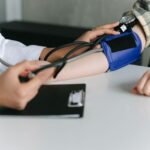
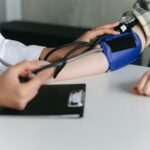
Every time your heart beats, it pushes blood into your arteries with force. This creates pressure inside the vessels — your blood pressure. A normal resting blood pressure for most adults is less than 120/80 mmHg. The first number is systolic pressure, the force when the heart contracts. The second is diastolic pressure, the force when the heart relaxes between beats.
Artery walls have three layers. The inner layer is smooth to keep blood flowing without clotting. The middle layer is muscle and elastic tissue. This layer allows arteries to expand with each heartbeat and then snap back. That expansion is what you feel when you check your pulse. The outer layer provides structure and connects the artery to surrounding tissue.
Arteries also help regulate blood flow. The muscle in their walls can contract or relax to narrow or widen the vessel. This process is called vasoconstriction and vasodilation. It helps your body direct more blood to muscles during exercise or to your skin when you need to cool down.



Why Do Veins Need Valves?
Veins work against gravity. Blood returning from your legs must travel upward to reach your heart, and the pressure pushing it is far weaker than the pressure in arteries. To solve this problem, veins contain one-way valves.
These valves are small flaps of tissue that open to let blood move toward the heart and close to prevent it from sinking backward. When the muscles in your legs contract — such as when you walk — they squeeze the veins and help push blood upward. This is often called the skeletal muscle pump.
When these valves weaken or fail, blood can pool in the veins. This condition is called chronic venous insufficiency. It can lead to varicose veins, which are swollen, twisted veins visible under the skin. It can also cause leg swelling, aching, and skin changes over time. Factors that raise the risk include prolonged standing, obesity, pregnancy, and a family history of the condition.
What Happens Inside Capillaries?
Capillaries are where the actual work of the circulatory system happens. They are so small that red blood cells must pass through them single file. Their walls are a single layer of cells, which makes exchange fast and efficient.
Oxygen moves out of the capillaries into your tissues. Carbon dioxide, a waste product of cellular activity, moves from your tissues into the capillaries to be carried away. Nutrients from digested food follow the same path into your cells. Waste products from your cells enter the blood to be filtered by the kidneys.
Capillaries are not distributed evenly throughout the body. Some organs, like the lungs, liver, and kidneys, are dense with capillaries because they do heavy exchange work. Other tissues, like tendons and cartilage, have fewer capillaries because they need less blood supply.
Not all capillaries are always open. Your body can open or close capillary networks to direct blood where it is needed most. After a meal, more capillaries open in your digestive system. During exercise, more open in your muscles.
How Do the Lungs Fit Into the System?
The circulatory system has two loops, and the lungs sit between them. This is a common point of confusion.
The first loop is called pulmonary circulation. Blood leaves the right side of the heart and travels through the pulmonary arteries to the lungs. In the lungs, the blood drops off carbon dioxide and picks up fresh oxygen. It then returns through the pulmonary veins to the left side of the heart.
The second loop is called systemic circulation. Blood leaves the left side of the heart through the aorta and travels to the rest of the body. It delivers oxygen and nutrients, picks up waste, and returns through the veins to the right side of the heart.
One detail surprises many people: the pulmonary arteries carry oxygen-poor blood, and the pulmonary veins carry oxygen-rich blood. This is the opposite of the rest of the body. The names refer to the direction of travel — away from or toward the heart — not the oxygen content of the blood.
What Damages Blood Vessels Over Time?
Several factors can damage blood vessels, and the damage usually builds silently over years. High blood pressure forces blood against artery walls with too much force. Over time, this can injure the inner lining of the vessels. Smoking damages the vessel lining directly and accelerates the buildup of plaque. High cholesterol contributes to plaque, a waxy substance that can narrow or block arteries. Diabetes damages vessel walls through high blood sugar levels over time.
This damage process is called atherosclerosis. Plaque builds up inside artery walls, narrowing the passage and reducing blood flow. If a plaque ruptures, a blood clot can form and block the artery completely. When this happens in the heart, it causes a heart attack. When it happens in the brain, it causes a stroke.
Vessel health is strongly tied to lifestyle. Regular physical activity helps keep vessels flexible and supports healthy blood pressure. A diet low in processed foods and high in vegetables, fruits, and whole grains supports healthy cholesterol and blood sugar levels. Not smoking is one of the most protective things a person can do for their blood vessels.
What Are Common Blood Vessel Conditions?
Several conditions affect different parts of the vascular system.
Atherosclerosis is the buildup of plaque in artery walls. It is the underlying cause of most heart attacks and strokes. It develops slowly and often causes no symptoms until a vessel is significantly narrowed or blocked.
Peripheral artery disease is atherosclerosis in the arteries of the legs or arms. It can cause leg pain with walking that goes away with rest. Some people have no symptoms at all.
Deep vein thrombosis is a blood clot in a deep vein, usually in the leg. It can cause swelling, pain, and redness. The serious risk is that the clot breaks free and travels to the lungs, where it can block blood flow — a condition called pulmonary embolism.
Varicose veins are enlarged, twisted veins caused by weak or damaged valves. They are common and usually not dangerous, but they can cause discomfort. In some cases, they signal deeper vein problems.
Aneurysms are bulges in an artery wall caused by a weak spot. They can occur in the aorta, brain, or other arteries. Most cause no symptoms until they rupture, and a ruptured aneurysm is a medical emergency.
How Can You Keep Blood Vessels Healthy?
Blood vessel health is largely within your control. The same habits that protect your heart protect your entire vascular system.
Physical activity is one of the most effective measures. Moderate exercise — like brisk walking — for at least 150 minutes per week supports healthy blood pressure and keeps vessels flexible. Any movement helps. Even short walks throughout the day are better than sitting for long stretches.
Diet matters. Eating patterns rich in vegetables, fruits, whole grains, and lean proteins support vascular health. Limiting sodium helps control blood pressure. Limiting saturated and trans fats helps control cholesterol. The evidence for these dietary patterns is strong and consistent.
Know your numbers. Blood pressure, cholesterol, and blood sugar are all modifiable risk factors. Regular checkups that measure these values catch problems early, when they are easier to address. If your doctor prescribes medication for blood pressure, cholesterol, or diabetes, taking it as directed reduces your risk of vascular disease.
Do not smoke. Smoking damages the inner lining of blood vessels, makes blood more likely to clot, and accelerates atherosclerosis. The protective effect of quitting begins quickly and grows with time.
Frequently Asked Questions
What is the main function of blood vessels?
The main function of blood vessels is to transport blood throughout the body. Arteries carry blood away from the heart, veins carry it back, and capillaries allow oxygen and nutrients to pass into tissues.
How many types of blood vessels are there?
There are three main types: arteries, veins, and capillaries. Arterioles and venules are smaller subtypes that connect these main vessels to the capillary network.
What is the difference between arteries and veins?
Arteries carry blood away from the heart under high pressure and have thick, muscular walls. Veins carry blood back to the heart under low pressure and have thinner walls with one-way valves to prevent backflow.
Why are capillaries important?
Capillaries are where oxygen, nutrients, and waste products are exchanged between blood and tissues. Their walls are only one cell thick, which allows substances to pass through easily.
