
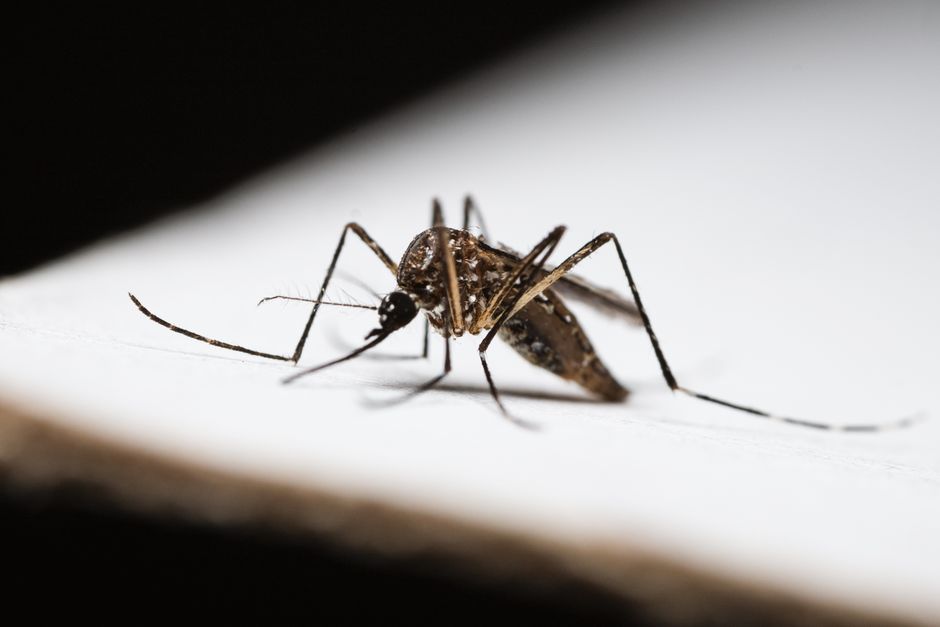
Bed bugs are small, flat insects that feed on human blood. They hide in cracks and crevices during the day and come out at night to bite. Their bites can cause itchy welts, but bed bugs are not known to spread disease to humans. Understanding what they do helps you recognize an infestation early and deal with it effectively.
What Do Bed Bugs Do to Your Body?
Bed bugs bite to feed on blood. They use a straw-like mouthpart to pierce the skin and draw blood. The bite is usually painless at first because bed bugs inject a substance that numbs the area and prevents blood from clotting.
Most people develop an itchy red welt at the bite site. The itching comes from your body’s immune response to the bed bug’s saliva. Reactions vary widely from person to person. Some people have no reaction at all. Others develop large, painful, swollen areas.
Bites often appear in a line or cluster. This happens because a single bed bug may bite several times as it moves along the skin. Common bite locations include the face, neck, arms, and hands — areas exposed while you sleep.
Secondary skin infections are the main medical concern. Scratching bites can break the skin and allow bacteria to enter. If a bite becomes red, warm, swollen, or starts draining fluid, see a healthcare provider. These signs may indicate an infection that needs treatment.
Bed bugs do not transmit bloodborne diseases. Research has not found evidence that bed bugs spread hepatitis, HIV, or other infectious diseases to humans. This finding comes from decades of study, and public health agencies consistently report the same conclusion.
How Do Bed Bugs Behave at Night?
Bed bugs are nocturnal. They hide during daylight hours in tight spaces close to where people sleep. Common hiding spots include mattress seams, box spring edges, bed frame joints, and headboard cracks.
They are attracted to body heat and carbon dioxide. When you are asleep, your body gives off both. Bed bugs sense these signals and move toward you. They typically feed between midnight and dawn, but hungry bed bugs will feed during the day if they are desperate.
A bed bug feeding session lasts about five to ten minutes. After feeding, the bug returns to its hiding place. It then digests the blood meal over several days. Adult bed bugs can survive for months without feeding, which makes eliminating them difficult.
Bed bugs do not live on people. Unlike lice, they do not stay attached to the body or hair. They feed and retreat. This behavior means you will not feel them crawling on you during the day, and you cannot wash them off in a shower.
How Do Bed Bugs Spread and Infest Homes?
Bed bugs spread by hitchhiking. They do not fly or jump. They crawl quickly and can attach to clothing, luggage, furniture, and personal belongings. Hotels, public transportation, and secondhand furniture are common sources of infestation.
Female bed bugs lay eggs continuously. A single female can lay hundreds of eggs over her lifetime. The eggs are tiny — about the size of a pinhead — and are glued to surfaces. They hatch within one to two weeks in warm conditions.
An infestation grows silently. Bed bugs can go unnoticed for weeks or months, especially if you do not have a skin reaction to bites. By the time you see live bugs, the infestation may already be large.
Infestations are not related to cleanliness. Bed bugs do not care whether a home is clean or dirty. They need only blood and a hiding place. Five-star hotels and spotless homes get infestations just as often as any other location.




What Are the Signs of Bed Bugs in Your Home?
Live bed bugs are the clearest sign. Adults are about the size of an apple seed — roughly 5 to 7 millimeters long. They are oval, flat, and reddish-brown. After feeding, they become more rounded and darker in color.
Look for dark spots on bedding and mattresses. These are bed bug droppings. They look like small ink dots and may smear when touched. You may also find tiny bloodstains on sheets where a bug was crushed after feeding.
Cast skins are another sign. Bed bugs molt five times before reaching adulthood. Each molt leaves behind a pale, translucent shell. These skins accumulate in hiding spots over time.
A sweet, musty odor can indicate a heavy infestation. Bed bugs release pheromones that produce this smell. Most people only notice it when the infestation is large, but some describe it as similar to rotting raspberries.
Bite marks alone do not confirm bed bugs. Many other insects and skin conditions cause similar welts. If you have bites but no other signs, look for the physical evidence above before concluding bed bugs are the cause.
How Do You Get Rid of Bed Bugs?
Eliminating bed bugs requires a systematic approach. There is no single spray or home remedy that works on its own. Successful treatment combines cleaning, preparation, and often professional pest control.
Start by washing all bedding, clothing, and fabric items in hot water. Dry them on the highest heat setting for at least 30 minutes. Heat kills bed bugs and their eggs. Items that cannot be washed can be placed in a dryer on high heat.
Vacuum thoroughly. Focus on mattress seams, box springs, baseboards, and carpet edges. Empty the vacuum bag or canister immediately into a sealed plastic bag and dispose of it outside. Vacuuming removes bugs, eggs, and droppings but does not eliminate an infestation alone.
Encase your mattress and box spring in bed bug-proof covers. These zippered covers trap existing bugs inside and prevent new bugs from entering. Leave the covers on for at least one year to ensure all trapped bugs die.
Reduce hiding places. Seal cracks in walls and baseboards. Remove clutter from under and around the bed. Pull the bed away from the wall and place interceptors under the bed legs. These devices trap bed bugs as they try to climb up to reach you.
Professional treatment is often necessary. Pest control professionals use a combination of insecticides and sometimes heat treatments. Heat treatment raises the temperature of an entire room to levels that kill bed bugs at all life stages. This approach is effective but requires specialized equipment.
Do not use foggers or bug bombs. Research indicates these products do not penetrate the cracks where bed bugs hide. They can scatter the infestation, making it worse. Pesticide misuse is also a health risk to you and your family.
How Do You Prevent Bed Bugs From Coming Back?
Inspect secondhand furniture before bringing it home. Check seams, crevices, and folds carefully. If you find any sign of bed bugs, do not bring the item inside. This is one of the most common ways infestations start.
When traveling, check hotel beds before settling in. Pull back the sheets and inspect the mattress seams and headboard. Keep your luggage on a luggage rack rather than the floor or bed. When you return home, wash all travel clothing in hot water immediately.
After a professional treatment, continue monitoring. Place interceptors under bed legs and check them weekly. Use a flashlight to inspect mattress seams and baseboards regularly. Early detection of a few bugs is far easier to manage than a full reinfestation.
Be cautious with shared laundry facilities. Transport laundry in plastic bags rather than fabric baskets. Remove items from the dryer promptly. The heat of the dryer kills any bed bugs that may have hitched a ride.
Do Bed Bugs Carry Diseases?
No. Extensive research has found no evidence that bed bugs transmit diseases to humans. This is the consistent position of public health authorities based on decades of study.
The primary health impact is the bites themselves. Itching, skin irritation, and secondary infections from scratching are the main concerns. Sleep disruption and anxiety are also common in people dealing with an infestation.
Some people develop psychological distress from an infestation. Fear of being bitten, difficulty sleeping, and social embarrassment can persist even after the bugs are gone. If this distress affects your daily life, talk to a healthcare provider.
Frequently Asked Questions
Can bed bugs live in your hair?
No. Bed bugs prefer to hide in furniture and bedding, not on the human body. They feed and then retreat to their hiding places.
How long can bed bugs live without feeding?
Adult bed bugs can survive several months without a blood meal under cool conditions. In warmer environments, they need to feed more frequently.
Do bed bugs bite every night?
No. Bed bugs feed every few days when a host is available. They can go weeks between meals, which is why bites may not appear nightly.
Can you feel bed bugs crawling on you?
Some people feel a tickling sensation, but most do not feel bed bugs while sleeping. Their bites are usually painless because they inject a numbing substance.
