
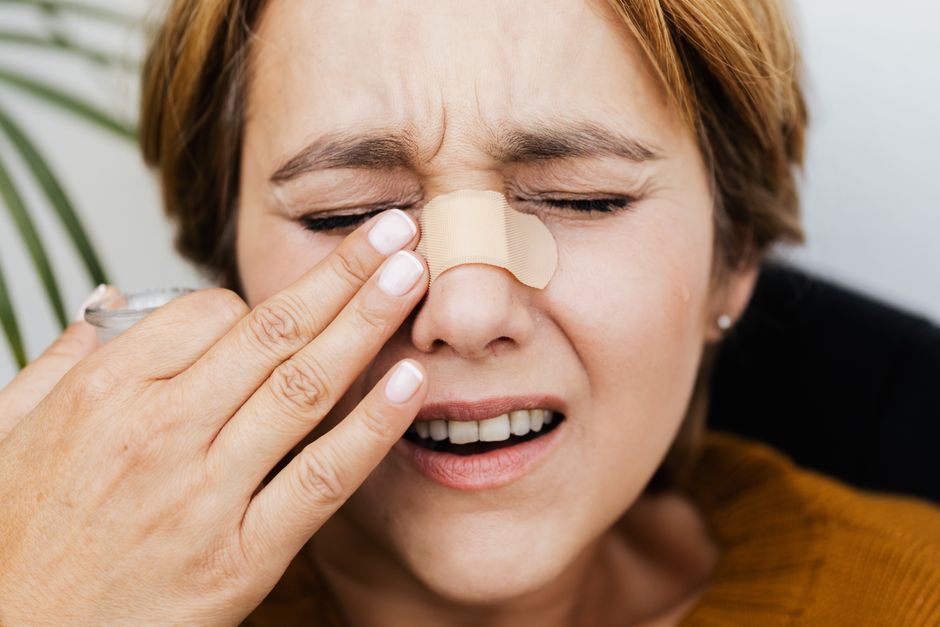
Allergy eyes feel like someone poured sand under your eyelids and then told you not to rub them. The itching is the main event, and it can be intense enough to disrupt sleep, work, or any normal activity. Along with the itch, your eyes may burn, water nonstop, turn red, and feel swollen or puffy. These symptoms usually hit both eyes at the same time and often come with sneezing or a runny nose if you have seasonal allergies.
What Does the Itching Actually Feel Like?
The itch from allergic conjunctivitis is not a mild tickle. People describe it as a deep, persistent urge to rub that builds until it is hard to ignore. Some say it feels like a burning sensation mixed with the urge to scratch. The medical term for this is ocular pruritus, and it is the most common and most specific symptom of eye allergies.
Rubbing provides a few seconds of relief, then makes things worse. The physical pressure releases more histamine from mast cells in the eyelid tissue. That creates a cycle: the more you rub, the more histamine releases, and the more it itches. This is why doctors consistently advise against rubbing allergy eyes, even though it is the most natural response.
Why Do Your Eyes Water and Turn Red?
Watery eyes, or reflex tearing, happen because the eye is trying to flush out the allergen. When pollen or pet dander lands on the surface of the eye, the immune system treats it as a threat. Mast cells release histamine and other chemicals. Blood vessels in the conjunctiva — the clear tissue covering the white of the eye — dilate and leak fluid. That dilation is what makes the eyes look red or pink.
The fluid leakage causes swelling. In mild cases, the eyes just look tired or slightly puffy. In more pronounced reactions, the eyelids swell noticeably, sometimes within minutes of exposure. This swelling can make the eyes feel heavy or tight, and some people say their eyes feel like they are being squeezed.
What Other Sensations Accompany Allergy Eyes?
Beyond itching, tearing, and redness, several other sensations are common. A gritty feeling is frequent — patients often say it feels like there is a foreign body in the eye, even though nothing is there. Burning and stinging are also common, especially if the eyes have been rubbed a lot or if the tear film has been disrupted by excessive watering.
Light sensitivity, or photophobia, can occur but is usually mild. Some people report a dull ache behind the eyes, particularly if they have associated sinus congestion. Blurred vision can happen temporarily because of the excess tears and mucus on the eye surface. If vision stays blurry after wiping the eyes, that is a sign to see a doctor rather than assuming it is allergies.




How Do Allergy Eyes Differ from Dry Eyes or Infections?
Allergy eyes and dry eyes share some symptoms, which creates confusion. Both can cause burning and a gritty feeling. The key difference is itching. Dry eye syndrome rarely causes the intense, relentless itch that allergies do. Dry eyes typically feel worse as the day goes on, while allergy symptoms often flare suddenly after exposure to a trigger like pollen or dust.
Infections like pink eye, or viral conjunctivitis, also cause redness and discharge. But viral pink eye often starts in one eye and may spread to the other. Allergy eyes almost always affect both eyes at the same time. Bacterial infections produce thick, yellow-green discharge, while allergy eyes produce thin, watery tears. If you have crusting that seals your eyelids shut in the morning, that points to an infection, not allergies.
What Do Allergy Eyes Feel Like Symptoms Explained by Cause
Seasonal allergic conjunctivitis is the most common form. It flares when pollen counts are high, typically in spring and fall. Perennial allergic conjunctivitis happens year-round and is usually triggered by indoor allergens like dust mites, mold, or pet dander. The symptoms feel the same; only the timing and trigger differ.
Vernal keratoconjunctivitis is a more severe form that mainly affects children and young adults, especially boys. It causes intense itching, large bumps on the inside of the upper eyelid, and a thick, ropy discharge. Giant papillary conjunctivitis is associated with contact lens wear or eye surgery. If you wear contacts and develop eye allergies, the lenses can trap allergens against the eye surface, making symptoms worse.
How Long Do Allergy Eye Symptoms Last?
The duration depends entirely on exposure. If you walk through a park during high pollen season and develop symptoms, they may last a few hours to a full day after you come inside. If you live with a cat you are allergic to, symptoms can persist for weeks or months because the allergen is constantly present.
Over-the-counter antihistamine eye drops typically start working within minutes. Oral antihistamines can take an hour or more to provide relief. If symptoms last more than a few days despite avoiding triggers and using medication, or if they do not respond to treatment, that warrants a medical evaluation. Persistent symptoms could indicate a different condition or a need for prescription-strength treatment.
What Provides Real Relief?
Cold compresses are the fastest non-medication relief. The cold temperature constricts blood vessels, reducing redness and swelling while numbing the itch receptors. A clean washcloth soaked in cold water, applied over closed eyes for 10 minutes, can break the itch-rub cycle.
Artificial tears without preservatives can wash allergens off the eye surface and dilute the tear film. These are safe to use frequently. Antihistamine eye drops like ketotifen are available over the counter and work well for acute flares. Mast cell stabilizers prevent the release of histamine but take several days to reach full effect, so they work better as preventive treatment during allergy season.
Oral antihistamines help with eye symptoms but are generally less effective than topical drops for eye-specific complaints. They also dry the eyes, which can worsen the gritty feeling. If you wear contact lenses, remove them at the first sign of allergy symptoms. Lenses absorb allergens and prolong exposure.
When Should You See a Doctor?
See a doctor if you have moderate to severe eye pain, if vision changes or blurs persistently, or if symptoms do not improve after several days of over-the-counter treatment. Significant eyelid swelling that does not go down with cold compresses also warrants evaluation. These symptoms could indicate a corneal problem or a more serious inflammatory condition.
Prescription treatments exist for cases that do not respond to over-the-counter options. These include stronger antihistamine drops, combination drops that pair antihistamines with mast cell stabilizers, and short courses of topical corticosteroids for severe inflammation. Corticosteroid eye drops should only be used under medical supervision because long-term use carries risks including increased eye pressure and cataract formation.
Can You Prevent Allergy Eyes?
Prevention focuses on reducing allergen exposure. During high pollen seasons, keep windows closed and use air conditioning. Change clothes and shower after spending time outdoors. Wash bedding in hot water weekly to reduce dust mites. If pet dander is the trigger, keep pets out of the bedroom and wash your hands after touching them.
Over-the-counter mast cell stabilizer drops can be started two weeks before allergy season begins. This approach prevents the inflammatory cascade rather than treating symptoms after they start. Some people find that wearing wraparound sunglasses outdoors acts as a physical barrier against airborne pollen.
Frequently Asked Questions
Can allergy eyes cause blurred vision?
Yes, but it is usually temporary. Excess tears and mucus on the eye surface can blur vision until you blink or wipe the eye. Persistent blurred vision that does not clear is not typical for allergies and needs medical evaluation.
How quickly do allergy eye drops work?
Antihistamine eye drops usually provide relief within minutes of application. The effect lasts several hours, but the duration varies by product. Follow the label instructions for how often to use them.
Are allergy eyes contagious?
No. Allergic conjunctivitis is an immune response to an allergen, not an infection. You cannot pass it to another person. If the discharge becomes thick and yellow or green, that may indicate an infection, which can be contagious.
Can you develop eye allergies as an adult?
Yes. Allergies can develop at any age, even if you have never had them before. Many adults first experience seasonal eye allergies in their 30s or 40s. The reason some people develop new allergies later in life is not fully understood.
