
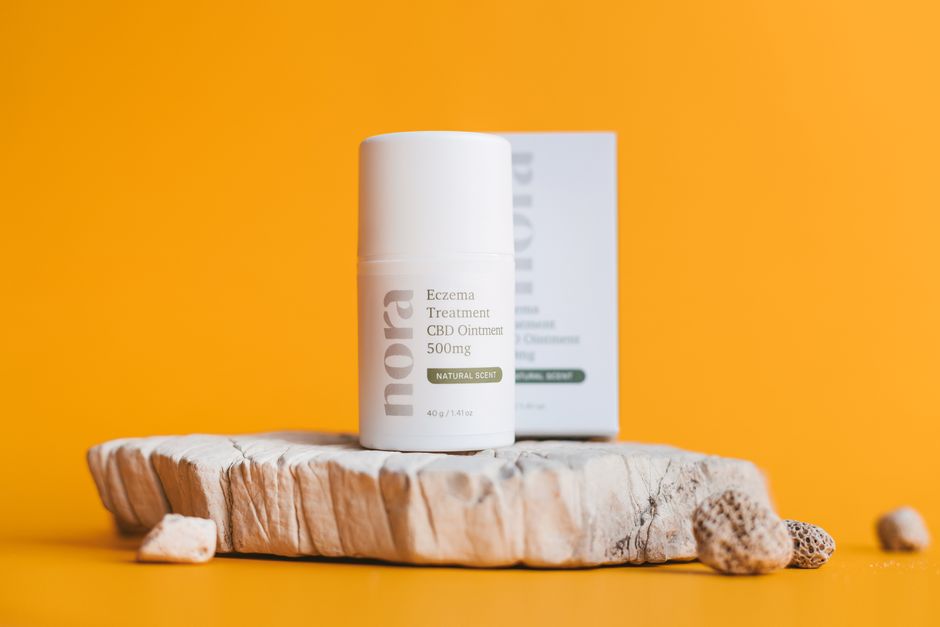
Finding the right cream for eczema often feels like trial and error, but the answer starts with understanding what your skin actually needs. For most people with eczema, the best first choice is a rich, fragrance-free moisturizer or emollient that repairs the skin barrier, not a medicated cream. These are the creams that restore moisture and reduce the dryness that drives the itch-scratch cycle, and they are the foundation of every eczema treatment plan.
What Cream Is Good For Eczema?
The short answer is that there is no single “best” cream for everyone. However, dermatologists consistently recommend thick, ointment-based or cream-based moisturizers that are fragrance-free and dye-free. Products containing ceramides, glycerin, or petrolatum are among the most effective for repairing the skin barrier. These ingredients trap water in the skin and help it heal.
For mild eczema, a good moisturizer used daily may be all you need. For moderate to severe flares, you will likely need a medicated cream prescribed by a doctor, such as a topical corticosteroid or a newer non-steroidal option. The right choice depends on the severity of your symptoms and the location of the rash.
How Do Eczema Creams Actually Work?
Eczema is not just dry skin. It is a condition where the skin barrier is weak, allowing moisture to escape and irritants to enter. This triggers inflammation, which causes redness, itching, and flaking. Creams work in two main ways: they either restore the barrier or they reduce the inflammation.
Barrier-repair creams are the everyday moisturizers you apply even when your skin looks clear. They contain lipids and humectants that mimic the skin’s natural oils. Inflammatory creams, like corticosteroids, calm the immune response that causes the flare. Both are often needed at different times.
What Ingredients Should You Look For?
When you read the label on an eczema cream, focus on the ingredients that have strong evidence behind them. Look for products that contain one or more of the following:
- Ceramides: These are lipids naturally found in the skin barrier. Replacing them helps seal in moisture.
- Petrolatum: A highly effective occlusive that prevents water loss. It is the gold standard for barrier repair.
- Glycerin: A humectant that draws water into the outer skin layer.
- Shea butter or colloidal oatmeal: These soothe and moisturize, and oatmeal has anti-inflammatory properties.
Avoid products with fragrance, essential oils, or dyes. These are common triggers for eczema flares. Even “natural” fragrances can irritate broken skin. The fewer ingredients on the list, the lower the risk of a reaction.



Do You Need a Prescription Cream?
Over-the-counter moisturizers are not the same as medicated creams. If your eczema is red, itchy, and not improving with moisturizing alone, you likely need a prescription treatment. Topical corticosteroids are the standard first-line therapy for flares. They reduce inflammation quickly and come in different strengths depending on where the rash is located.
There are also non-steroidal prescription options. These include topical calcineurin inhibitors like tacrolimus and pimecrolimus, which are often used on sensitive areas like the face or eyelids. More recently, topical phosphodiesterase-4 inhibitors like crisaborole have become available. These are safe for long-term use in many patients, but a doctor must decide if they are right for you.
Never use a strong steroid cream on your face or on a child without medical guidance. Steroid creams thin the skin with prolonged use, so they should be used exactly as directed.
How Often Should You Apply Eczema Cream?
Consistency matters more than the specific brand. Dermatologists generally recommend applying a moisturizer at least twice a day, and always immediately after bathing. The best time is within three minutes of stepping out of the shower, while your skin is still damp. This traps the water in your skin.
Use a generous amount. For an adult with widespread eczema, a standard 16-ounce tub of moisturizer may last only a few weeks if used correctly. If your eczema is on your hands, apply cream every time you wash them. Hand washing strips oils, and replacing them quickly prevents flares.
Do not stop using the moisturizer when your skin looks clear. Eczema is a chronic condition, and maintaining the skin barrier daily is what prevents future flares.
Should You Use Ointment, Cream, or Lotion?
This is one of the most common questions, and the answer is based on the water-to-oil ratio. Lotions have the highest water content and evaporate quickly. They are often too light for eczema. Creams have a balanced ratio and work well for most people. Ointments like Vaseline or Aquaphor have almost no water and provide the strongest barrier.
In general, the thicker the product, the more effective it is at preventing water loss. Many dermatologists recommend using a cream during the day for comfort and an ointment at night for intensive repair. If you find ointments too greasy, a cream with petrolatum as a main ingredient is a reasonable compromise.
What About Natural or Herbal Eczema Creams?
Some natural ingredients have genuine evidence behind them. Colloidal oatmeal is approved by the FDA as a skin protectant, and research has shown it reduces itching and inflammation. Coconut oil may also help, as it has moisturizing and antibacterial properties. A study published in the Journal of Dermatological Treatment found that virgin coconut oil was effective in reducing dryness in children with eczema.
However, be critical of “herbal” creams that make bold claims. Some imported herbal creams have been found to contain hidden, high-strength steroids. These can cause severe skin thinning because you do not know what you are applying. The evidence for most botanical blends is limited or absent. If a product claims to cure eczema, it is not being honest with you.
Why Does Your Cream Stop Working?
If a cream that once helped now seems useless, the problem is usually not the product. It is the severity of the flare. During a bad eczema flare, the skin barrier is so damaged that a moisturizer alone cannot fix it. Moisturizers do not calm active inflammation. They only prevent dryness.
You may also be reacting to something in your environment. Soap residue, laundry detergent, sweat, or even a new fabric softener can trigger a flare that no cream will fix until the trigger is removed. If your eczema is worsening despite good moisturizing habits, you should see a dermatologist. You may need a stronger treatment or light therapy.
Another possibility is that you have developed a secondary infection. Eczema skin is cracked and vulnerable, and bacteria can enter easily. If your rash is weeping, crusted, or unusually painful, this is not a moisturizer problem. This requires medical attention.
Can You Use the Same Cream on a Baby or Child?
Children and infants have thinner skin and absorb more of what is applied to them. The same basic rule applies: use fragrance-free, dye-free moisturizers. However, you should be more careful with medicated creams. The strength of a steroid that is safe for an adult may not be safe for a child.
No clinical guidelines currently exist for many over-the-counter “baby eczema” products, and some contain botanical extracts that can actually irritate infant skin. For babies under six months, it is safest to stick to plain petrolatum or a ceramide-based cream recommended by a pediatrician. Always consult a pediatrician before using any medicated cream on a child.
What Is the Best Daily Routine for Eczema-Prone Skin?
Your cream is only one part of the equation. The way you bathe and dress affects how well your cream works. Take short, lukewarm showers or baths. Hot water strips the skin of its natural oils. Limit baths to 10 minutes. Pat your skin dry with a towel. Do not rub.
Apply your moisturizer immediately after drying. If you use a prescription steroid, the general guidance is to apply the steroid first to the affected areas, wait about 15 minutes, then apply the moisturizer over the entire body. This allows the medication to absorb without being diluted.
Wear soft, breathable fabrics like cotton. Avoid wool and synthetic materials that can scratch or irritate the skin. Keep your fingernails short to reduce damage from scratching.
Frequently Asked Questions
Is it better to use a cream or an ointment for eczema?
Ointments are more effective at sealing in moisture because they contain more oil and less water. Creams are less greasy and more comfortable for daytime use, so many people use both.
Can I use hydrocortisone cream on my face for eczema?
Over-the-counter hydrocortisone should only be used on the face for a few days and only under medical supervision. Facial skin is thin and more prone to steroid side effects.
How long does it take for eczema cream to work?
Moisturizers improve dryness immediately but take days to visibly repair the skin barrier. Prescription steroid creams typically reduce redness and itching within a few days of consistent use.
Are fragrance-free creams always safe for eczema?
Fragrance-free is a good starting point, but you still need to check for other irritants like essential oils, dyes, or alcohol. Products labeled “for sensitive skin” are not always suitable for active eczema flares.
