
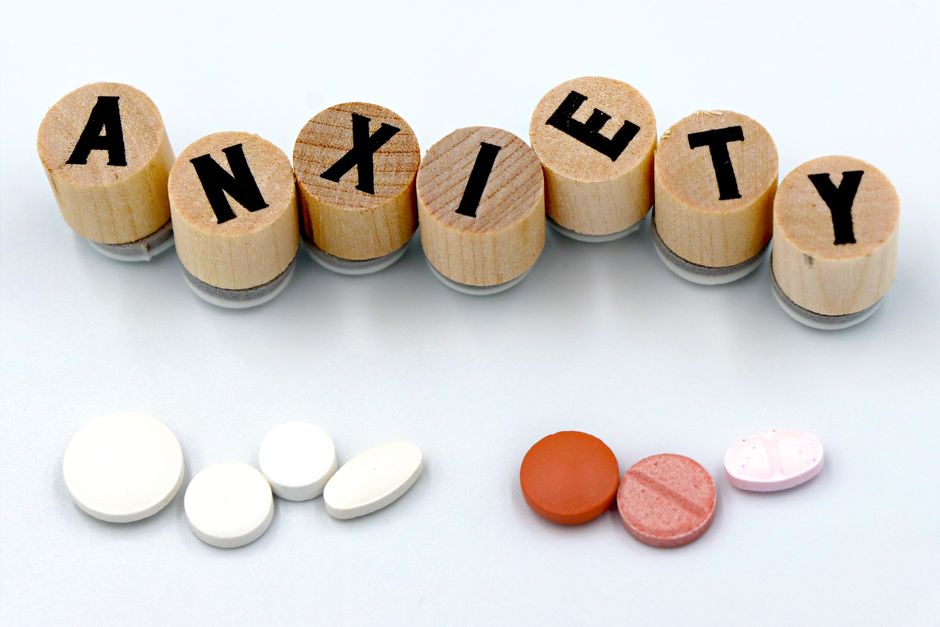
Anxiety has many possible causes, and most of the time it is not one single thing. It usually comes from a mix of brain chemistry, genetics, life stress, health conditions, and daily habits. Knowing which factors apply to you is the first step toward getting the right kind of help.
Anxiety is one of the most common mental health concerns in the United States. It can show up as constant worry, a racing heart, trouble sleeping, or a sense of dread that will not go away. Some anxiety is a normal response to stress. When it becomes intense, lasts for months, or interferes with daily life, it may meet the criteria for an anxiety disorder.
What Is Anxiety, Exactly?
Anxiety is your body’s built-in alarm system. When your brain senses a threat, it triggers the release of stress hormones like adrenaline and cortisol. Your heart beats faster, your breathing speeds up, and your muscles tense. This is the fight-or-flight response, and it is designed to protect you.
In short bursts, this response is helpful. It sharpens your focus before a presentation or helps you react quickly in danger. The problem starts when the alarm goes off too often, too intensely, or when there is no real threat at all.
Anxiety disorders are different from everyday nervousness. They involve persistent worry or fear that is out of proportion to the situation. They can affect sleep, concentration, relationships, and physical health. According to the National Institute of Mental Health, anxiety disorders are among the most common mental health conditions in the U.S., affecting tens of millions of adults each year.
There is an important distinction here. Feeling anxious is an emotion. An anxiety disorder is a clinical condition with specific diagnostic criteria. One does not automatically lead to the other.
What Could Cause Anxiety? Common Triggers and Root Causes
Anxiety rarely has a single cause. Research consistently points to a combination of biological, psychological, and environmental factors. Here are the main categories clinicians look at.
Brain Chemistry and Genetics
Neurotransmitters — chemicals that carry signals between brain cells — play a role in regulating mood and fear. Serotonin, norepinephrine, and gamma-aminobutyric acid (GABA) are the ones most studied in relation to anxiety. When their balance or signaling is disrupted, anxiety symptoms can appear.
Genetics also matter. Anxiety disorders tend to run in families. If a parent or sibling has an anxiety disorder, your risk is higher. But genes are not destiny. Many people with a family history never develop an anxiety disorder, and many without one do.
Chronic Stress and Life Events
Ongoing stress is one of the most common triggers. This includes job pressure, financial strain, caregiving, relationship conflict, or living in an unstable environment. The body’s stress response is not meant to stay switched on for months or years. When it does, anxiety often follows.
Major life events can also set it off. Losing a job, going through a divorce, experiencing a traumatic event, or facing a serious illness can all trigger anxiety. Even positive changes — a new baby, a move, a big promotion — can do the same.
Medical Conditions That Mimic or Worsen Anxiety
Some physical health conditions can directly cause anxiety symptoms. These include:
- Hyperthyroidism (overactive thyroid)
- Heart arrhythmias
- Low blood sugar (hypoglycemia)
- Chronic obstructive pulmonary disease (COPD) and other breathing problems
- Irritable bowel syndrome (IBS)
- Chronic pain conditions
When a medical condition is the root cause, treating the condition often reduces anxiety. This is why a thorough medical evaluation matters before assuming anxiety is purely psychological.
Medications and Substances
Certain medications can trigger or worsen anxiety as a side effect. These include some asthma inhalers, thyroid medications, and stimulants. Caffeine, alcohol, and recreational drugs are also common culprits. Caffeine in particular can produce physical symptoms that feel identical to anxiety — racing heart, jitteriness, and restlessness.
Alcohol is tricky. It may feel calming at first, but it disrupts sleep and can increase anxiety the next day. Over time, regular alcohol use can make anxiety worse, not better.
How Do I Know If My Anxiety Is a Problem?
Anxiety becomes a clinical concern when it is persistent, hard to control, and gets in the way of daily life. Clinicians look for patterns like:
- Worry that feels impossible to shut off
- Restlessness or feeling on edge most days
- Muscle tension, headaches, or stomach problems
- Trouble falling asleep or staying asleep
- Avoiding situations because of fear
- Physical symptoms like a racing heart, sweating, or shortness of breath
These symptoms need to last for weeks or months — not just a bad day — to suggest an anxiety disorder. A doctor or mental health professional can help sort out whether what you are experiencing meets the criteria for a diagnosis.
It is also worth knowing that anxiety and depression often occur together. Many people have symptoms of both. This does not mean one caused the other. It means they share overlapping risk factors and brain pathways.





Can Anxiety Be Treated?
Yes. Anxiety disorders are among the most treatable mental health conditions. The two main approaches with the strongest evidence are psychotherapy and medication. Many people benefit from both.
Cognitive behavioral therapy (CBT) is the most studied form of talk therapy for anxiety. It helps people identify and change thought patterns that fuel anxiety. Research has found it effective for generalized anxiety disorder, panic disorder, social anxiety disorder, and specific phobias.
Medications for anxiety include selective serotonin reuptake inhibitors (SSRIs), serotonin-norepinephrine reuptake inhibitors (SNRIs), and benzodiazepines. SSRIs and SNRIs are generally considered first-line for ongoing anxiety. Benzodiazepines work quickly but carry a risk of dependence and are usually prescribed for short-term use.
Lifestyle changes can support treatment but are not a replacement for it. Regular physical activity, consistent sleep, limiting caffeine and alcohol, and learning relaxation techniques can all help reduce baseline anxiety. The evidence for exercise as a supportive measure is moderate and growing.
If you are struggling, reaching out to a doctor or licensed mental health professional is a reasonable next step. You do not need to wait until things feel unmanageable.
When Should I Seek Professional Help?
Consider talking to a professional if anxiety is affecting your work, relationships, sleep, or ability to function. Also seek help if you are avoiding things you used to enjoy, if you are using alcohol or drugs to cope, or if you have thoughts of harming yourself.
If you are in crisis or having thoughts of suicide, call or text 988 to reach the Suicide and Crisis Lifeline. This line is available 24 hours a day in the U.S.
There is no threshold you have to cross before asking for help. Some people wait years because they think their anxiety is not “bad enough.” That delay often makes things harder, not easier.
Frequently Asked Questions
Can anxiety be caused by a physical health problem?
Yes. Conditions like hyperthyroidism, heart arrhythmias, and low blood sugar can directly produce anxiety symptoms. A medical evaluation can help rule these out.
Is anxiety inherited?
Anxiety disorders do tend to run in families, so genetics can raise your risk. But having a family history does not mean you will develop an anxiety disorder.
Can too much caffeine cause anxiety?
Yes. Caffeine can trigger physical symptoms that mimic anxiety, including a racing heart, jitteriness, and restlessness. Reducing intake often helps.
What is the most effective treatment for anxiety?
Cognitive behavioral therapy and medications like SSRIs have the strongest evidence for treating anxiety disorders. Many people do best with a combination of both.
