
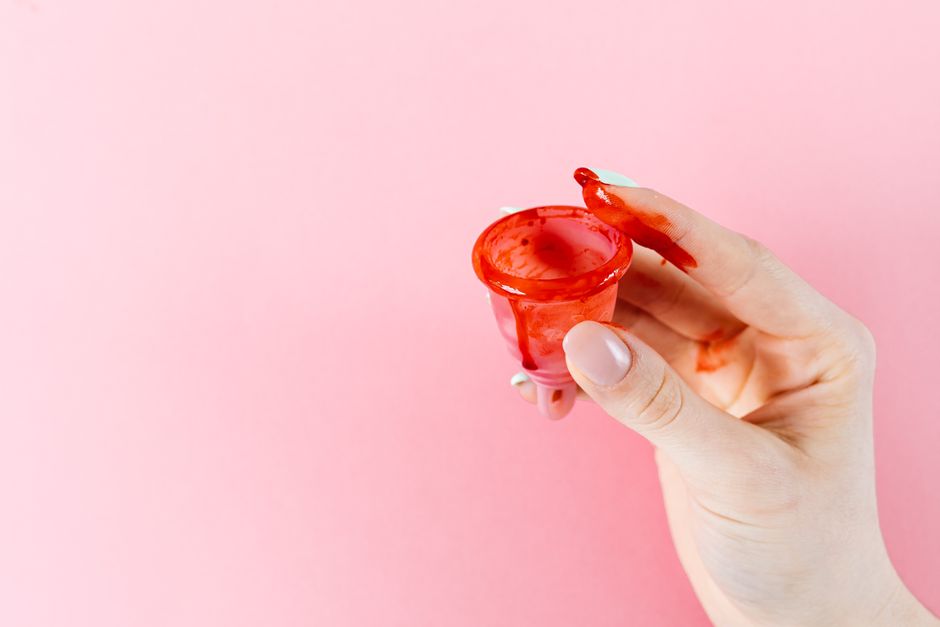
Blood is red. Not sometimes red, not red under certain conditions — red as a baseline fact of human biology. The color comes from hemoglobin, the iron-containing protein inside red blood cells that grabs oxygen in your lungs and carries it to every tissue in your body. What changes is not whether your blood is red, but the exact shade of red, and that shift can tell you something about what is happening inside your body.
Most color variation is normal and harmless. A few variations are worth a doctor’s attention. Knowing which is which matters more than most people realize.
What Color Is My Blood And Why Does It Change?
Oxygenated blood is bright red. Deoxygenated blood is a darker, duller red. That is the core of it.
The color difference comes down to chemistry. Hemoglobin contains iron atoms that bind oxygen. When oxygen attaches, the iron changes its shape slightly, and that structural change alters how the molecule absorbs and reflects light. Bright red means oxygen is bound. Dark red means it has been released to your tissues.
This is why the blood in your arteries looks different from the blood in your veins. Arteries carry blood away from the heart, freshly loaded with oxygen. Veins carry it back, depleted. The color difference is real, but it is a difference between two shades of red, not between red and blue.
Why do veins look blue through the skin?
This is one of the most common misconceptions in human biology. Veins do not contain blue blood. Ever.
The blue appearance is an optical effect. When you look at a vein through your skin, light has to pass through tissue before it reaches the vessel and then bounce back to your eye. Skin scatters and absorbs different wavelengths of light unevenly. Red light penetrates deeper and gets absorbed. Blue light scatters more and reflects back. Your eye receives more blue wavelengths from that area, so the vein appears blue.
If you have ever donated blood, you have seen the truth. The blood in the bag is dark red. It was never blue.
What Does Bright Red Blood Mean?
Bright red blood generally means the blood is well oxygenated. This is what you would expect from an artery, from a fresh cut, or from blood that has just passed through the lungs.
When bright red blood appears where it should not — in vomit, in stool, or in urine — it usually indicates bleeding somewhere in the upper or lower gastrointestinal tract, depending on the source. Bright red blood in stool often suggests bleeding from the lower digestive tract, closer to the rectum. Blood from higher up in the stomach or esophagus tends to look darker because it has been exposed to digestive acids and enzymes.
That said, bright red blood in stool can also come from something as minor as a small anal fissure. The color alone does not tell you the cause. It tells you the location is likely lower in the tract. A doctor needs to determine the source.
What Does Dark Red Or Nearly Black Blood Mean?
Dark red blood usually means deoxygenated blood. That is normal in your veins.
But when blood appears almost black — in stool, in vomit, or from another opening — it typically means the blood has been in contact with digestive juices for a while. The hemoglobin has been chemically altered by stomach acid and enzymes. Doctors call this digested blood. It usually points to bleeding higher up in the gastrointestinal tract, such as the stomach or upper small intestine.
Dark, tarry stool that looks like asphalt is a specific medical concern. It is different from dark brown stool, which is normal. Tarry stool has a distinct sticky texture and a strong odor. If you see it, contact a doctor promptly. It can indicate significant bleeding.





What Does Pink Or Diluted Blood Mean?
Pink blood is simply red blood mixed with something clear. That something is usually water, mucus, or body fluids.
Pink-tinged urine can result from a small amount of blood in the urinary tract, or it can be caused by certain foods like beets or blackberries. It can also come from medications. Some drugs change urine color without any bleeding at all. A doctor can tell the difference with a simple urine test.
Pink or blood-streaked mucus in saliva or sputum can come from irritation in the mouth, throat, or lungs. A single episode after brushing your teeth too hard is one thing. Recurring blood in sputum is another and deserves evaluation.
Can Blood Ever Actually Look Blue Or Green?
No. Human blood does not turn blue or green under any normal physiological condition.
There is a rare condition called sulfhemoglobinemia where sulfur binds to hemoglobin and can give blood a greenish tint. It is uncommon, usually caused by exposure to certain drugs or chemicals, and diagnosed through blood testing. It is not something you would notice by looking at your skin.
Some animals have different blood pigments. Horseshoe crabs have blue blood because they use copper-based hemocyanin instead of iron-based hemoglobin. That is biology, not myth. Human blood uses hemoglobin. It is red.
When Should Blood Color Concern You?
Blood color itself is rarely the whole story. Context, location, and duration matter more.
See a doctor if you notice:
- Blood in vomit, especially if it looks like coffee grounds
- Black, tarry stool
- Visible blood in urine that does not go away
- Blood in stool that is new, recurring, or accompanied by pain, weight loss, or changes in bowel habits
- Coughing up blood
- Unexplained bruising or bleeding that seems excessive
These signs can have many causes, most of them treatable. Some are minor. Some are not. The only way to know is to get evaluated.
One non-obvious point: the amount of blood you can see is not a reliable indicator of how much blood you are losing. A small visible bleed can sometimes reflect a larger internal issue, and a larger visible bleed can sometimes come from a superficial source. Visible blood is a signal to investigate, not a measurement of severity.
What Affects Blood Color Besides Oxygen?
Several things can shift the shade of your blood or the color of fluids that contain blood.
Medications. Some antibiotics, blood thinners, and other drugs can affect blood or urine color. This is usually harmless but worth mentioning to your doctor.
Foods. Beets, blackberries, and rhubarb can turn urine pink or red. This is a well-known effect and not a sign of bleeding.
Hydration. Dehydration makes blood more concentrated, which can affect how it looks when drawn. It does not change the fundamental red color.
Carbon monoxide exposure. Carbon monoxide binds to hemoglobin more tightly than oxygen does. Blood from someone with carbon monoxide poisoning can appear cherry red rather than the usual dark red. This is a medical emergency and not something you would diagnose by looking at blood color alone.
Methemoglobinemia. This rare condition changes hemoglobin so it cannot carry oxygen properly. Blood may appear darker or brownish. It can be caused by certain medications or inherited conditions and requires medical diagnosis.
| Blood Appearance | Common Meaning | When to Worry |
|---|---|---|
| Bright red | Oxygenated blood; normal in arteries and fresh cuts | If in vomit, stool, or urine without explanation |
| Dark red | Deoxygenated blood; normal in veins | If in stool or vomit and looks tarry or like coffee grounds |
| Nearly black | Digested blood from upper GI tract | Prompt medical evaluation recommended |
| Pink or diluted | Blood mixed with water, mucus, or other fluids | If persistent or unexplained |
| Cherry red (rare) | Possible carbon monoxide poisoning | Emergency — seek immediate care |
Does Blood Color Change When You Hold Your Breath?
Yes, temporarily. When you hold your breath, oxygen levels in your blood gradually drop and carbon dioxide rises. Blood becomes more deoxygenated. If you were to draw blood during a long breath-hold, it would look darker than normal.
This is a normal physiological response, not a health concern. Your body regulates breathing automatically to keep oxygen and carbon dioxide in balance. The color shift reverses as soon as you breathe normally again.
This is also why blood drawn from a vein looks different from blood from a finger prick. Venous blood is already lower in oxygen than arterial blood. The color difference is expected.
Why Does Dried Blood Look Different?
Dried blood turns brown or rust-colored. This happens because hemoglobin oxidizes when exposed to air. The iron in hemoglobin reacts with oxygen, forming a different compound that reflects light differently.
This is the same process that makes old bloodstains on fabric turn brown over time. It is chemistry, not a sign of anything wrong.
Fresh blood on a bandage is bright red. A few hours later, it is darker. By the next day, it may look brown or black. All of that is normal.
Frequently Asked Questions
Is deoxygenated blood actually blue?
No. Deoxygenated blood is dark red. The blue appearance of veins through the skin is an optical effect caused by how light scatters through tissue.
What does black blood in stool mean?
Black, tarry stool usually indicates bleeding in the upper gastrointestinal tract that has been digested. It warrants prompt medical evaluation.
Can blood change color because of what I eat?
Foods like beets and blackberries can turn urine pink or red, but they do not change the color of your actual blood. Any visible color change in urine that persists should be checked by a doctor.
Why does blood look different when drawn from a vein versus a finger prick?
Venous blood is lower in oxygen than arterial blood, so it appears darker. A finger prick samples capillary blood, which is a mix and often looks brighter.
